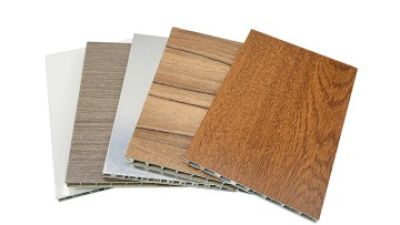
Picking the right aluminum profiling for your project can feel pretty overwhelming at times. With so many options out there, it’s easy to get a bit lost or confused. The trick is really to understand what you need most—things like durability, weight, and how you'll use it all make a big difference. Each of these factors will steer your decision in one way or another.
Experience definitely counts here. It helps to work with a trusted company like XYZ Aluminum Solutions—they know their stuff when it comes to custom designs and specific needs. That way, you’re more likely to find the perfect match for your project. And don’t forget about the little details—things like the finish quality and load capacity matter more than you might think. They can influence how everything looks and how well it performs.
Making hasty decisions or skipping research can cost you a lot in the long run. So, take your time, weigh your options carefully, and really think about what’s most important. Doing your homework means you'll end up with Aluminum Profiling that’s not just good enough but actually fits your needs perfectly—something that’s reliable and of good quality, from start to finish.
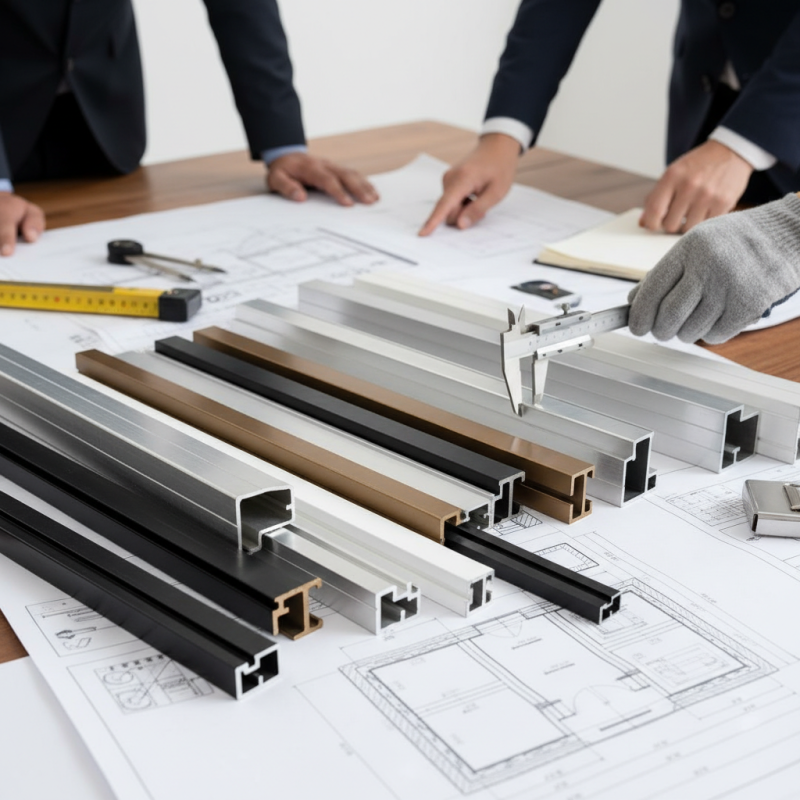
Understanding the Basics of Aluminum Profiling and Its Applications
Aluminum profiling is essential in various industries. Understanding its basics helps you make informed choices. Aluminum Profiles come in different shapes and sizes. They can be customized to meet specific needs, whether for construction or manufacturing. Often, they are lightweight and resistant to corrosion. This combination makes them popular in many applications.
The importance of choosing the right profile cannot be overstated. Specific projects may require more strength or flexibility. In some cases, the thickness of the aluminum matters significantly. Assessing your project’s demands is crucial. Consider factors such as load-bearing capacity and design specifications. When you opt for OEM Aluminum Profiling, you have the advantage of tailored solutions. However, not all manufacturers deliver the same quality. Researching and comparing different suppliers can help. Don't rush this process, as it directly impacts your project's success.
In everyday use, aluminum profiles are often taken for granted. Their presence in our buildings and products may be unnoticed. Yet, impacts can vary drastically due to manufacturing differences. Small inconsistencies in design or material quality can lead to failures. Therefore, being diligent in selecting the right profiling is vital. Not every option is suitable for every application. Understanding the basics allows for better decision-making.
Key Factors to Consider When Selecting Aluminum Profiles
Choosing the right aluminum profiling requires careful consideration of several key factors. First, assess the intended application of the aluminum profiles. Are they for structural purposes or aesthetic designs? This determination can significantly influence your choice. Each application has unique requirements, impacting the thickness, finish, and strength of the profiles.
Another important aspect is the environmental conditions the profiles will face. Will they be exposed to extreme temperatures or corrosive elements? Ensure that the aluminum is suitable for these environments. Some profiles may need additional coatings or treatments for durability.
Tip: Test samples before making a bulk purchase. This can save you from costly mistakes and provide insights into how the profiles perform in real-world settings.
Lastly, consider the manufacturing processes involved. Different methods, like extrusion or die casting, can affect the profile’s final characteristics. Inspecting the supplier’s expertise and technical capabilities is crucial. A reliable supplier can offer valuable guidance and support.
Tip: Ask for certifications to ensure quality standards are met. Verification adds an extra layer of confidence to your selection.
Evaluating the Strength and Weight Requirements for Your Project
When selecting aluminum profiling, understanding strength and weight requirements is crucial. Aluminum's strength-to-weight ratio makes it ideal for many applications. According to industry reports, aluminum has a tensile strength of around 70 MPa to 700 MPa depending on the alloy. This range allows for flexibility in design, but choosing the right alloy is essential. A common choice in construction and manufacturing is 6061 aluminum, which offers excellent corrosion resistance and good mechanical properties.
Weight considerations also play a significant role in project planning. For instance, structures that require high strength but low weight, such as in aerospace, often benefit from specific alloys. The weight of aluminum also affects handling and transport. A lower weight can reduce overall costs in logistics. In fact, reducing weight by just 10% can lead to savings of 2-5% in fuel costs, especially in transportation-heavy industries. However, it’s essential to account for the specific load conditions your project will face. Miscalculating weight can lead to structural failures, which carry significant financial and safety risks.
In the realm of **China Aluminum Profiling**, projects often consider local supply chains and manufacturing capabilities. Often, purchasing locally sourced materials can lower costs and improve consistency. Yet, this can sometimes lead to compromises in quality if not approached carefully. Balancing strength, weight, and sourcing is a delicate task that demands thorough analysis and sometimes trial and error in material selection.
How to Choose the Right Aluminum Profiling for Your Needs? - Evaluating the Strength and Weight Requirements for Your Project
| Profile Type | Material Strength (MPa) | Weight (kg/m) | Typical Applications |
| Profile A | 200 | 1.5 | Structural frames, Supports |
| Profile B | 250 | 2.0 | Machinery components, Brackets |
| Profile C | 300 | 1.0 | Automotive parts, Lightweight structures |
| Profile D | 275 | 1.8 | Furniture, Decorative elements |
| Profile E | 220 | 1.2 | Enclosures, Racks |
Assessing the Cost-effectiveness of Different Aluminum Profiling Options
Choosing the right aluminum profiling requires careful consideration of cost-effectiveness. The market offers various options, each with its own price point and quality. Understanding these differences is crucial for making a wise investment. Evaluating factors such as structural integrity and durability can guide you toward the best choice.
One must consider the long-term costs of aluminum profiling. Cheaper options may save money upfront but could lead to higher maintenance and replacement costs later. Look for profiling that offers both strength and lightweight properties. Balancing these factors ensures you don’t compromise on quality.
In terms of sustainability, some aluminum profiles can be more eco-friendly. Choosing recycled materials can reduce your environmental footprint. It’s a cost-effective choice that supports the green movement. However, assessing the availability and sourcing of such materials can be tricky. Not every supplier will have that option readily available, so research remains necessary.
Analyzing the Impact of Surface Treatments on Aluminum Profiles
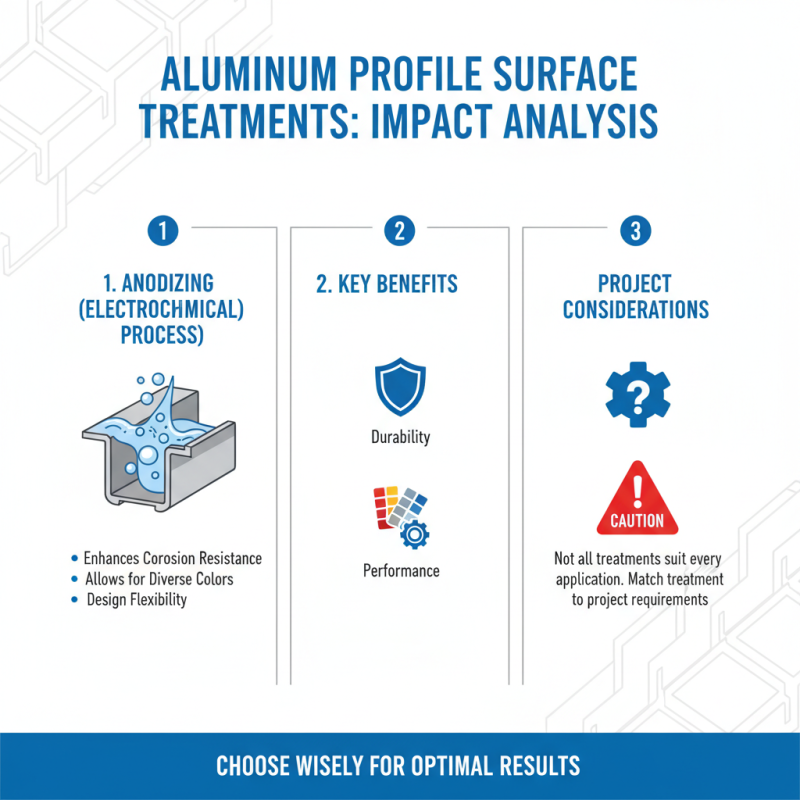
When selecting aluminum profiles, surface treatments play a crucial role. These treatments affect durability, aesthetics, and performance. Anodizing is one popular method. This electrochemical process enhances corrosion resistance. It also allows for various colors, giving designers flexibility. However, it’s essential to consider the specific requirements of your project. Not all surface treatments suit every application.
Tips for choosing the right surface treatment:
- Assess the environmental conditions. Will the profiles face harsh weather or chemicals?
- Consider the desired aesthetic. A polished surface can elevate your design's appeal.
- Evaluate cost versus performance. Sometimes, a more affordable option may not provide adequate protection.
Powder coating is another option. It offers a thick, protective layer and can be customized in many colors. Yet, it may not be suitable for high-heat applications. Understanding these nuances is vital. Experimentation may be necessary to find the best fit.
Reflect on your long-term needs. Will the profile endure in the chosen environment? Not taking time to analyze risks might lead to costly mistakes. Use online resources and Aluminum Profiling Quotes for informed decisions.
Industry Standards and Certifications for Aluminum Products
When selecting aluminum profiling, understanding industry standards and certifications is crucial. These guidelines ensure the quality and safety of aluminum products. Look for certifications such as ISO, ASTM, or EN standards. They guarantee that the profiles meet specific performance criteria for strength, durability, and corrosion resistance.
Tips: Always verify the specific standards applicable to your project. Each industry may require different certifications. For example, aerospace applications demand stricter compliance compared to general construction.
Consider the origin of the aluminum profiles as well. Profiles sourced from regions with robust regulatory frameworks tend to uphold higher quality standards. This can prevent issues during production and installation.
Tips: Check for traceability in your aluminum profiling supplier. A transparent supply chain helps in assessing the quality of materials used. It can be an indicator of a supplier's reliability. If the supplier lacks certifications, reconsider your options. Standards are there for a reason.
Exploring Customization Options for Specific Technical Needs
When choosing Custom Aluminum Profiling, considering unique technical needs is essential. Different industries may require specific properties like weight, strength, or corrosion resistance. The aluminum industry has experienced growth, with forecasts indicating a rise in demand by over 5% annually through 2025. This highlights the increasing importance of customization.
Customization allows for unique designs tailored to applications, from aerospace to automotive. Certain sectors may need profiles that withstand extreme temperatures or heavy loads. Hence, the choice of aluminum alloys becomes crucial. Choosing the right alloy can enhance durability and performance, while the wrong selection may lead to structural issues.
Tip: Identify your specific requirements before reaching out to a supplier. Measure dimensions accurately and clarify your project's intent.
Another consideration is the surface finish. Anodizing, powder coating, or natural finishes can impact aesthetics and performance. Understanding these options can help avoid issues during fabrication. Sometimes, manufacturers might not offer what you need, so exploring alternatives is beneficial.
Tip: Don’t hesitate to ask for samples. Testing a profile can prevent costly mistakes in production.
Innovative Aluminum Honeycomb Panels: The Ultimate Solution for Modern Interior Renovation and Construction
Innovative aluminum honeycomb panels are revolutionizing modern interior renovation and construction projects. Designed with a unique honeycomb structure, these panels consist of two aluminum sheets enclosing a durable honeycomb aluminum core. This configuration not only provides exceptional strength but also ensures remarkable lightweight properties. Whether utilized in aerospace, architectural design, or transportation, the versatility of aluminum honeycomb panels makes them an ideal choice for various applications, including aircraft interiors, wall cladding, and furniture decoration.
One of the standout features of aluminum honeycomb panels is their superior performance in various environmental conditions. They boast excellent impact and corrosion resistance, which are critical in maintaining aesthetics and functionality over time. Additionally, these panels offer outstanding sound and thermal insulation, fireproofing capabilities, and waterproof properties, making them perfect for modern interior spaces. Moreover, their fully recyclable nature aligns well with today’s sustainable construction practices, contributing to eco-friendly building initiatives. Available in customizable sizes, thicknesses, and colors, aluminum honeycomb panels can perfectly match the design requirements of any project, making them the ultimate solution for innovative construction endeavors.
FAQS
: Assess the intended application, such as structural or aesthetic needs. Each has unique requirements.
Profiles may face extreme temperatures or corrosive elements. Choose aluminum suitable for these environments.
Testing samples helps avoid costly mistakes and shows how profiles perform in real-world conditions.
Methods like extrusion or die casting affect the profiles' characteristics. Supplier expertise matters for quality.
Identify specific requirements, like weight or strength, before contacting a supplier. Measure dimensions accurately.
It allows for tailored designs, enhancing performance in various industries like aerospace and automotive.
Finishes like anodizing or powder coating influence aesthetics and performance. Explore your options carefully.
Don't hesitate to ask for alternatives. Exploring options can lead to better solutions for your project.
Yes, the wrong alloy may lead to structural problems. Selecting the right one is crucial for durability.
Request certifications from suppliers. Verification adds confidence in your aluminum profile selection.
Conclusion
Choosing the right aluminum profiling involves a comprehensive understanding of its fundamental concepts and applications. It's essential to consider key factors such as strength, weight requirements, and cost-effectiveness when selecting aluminum profiles for your specific project. Evaluating the various aluminum profiling options not only helps in meeting technical specifications but also aligns with your budget constraints.
Additionally, assessing the impact of surface treatments is crucial, as these can enhance the durability and aesthetics of the profiles. Familiarity with industry standards and certifications is vital to ensure compliance and quality. Lastly, exploring customization options might be necessary to meet unique technical needs, making aluminum profiling a versatile choice for a wide range of applications.