You know, Extruded Aluminum has really become a pretty essential material across a bunch of industries these days. People love it because it’s strong, flexible, and lightweight all at once. I came across a recent report from the Aluminum Association — and apparently, the demand for extruded aluminum is expected to grow around 8% each year over the next five years. Industries like automotive, construction, and aerospace are actually leaning on this stuff a lot more now, finding new ways to use it for some pretty innovative projects.
Mark Robinson from Precision Extrusions hit the nail on the head when he said, “The flexibility of extruded aluminum makes it perfect for today’s modern projects.” Companies are taking advantage of its special traits to craft custom profiles that fit their specific design needs. This kind of flexibility can really boost efficiency and even save some cash. But, and here’s the thing—despite all its benefits, there are still some hurdles when it comes to incorporating Aluminum Extruded parts into certain projects. It’s super important to do proper engineering and planning to avoid any potential issues.
As industries keep evolving, it looks like extruded aluminum is only going to play an even bigger role. It’s a good idea to stay in the loop about the manufacturing side of things, because understanding those processes can make all the difference. While the advantages are pretty obvious, taking the time to really understand the project and plan ahead is key to getting the best results.

Extruded Aluminum is renowned for its structural integrity and strength, making it a premier choice for various applications. Studies show that it has a strength-to-weight ratio that outperforms many traditional materials, which enhances its appeal in construction and manufacturing. For instance, a report from the Aluminum Association highlights that extruded aluminum can enhance load-bearing capabilities while minimizing overall weight. This unique combination leads to better energy efficiency and reduced material waste.
When considering Extruded Aluminum for your next project, think about the design flexibility it offers. Due to its manufacturing process, you can achieve complex shapes that meet specific design criteria without compromising strength. This is particularly beneficial in architectural applications, where aesthetics and functionality go hand in hand. A common oversight is underestimating the tooling costs associated with custom extrusions. However, these initial investments can lead to long-term savings in energy and maintenance.
Tip: Engage with a knowledgeable supplier who understands the nuances of Extruded Aluminum. They can provide insights tailored to your project needs. Furthermore, keep an eye on industry regulations, as standards may evolve. Remember, structural integrity is paramount, so even minor overlooked details can have significant consequences. Consider a thorough review process to identify potential pitfalls in your designs.
Extruded aluminum is becoming a preferred choice in various manufacturing processes due to its cost efficiency. According to industry reports, the use of extruded aluminum can reduce production costs by up to 30%. This significant reduction is largely due to its lightweight nature and ease of shaping, which minimizes waste during production. Companies save both material costs and time, enhancing overall productivity.
Moreover, extruded aluminum offers a range of customization options that cater to different project needs. With the ability to create complex shapes, businesses can avoid additional machining processes. Research indicates that utilizing these unique geometries can improve structural integrity while maintaining lower overall costs. However, some manufacturers still face challenges in balancing quality and cost-efficiency. It’s essential to use reliable processes to avoid defects that may arise from improper handling.
Investing in extruded aluminum not only cuts costs but also provides durability. Studies show that aluminum extrusions can last for decades, making them a sustainable option. However, the initial investment and tooling costs can be a concern for smaller companies. Analyzing long-term cost impacts is crucial before making decisions. Each project has its own set of challenges, but the potential benefits of using extruded aluminum are undeniably significant.
Extruded aluminum offers remarkable customization options and design flexibility. This material can be shaped into a range of profiles, enabling architects and engineers to realize unique project visions. Whether for structural support or aesthetic elements, Extruded Aluminum Profiles can fit diverse requirements.
One key benefit of using extruded aluminum is its adaptability. The manufacturing process allows for intricate designs that might otherwise be challenging. You can choose from various thicknesses, shapes, and finishes. This diversity means projects can be tailored specifically to needs. However, while customization is a strength, it may also lead to some complications. Designers must carefully consider every detail to avoid unexpected challenges during implementation.
Additionally, the lightweight nature of extruded aluminum profiles enhances its practical use. This factor allows for easier transportation and installation, making it a preferred choice in several industries. Despite its advantages, designers sometimes overlook the importance of proper handling. If not managed well, the advantages might be counteracted by potential issues during assembly. Emphasizing the planning stage is essential for anyone working with this versatile material.
Extruded aluminum is gaining attention for its unique sustainability features. This material is often made from recycled aluminum, which reduces the need for mining. The recycling process uses less energy compared to producing new aluminum. Interestingly, about 75% of aluminum produced is still in use today. This statistic underscores the long life cycle of extruded aluminum.
Moreover, Extruded Aluminum Shapes can be fully recycled without losing quality. This property is crucial for reducing waste in construction and manufacturing projects. The lightweight nature of the material also contributes to lower transportation emissions. It can be reused in various applications, from architecture to automotive parts. However, despite its many benefits, not all recycling processes are efficient. Streamlining these operations remains a challenge.
It's essential to acknowledge that while aluminum is recyclable, the process requires energy. Some might overlook the fact that extraction and recycling can have environmental impacts. Planning for sustainability is not just about choosing materials. It involves assessing the entire lifecycle of them. This realization is essential for those considering extruded aluminum for their next projects.
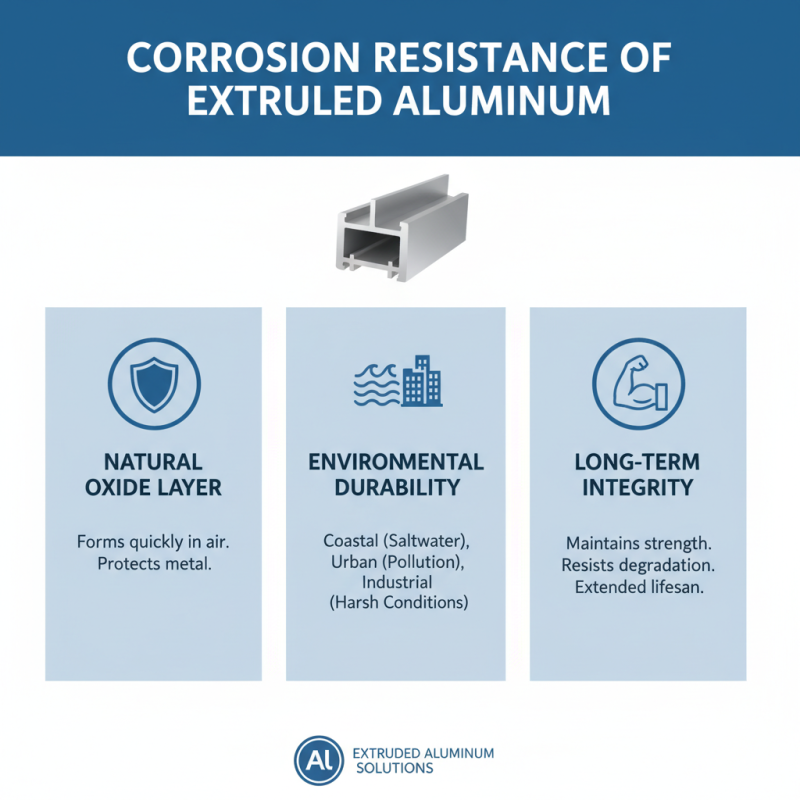
Extruded aluminum offers excellent corrosion resistance in various environments. Its natural oxide layer forms quickly upon exposure to air. This layer protects the metal from elements that typically cause corrosion. Whether in coastal settings with saltwater or urban environments with pollution, extruded aluminum maintains its integrity well. Even in harsh conditions, it shows remarkable durability.
However, not all environments treat aluminum equally. In acidic or alkaline conditions, corrosion risk increases. Regular maintenance can help mitigate these risks. The benefits of extruded aluminum can diminish if not cared for properly. Users must be aware of their specific environment and adjust their protective measures accordingly.
Beyond corrosion resistance, extruded aluminum is lightweight yet strong. This combination makes it a top choice for many projects, from architectural designs to industrial applications. Its versatility allows for innovative designs without compromising strength. Nonetheless, the initial cost may seem higher than alternatives. Therefore, it’s essential to weigh long-term benefits against the upfront investment. Proper knowledge and planning ensure that extruded aluminum remains a reliable choice in varying conditions.
Extruded aluminum is celebrated for its exceptional weight-to-strength ratio. Reports indicate that this material can be up to three times stronger than steel while remaining lightweight. This unique combination of properties makes extruded aluminum ideal for various applications, from aerospace to automotive. Anodized Extruded Aluminum, in particular, offers enhanced durability and resistance to corrosion, making it suitable for outdoor structures and components that face harsh environments.
When considering your project, think about the specific demands it entails. Ensure that the extruded aluminum meets the required mechanical properties. Research shows that the yield strength of extruded aluminum can range from 40,000 psi to over 100,000 psi depending on its alloy. This residual strength allows for structural integrity in applications where weight reduction is vital.
Tip: Always evaluate the environmental conditions your aluminum product will face. High temperatures, humidity, or chemical exposure can affect its performance. Pay attention to your fabrication process as well. Proper handling and cutting can prevent defects that lead to costly rework later. Choosing anodized extruded aluminum can enhance longevity, but understanding your project’s needs is crucial for optimal results.
Extruded aluminum offers impressive thermal and electrical conductivity. Its thermal conductivity ranges from 150 to 200 W/(m·K), making it ideal for applications needing efficient heat dissipation. When compared to other materials, aluminum performs well in scenarios where temperature management is critical. This property is essential in industries like automotive and electronics, where overheating can harm components.
Electrical conductivity is another noteworthy aspect. Extruded aluminum has a conductivity level of about 60% that of copper. This attribute makes it valuable for electrical applications. Due to its lightweight nature, aluminum reduces overall system weight while maintaining performance. The lower density of aluminum is particularly beneficial in aerospace applications, minimizing fuel consumption and enhancing efficiency.
Tip: When considering thermal management in designs, prioritize aluminum for effective heat distribution. Understanding the nuances of conductivity properties ensures optimal results in projects. While aluminum is effective, sometimes it may need additional layers for enhanced insulation in specific environments. Being informed about material properties can prevent potential challenges down the line.
: Extruded aluminum offers excellent strength-to-weight ratio and structural integrity, making it ideal for construction and manufacturing.
It allows for complex shapes without sacrificing strength, beneficial for architectural applications needing both aesthetics and functionality.
Tooling costs can be overlooked but investing in custom extrusions may lead to long-term savings in energy and maintenance.
Its natural oxide layer protects against corrosion in various environments, including coastal and urban settings, but maintenance is crucial.
Yes, in acidic or alkaline environments, corrosion risks increase, requiring users to adjust their protective measures carefully.
It has thermal conductivity between 150 to 200 W/(m·K) and an electrical conductivity about 60% that of copper, ideal for heat management.
Its lightweight nature benefits industries like aerospace, reducing overall system weight and enhancing fuel efficiency.
Prioritize aluminum for effective heat distribution, but sometimes additional insulation layers are necessary for specific environments.
The initial cost may be higher compared to alternatives, but weighing long-term benefits can offer better insight.
Knowing the properties can prevent challenges and ensure optimal performance in various project applications.
Extruded aluminum offers a multitude of benefits for various projects, making it a preferred choice in numerous industries. Its structural integrity and strength ensure that projects can withstand substantial loads and stresses, while the cost efficiency of the manufacturing process helps to keep budgets under control. The customization options and design flexibility provided by extruded aluminum allow for innovative and bespoke solutions tailored to specific requirements.
Furthermore, extruded aluminum is an environmentally friendly choice due to its sustainability and recyclability, promoting a circular economy. Its excellent corrosion resistance makes it suitable for diverse environments, while the favorable weight-to-strength ratio ensures that it remains lightweight yet robust for a variety of applications. Additionally, extruded aluminum exhibits impressive thermal and electrical conductivity properties, enhancing its usability in electrical and thermal management solutions. Overall, extruded aluminum stands out as an ideal material for modern construction and manufacturing projects.