Leave Your Message
Lately, you’ve probably noticed that the construction and manufacturing worlds are really shifting toward using new, innovative materials that are both versatile and practical. One of the big stars in this space is Alu Profiles. These little guys are super popular because they’re lightweight but still pretty tough — perfect for all sorts of projects. In this guide, I want to dive into the many ways you can use Alu Profiles and the latest innovations surrounding them. Honestly, they have the potential to totally change the game, whether you’re into modular building, custom furniture, or even DIY projects.
As we go along, I’ll point out some of the biggest perks these profiles offer—things like resisting rust, being easy to work with, and how they look just right in different designs. Plus, I’ll toss in some handy tips so you can get the most out of Alu Profiles without breaking the bank. Whether you’re an architect, a builder, or just someone who loves tinkering in your garage, understanding what these profiles can do will help you craft stuff that’s both efficient and sustainable. So, stick around as we explore how Alu Profiles are really shaking things up in today’s fast-moving market.

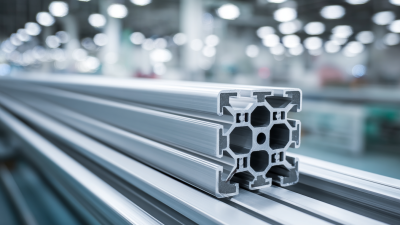
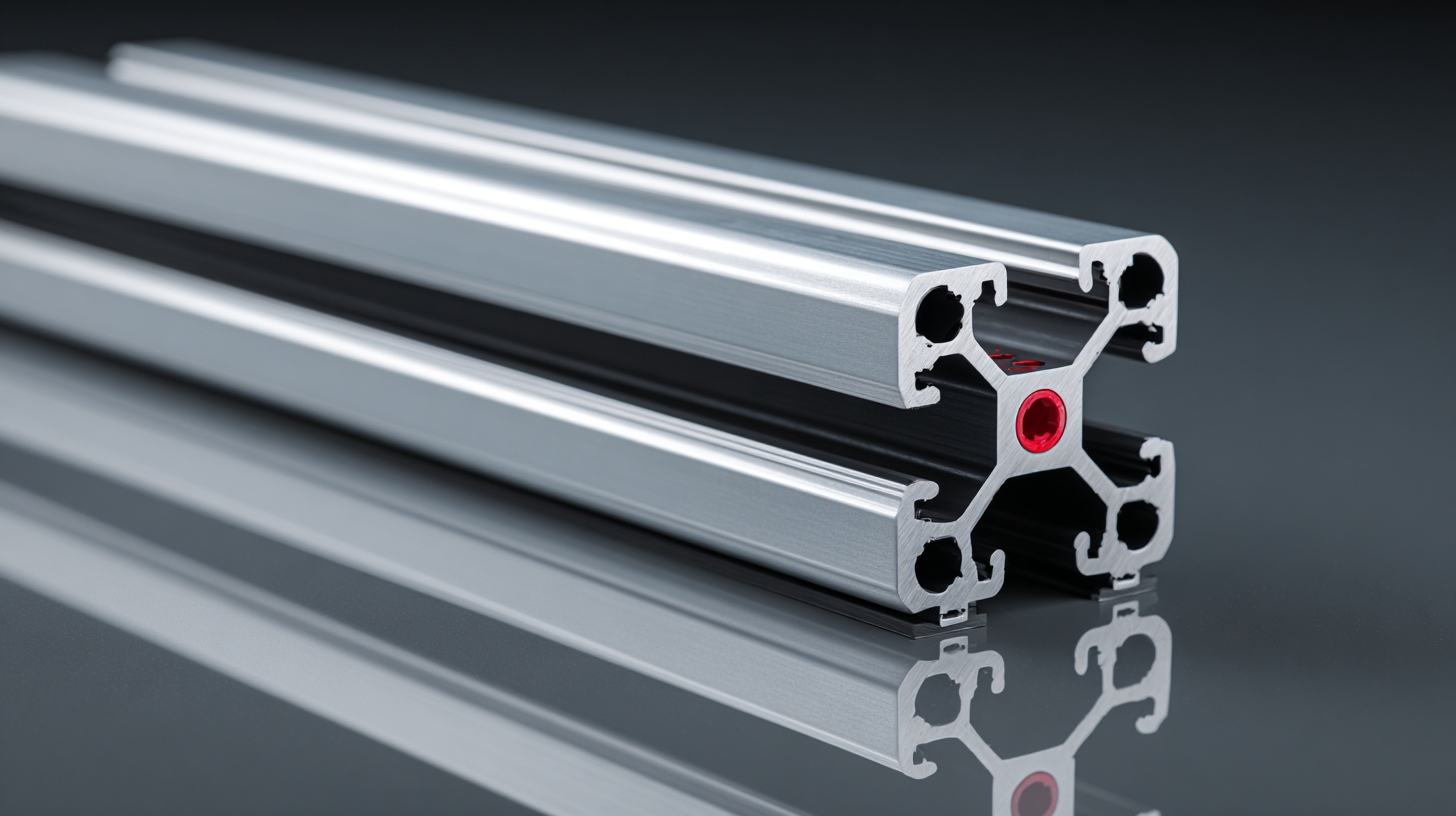
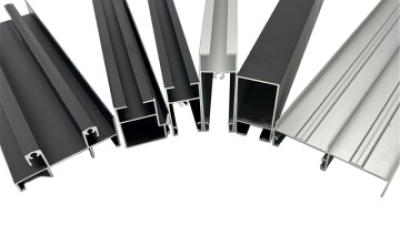
Alu profiles are pretty awesome—they’re lightweight but surprisingly strong, and you can find them in all sorts of types for a bunch of different uses across various industries. The most common ones folks see are standard, custom, and structural profiles, each serving its own purpose. For example, standard profiles usually come in shapes like L, T, or U, and they’re often used for framing and supporting structures. If you need something more tailored, custom profiles are the way to go—they’re made to fit specific project needs, giving designers and manufacturers a lot of flexibility. Then there are the structural profiles, which are built tough for heavy-duty jobs, offering the durability and strength you need for load-bearing setups.
What’s cool about alu profiles is how versatile they are. They resist corrosion really well and handle heat transfer nicely, so you’re good to go whether it’s indoors or outside. Plus, they’re super easy to shape and work with, which means quick assembly and smooth integration into all sorts of systems—no sweat. And if you’re looking to make things look nice and last longer, anodizing can give them a sleek finish that also boosts their durability. All this makes alu profiles a top choice for architects, engineers, and designers working on everything from buildings to creative projects.
The growth of Peru's aluminium profile market, particularly for the 6000 series used in windows and doors, showcases a robust opportunity for manufacturers and suppliers. According to recent industry reports, the demand for high-quality aluminium profiles has been driven by the increasing construction activities in urban areas and a rising preference for durable and energy-efficient building materials. Notably, the 6000 series, known for its excellent corrosion resistance and workability, is becoming the preferred choice for architects and builders in Peru.
ONEALU Aluminium, a specialized Chinese manufacturing enterprise, has firmly positioned itself in this promising market. With years of experience exporting to South America, particularly Peru, we provide a comprehensive assortment of aluminium window and door profiles. Complying with the ISO9001 quality control system ensures that our extrusions meet the highest standards. Our product range includes popular finishes such as powder-coated white, anodized matte silver, and anodized matte black, alongside customizable choices tailored to our clients' specific design requirements.
Moreover, the data indicates that the Peruvian aluminium profile market is expected to grow steadily, thanks to favorable government initiatives aimed at promoting sustainable building practices. As key players in the aluminium supply chain, we offer valuable insights and dedicated assistance in the importing process, ensuring that customers receive materials that not only meet regulatory standards but also align with the latest trends in the construction industry.
lu profiles?
Alu profiles are known for their lightweight, excellent corrosion resistance, and thermal conductivity, making them suitable for both indoor and outdoor use. Their easy fabrication allows for quick assembly and integration, enhancing their appeal across numerous industries.
The global aluminum profiles and accessories market is projected to grow from USD 56.39 billion in 2024 to approximately USD 123.44 billion by 2034, indicating strong demand driven by the material's lightweight, durability, and sustainability benefits.
Alu profiles are widely used in various industries, including automotive, aerospace, and construction, due to their lightweight and durable characteristics which align with modern engineering needs.
Innovations include advancements in manufacturing techniques, a shift toward smart manufacturing, and increased customization possibilities through digital technologies like 3D printing and AI-driven design software, which enhance production efficiency and reduce waste.
Custom Alu profiles can be tailored to specific project requirements, potentially reducing material waste by up to 30%, making them a cost-effective and sustainable choice for various applications.
The global aluminum extrusion market is projected to reach $70 billion by 2025, with an annual growth rate of 6.4%, driven by increased application across sectors like automotive, construction, and aerospace.
Important factors to consider include the specific requirements of the application, the alloy type, and surface treatment, as these significantly impact the performance and longevity of the profiles.
Anodization can enhance both the aesthetics and the longevity of Alu profiles, making them a desirable choice for architectural and design applications.
Companies are increasingly investing in research and development to enhance the performance of Alu profiles, focusing on energy efficiency and structural integrity to meet evolving industry demands.
Hey, I recently read this article called "Exploring the Versatility of Alu Profiles: A Complete Guide to Their Uses and Innovation." Honestly, it offers a pretty thorough look into all the different ways you can use Alu Profiles and what makes them special. It kicks off with an overview of the various types of aluminum profiles out there and their unique traits — stuff that’s super important in industries like construction, manufacturing, and more. Then, it shifts gears to show how these profiles are being used in some really cool modern applications, boosting both how things look and work.
On top of that, the article walks you through designing with Alu Profiles step-by-step. It shares handy tips and creative ideas to get the most out of them. Sustainability? That's also a big focus. There’s some interesting info about eco-friendly manufacturing practices related to these profiles. And, of course, it looks ahead to future trends, emphasizing how aluminum profiles are becoming more and more essential in a world that's constantly changing. Oh, and by the way, Foshan City One Alu Aluminum Co., Ltd. is highlighted for having tons of experience and a wide range of products — they’re definitely ready to handle whatever comes next in this fast-moving market.