In the world of construction and design, picking the right materials really makes all the difference for a project’s success. Among all the options out there, Aluminum Profiles have become pretty popular lately. They’re lightweight, durable, and super versatile — which kind of makes them a go-to choice. As John Smith, an engineering consultant at Innovative Structures, puts it, “Choosing the right Aluminum Profile can really boost both how your design looks and how well it works.” That just shows how important it is to understand the ins and outs of Aluminum Profiles before deciding which one to go with.
When you’re kicking off a project – whether it’s a commercial building, a cozy home, or even industrial stuff – it’s so crucial to get a clear picture of what’s needed and what hurdles might pop up. Aluminum Profiles come in all sorts of shapes and sizes, so they can be used for everything from framing and support beams to fancy decorative touches. By exploring the different types out there, designers and project managers can make smarter choices that fit their goals and budget.
In the end, choosing the right Aluminum Profile isn’t just about picking a material—it’s a strategic move that can really influence how long your project lasts and how well it performs. Getting to know the nuances of these profiles adds extra value and a touch of innovation to any construction project. It’s all about setting yourself up for a successful, long-lasting build, right from the start.

Understanding Aluminum Profiles: Types and Specifications
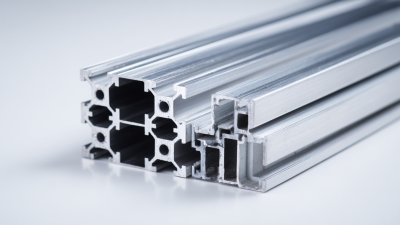
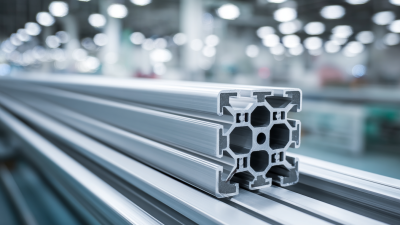
Aluminum profiles come in various types and specifications, each suited to distinct applications across industries. The most common types include structural, decorative, and custom profiles, characterized by their unique shapes and dimensions. Structural aluminum profiles are designed for strength and stability, often used in construction and manufacturing. Decorative profiles, on the other hand, focus on aesthetics, commonly found in interior design and architectural applications. Custom profiles can be tailored to specific project requirements, accommodating advanced engineering needs. According to a report by Grand View Research, the global aluminum profile market was valued at approximately $65 billion in 2022 and is expected to witness a compound annual growth rate (CAGR) of 5.5% from 2023 to 2030, reflecting the growing demand for lightweight and durable materials.
Understanding the specifications of aluminum profiles is crucial for selecting the right type for any project. Key specifications include alloy composition, cross-sectional shape, and surface treatment. Aluminum Alloys are categorized into series based on their main alloying elements and properties, such as strength, corrosion resistance, and weldability. The most commonly used series are 6061, known for its versatility and good mechanical properties, and 6063, preferred for architectural applications due to its excellent finishing characteristics. Additionally, surface treatments like anodizing and powder coating enhance durability and aesthetics, contributing to the longevity and appeal of the profiles. With the growing emphasis on sustainable building practices, choosing the appropriate aluminum profile not only fulfills functional requirements but also supports environmental standards in construction and manufacturing.
Key Factors in Selecting Aluminum Profiles for Construction Projects
When selecting aluminum profiles for construction projects, there are several key factors that should be considered to ensure optimal performance and cost-efficiency. According to a report by the Aluminum Association, the construction industry consumed approximately 2.5 million tons of aluminum in 2022, highlighting the material's significance in modern building applications. First and foremost, one must evaluate the specific requirements of the project, including load-bearing capacity, thermal conductivity, and resistance to environmental factors. For instance, structural components may require alloys with higher tensile strength, while decorative elements might prioritize aesthetic qualities and finish.
Another essential factor is the sustainability of the aluminum profiles. The global aluminum market is gradually shifting towards greener practices, with recycled aluminum accounting for about 75% of the total aluminum used in the construction sector, as per the International Aluminum Institute. This not only reduces the carbon footprint of projects but also ensures compliance with increasingly stringent environmental regulations. Additionally, understanding the fabrication processes and the availability of various profile shapes can significantly impact both the timeline and the overall cost of a construction project. Engaging with suppliers who embrace innovative manufacturing techniques can lead to bespoke solutions tailored to specific architectural needs, enhancing the project's overall efficiency and sustainability.
Analyzing Load-Bearing Capacity of Aluminum Profiles in Design
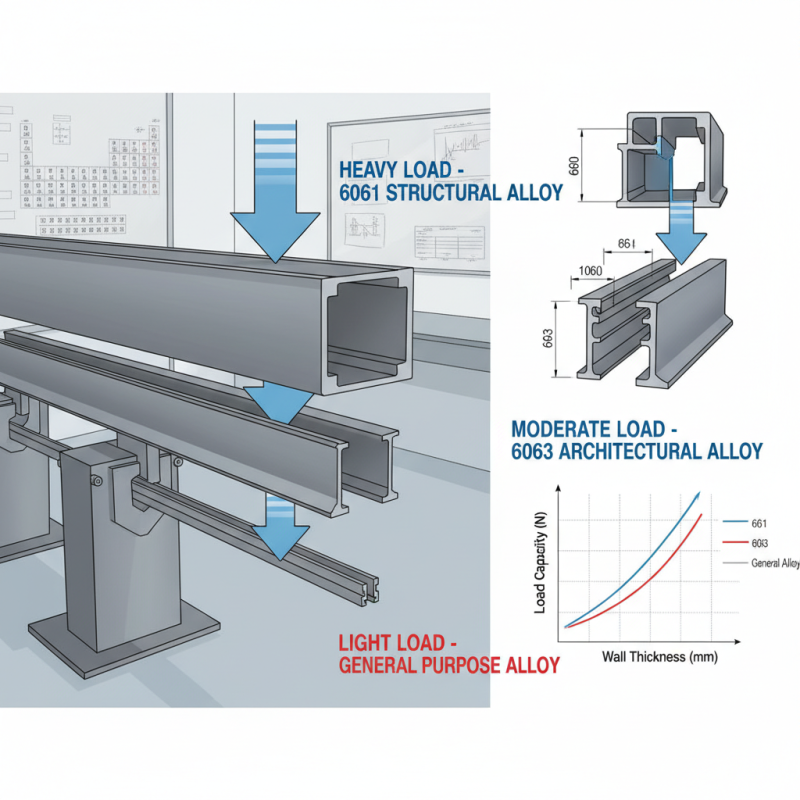
When selecting aluminum profiles for your project, analyzing their load-bearing capacity is crucial. Aluminum is celebrated for its lightweight and high strength-to-weight ratio, making it an ideal material for various applications. According to a report by the Aluminum Association, the load-bearing capacity of aluminum profiles varies significantly based on their design, wall thickness, and alloy composition. For instance, structural aluminum alloys such as 6061 and 6063 are commonly used due to their excellent mechanical properties and resilience. Understanding these factors can help you choose the most suitable profile that meets the specific demands of your design.
Tip: Always consider the environmental conditions your aluminum profile will face. Factors such as temperature fluctuations and exposure to moisture can affect load-bearing capabilities. Profile designs that minimize stress concentration points can enhance durability and performance.
Moreover, it is essential to conduct simulations or consult design software that can provide insights into the behavior of aluminum profiles under various loading conditions. Finite element analysis (FEA) tools enable engineers to predict how different profiles will perform, helping to ensure safety and reliability in real-world applications.
Tip: During the design phase, ensure that you factor in a safety margin in your calculations. A common practice in engineering is to apply a safety factor of 1.5 to 2.0, depending on the loading conditions and intended use. This approach provides an additional cushion against unexpected loads or changes in material properties over time.
The Role of Alloy Composition in Aluminum Profile Selection
When selecting the appropriate aluminum profile for your project, the composition of the alloy plays a critical role. Different alloy compositions can significantly impact the mechanical properties, corrosion resistance, and workability of the aluminum profile. For instance, alloys that contain a higher percentage of aluminum and elements like magnesium or silicon typically offer enhanced strength and durability, making them suitable for structural applications. Understanding the specific requirements of your project can guide you in choosing the right alloy to meet both performance and aesthetic goals.
Additionally, the thermal and electrical conductivity of aluminum profiles can vary based on their alloy composition. Alloys with higher purity levels are generally more conductive, which is essential in applications such as electrical wiring or heat exchangers. Furthermore, the ease of fabrication can also depend on the alloy type; some alloys are designed to be readily extrudable, while others may require specific machining processes. Therefore, paying close attention to the alloy composition not only ensures that the aluminum profile will fulfill functional requirements but also can efficiently streamline the production process.
Comparative Costs of Aluminum Profiles: Budgeting for Your Project
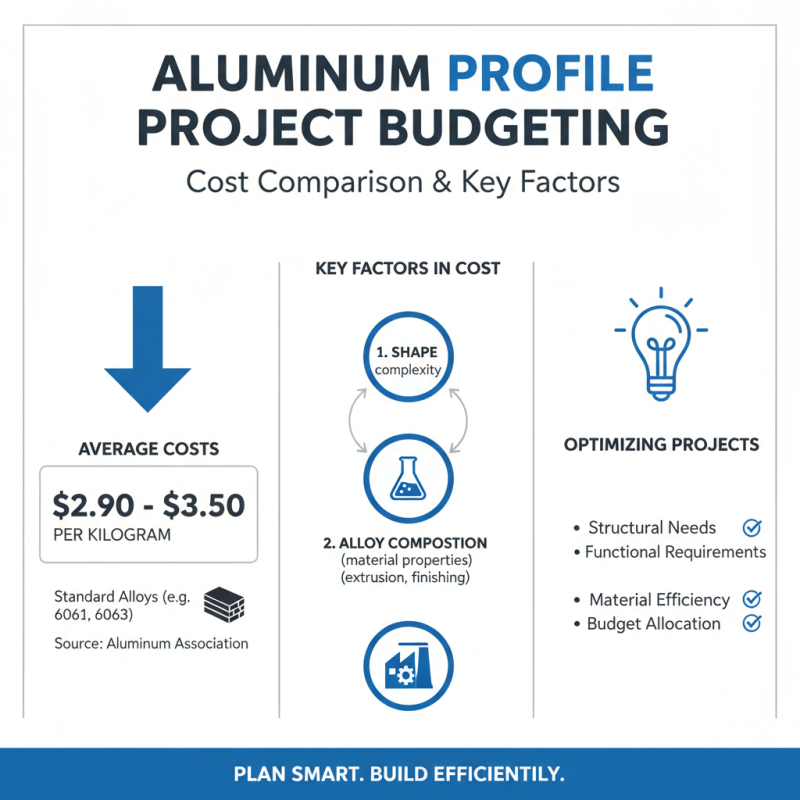
When budgeting for projects that require aluminum profiles, understanding the comparative costs associated with different types is crucial. Aluminum profiles can vary significantly in price based on their shape, alloy composition, and manufacturing process. According to the Aluminum Association, the average cost of standard aluminum alloys, such as 6061 and 6063, ranges from $2.90 to $3.50 per kilogram. This context is essential for project planners aiming to optimize cost while meeting structural and functional requirements.
In addition to raw material costs, it is essential to consider the overall lifecycle expenses of aluminum profiles. Financing decisions should account for both initial purchasing costs and long-term performance metrics. Reports from industry analysts indicate that well-chosen aluminum profiles can yield up to 30% savings in maintenance and repair costs over time compared to alternative materials. Moreover, some projects have shown that customizing aluminum profiles can reduce waste and improve efficiency, which is another factor that should be considered in the overall project budgeting. Ultimately, assessing these costs effectively requires a thorough understanding of both material properties and project specifics to ensure the selection of the right aluminum profile aligns with both performance needs and budget constraints.
Quality Standards and Certifications for Aluminum Profiles
When selecting the right aluminum profile for your project, understanding the various quality standards and certifications is essential. These standards ensure that the aluminum profiles meet specific performance, safety, and environmental criteria. Recognized certifications, such as ISO 9001 for quality management and ISO 14001 for environmental management, indicate that the manufacturer adheres to rigorous standards in both production and sustainability. Additionally, profiles conforming to ASTM or EN specifications guarantee that the materials are tested for strength, durability, and corrosion resistance, making them suitable for various applications.
Moreover, certifications like the American Architectural Manufacturers Association (AAMA) certification showcase the profile's ability to withstand the rigors of architectural use, ensuring longevity and performance in real-world conditions. It is also beneficial to check if the aluminum profiles possess any specific certifications related to fire safety or energy efficiency, depending on the project's requirements. By prioritizing these quality standards and certifications when choosing aluminum profiles, you can enhance the reliability and durability of your project while minimizing potential risks associated with substandard materials.
Future Trends in Aluminum Profiles for Sustainable Applications
As the demand for sustainable construction materials continues to grow, aluminum profiles are becoming increasingly popular due to their recyclability and lightweight properties. According to a recent report by the International Aluminium Institute, the global aluminum recycling rate is expected to reach 75% by 2025, significantly contributing to a more circular economy. This trend reflects a broader shift towards sustainable practices in the construction industry, where aluminum profiles provide not just durability but also a lower environmental footprint compared to traditional materials.
Future trends in aluminum profiles will likely focus on enhancing their eco-friendly features. Innovations such as the development of aluminum alloys that require less energy for production and new coating technologies that eliminate harmful chemicals are on the rise. The Aluminum Association predicts that advancements in manufacturing processes will not only streamline production but also reduce overall waste. By prioritizing these sustainable applications, project managers can ensure that they are not only meeting regulatory demands but also appealing to environmentally conscious consumers and stakeholders. Embracing these trends will be crucial as industries increasingly adopt sustainability as a core value for future developments.
Maximizing Efficiency and Versatility with the 6063 L Shape CNC Machining Aluminum Extrusion Profile Angle Bar
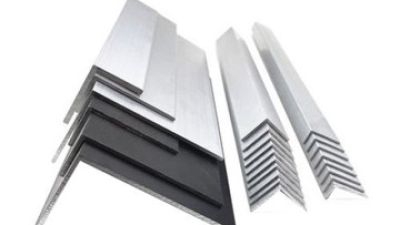
In the realm of CNC machining, the 6063 L Shape aluminum extrusion profile angle bar stands out for its ability to combine efficiency and versatility. Its unique design features two sides forming a perfect 90-degree angle, which can be crafted to have equal or varied lengths. This flexibility allows for a wide range of applications in construction, automotive, furniture, and various industrial sectors, making it an indispensable component in many projects.
The manufacturing process of L-shaped aluminum profiles is tailored to meet specific design requirements, including custom dimensions. This means that whether you need small or very small sizes, the manufacturing process can accommodate your needs. The lightweight yet durable nature of the profile enhances its usability across different applications while also ensuring structural integrity. With advancements in CNC machining techniques, the precision and quality of these angle bars are further enhanced, allowing designers and engineers to rely on them for both functional and aesthetic contributions to their projects.
FAQS
: The main types of aluminum profiles include structural profiles for strength and stability in construction and manufacturing, decorative profiles for aesthetics in interior design and architecture, and custom profiles tailored to specific project requirements.
Understanding specifications such as alloy composition, cross-sectional shape, and surface treatment is crucial for selecting the right type of aluminum profile for any project to ensure it meets functional and aesthetic needs.
The most commonly used aluminum alloys include series 6061, known for versatility and good mechanical properties, and series 6063, preferred for architectural applications due to its excellent finishing characteristics.
Sustainability is key as the aluminum market is shifting towards greener practices, with a significant portion of aluminum used in construction being recycled, which helps reduce the carbon footprint and comply with environmental regulations.
Key factors include the specific requirements of the project such as load-bearing capacity and thermal conductivity, sustainability considerations, fabrication processes, and the availability of various profile shapes.
Future trends include innovations in aluminum alloys that require less energy for production, new coating technologies that eliminate harmful chemicals, and advancements in manufacturing processes aimed at waste reduction and efficiency.
The global aluminum recycling rate is expected to reach 75% by 2025, significantly aiding a circular economy and reducing the environmental impact of production processes.
Surface treatments such as anodizing and powder coating enhance both the durability and aesthetics of aluminum profiles, contributing to their longevity and appeal in various applications.
The growing demand for lightweight and durable materials in construction and manufacturing, alongside a focus on sustainability, reflects a broader trend towards environmentally friendly building practices in the industry.
Collaborating with suppliers that use innovative manufacturing techniques can lead to bespoke solutions tailored to specific architectural needs, enhancing project efficiency and sustainability.
Conclusion
Choosing the right aluminum profile for a project involves understanding various types and specifications available in the market. Key factors include evaluating the load-bearing capacity, which is crucial for ensuring the structural integrity of designs. Additionally, the alloy composition significantly impacts performance, affecting factors like strength and corrosion resistance.
Budgeting is essential, as comparative costs of aluminum profiles can vary widely. It is also important to consider quality standards and certifications, which ensure that the profiles meet necessary safety and performance requirements. As the industry evolves, future trends highlight a growing focus on sustainable applications, making it vital for architects and engineers to stay informed about innovations in aluminum profile selection.