Picking the right OEM custom pergola for your commercial project isn't just about aesthetics — it's a pretty important decision. There's more to it than just making things look good. A well-designed pergola can really boost your outdoor space, making it both attractive and functional. Using high-quality materials is key, too, since they help your pergola stand up to the weather and last longer.
Think about what your specific project needs. For instance, how big is the area you're working with? Do you have enough room for seating? And what about the landscaping around it? These little details actually play a big role in choosing the right pergola. You want something that fits smoothly into your overall design and really complements your space.
Also, don’t forget to team up with trustworthy suppliers like Custom Pergolas Inc., especially if they’re experts in this sort of thing. Their advice can really help you make smarter decisions. Keep in mind, the best pergola balances style and practicality — it should meet your immediate needs but also hold up over time. Ultimately, investing in the right pergola can really boost your business's curb appeal and add value to your property.
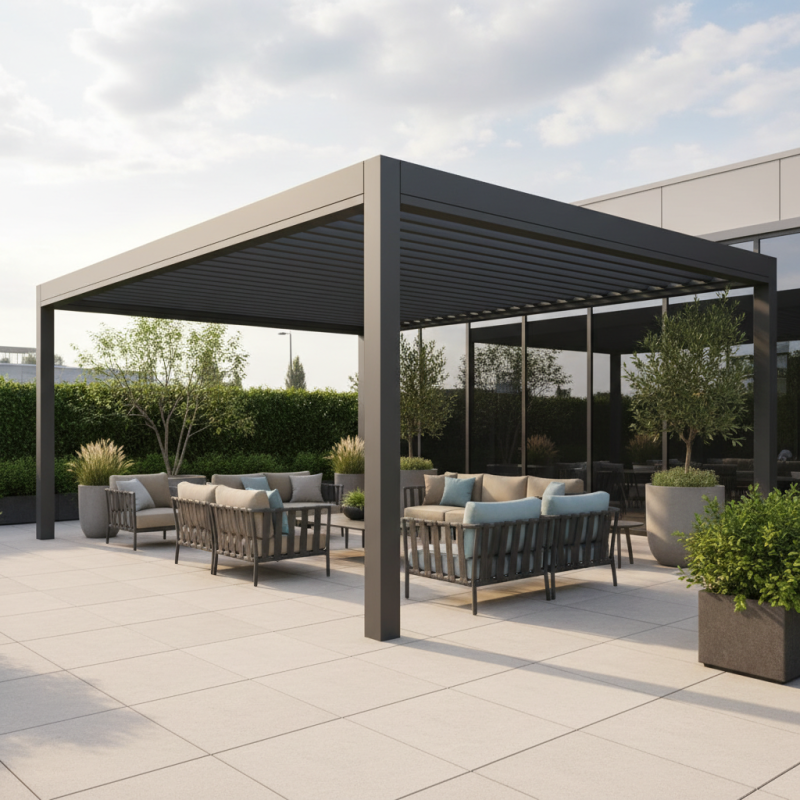
OEM custom pergolas have become essential in commercial projects, enhancing functionality and aesthetic appeal. Businesses often overlook their importance. A well-designed pergola can boost outdoor space usage by up to 50%. It creates an inviting atmosphere for customers, which is crucial for increasing foot traffic.
According to a recent industry report, 62% of commercial spaces that incorporate outdoor structures see an increase in customer engagement. This result emphasizes the need for tailored designs. Extruded Aluminum Projects offer durability that withstands various weather conditions. This material requires minimal maintenance, providing long-term value for commercial investments.
However, the selection process can be challenging. Companies might focus solely on cost, ignoring the unique needs of their space. Quality and design should not be sacrificed. Customization is vital; a one-size-fits-all approach can lead to functionality issues. Addressing specific project needs will ensure that the pergola serves its intended purpose effectively.
| Criteria | Description | Importance |
|---|---|---|
| Material Quality | Durable materials resist weathering and maintenance. | High |
| Design Flexibility | Ability to customize design to fit brand style. | Medium |
| Cost Efficiency | Affordable options that meet budget constraints. | High |
| Project Timeline | Time needed for manufacture and installation. | High |
| Sustainability | Environmentally friendly materials and practices. | Medium |
Selecting the right pergola manufacturer is crucial for any commercial project. It requires careful evaluation of various factors. First, experience and specialization of the manufacturer matter greatly. Manufacturers with a robust portfolio in OEM Extruded Aluminum Projects often provide better insight and quality assurance. Research suggests that companies with over five years in the industry typically deliver higher customer satisfaction rates, achieving up to 80% repeat business.
Quality of materials is another key factor. Pergolas made from durable materials like Aluminum provide longevity and resilience. Studies show that installations using high-grade aluminum can last over 30 years with proper maintenance. Look for manufacturers who offer a warranty on their products, as this can indicate their confidence in the quality they provide.
Tip: Always ask for samples or prototypes before making a decision. This interaction reveals a manufacturer’s attention to detail and craftsmanship.
Payment terms and lead times also play an important role. Manufacturers must offer flexible payment options and realistic timelines to ensure project efficiency. Delays can disrupt the entire schedule and add unnecessary costs.
Tip: Engage in direct communication regarding timelines; this can prevent misunderstandings later in the process.
Choosing the right manufacturer influences the project’s overall success. A thoughtful approach can make all the difference in achieving lasting results.
Choosing the right material for an OEM custom pergola in commercial projects is essential. Durability and aesthetic appeal are crucial factors. Materials such as wood, aluminum, and vinyl all have unique properties. Each option offers different benefits that can complement your project's vision and requirements.
Wood adds warmth and character. However, it requires regular maintenance to prevent decay. Treating wood with a sealant can enhance its lifespan, but it may not be suitable for all climates. For a more modern look, aluminum is a lightweight alternative. It resists rust and corrosion, making it low-maintenance. Yet, it can lack the natural charm of wood.
Vinyl is another popular choice. It offers great durability and is easy to clean. However, the color options may be limited compared to wood. When selecting a material, think about the overall design and function. Ensure it aligns with your brand’s image.
Tips: Consider the local climate when choosing materials. Some are better suited for high humidity or extreme temperatures. Research local suppliers for quality assurance. Always ask for samples to visualize how they will look in your project.
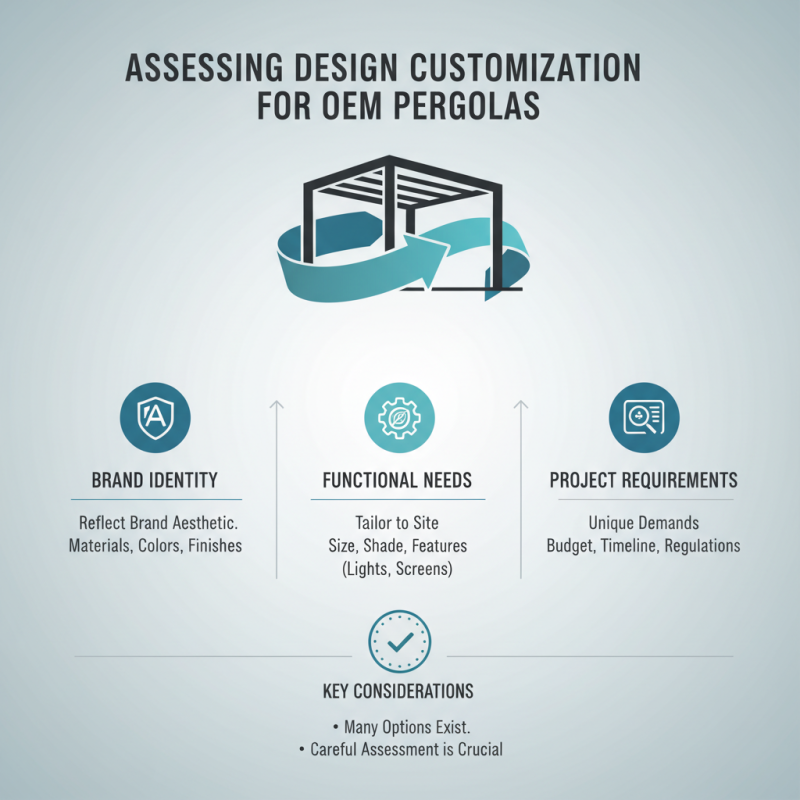
When selecting an OEM custom pergola for commercial projects, design customization is crucial. The structure must reflect your brand's identity while meeting functional needs. Many options exist, but each project has unique requirements. Therefore, assessing these options demands careful consideration.
Tips: Consider the pergola's size, materials, and color scheme to ensure it complements your space. Sometimes, manufacturers offer a range of customizable features. Engage with them to explore how tailored dimensions or finishes can enhance your project.
Another important aspect is the integration of technology. For instance, lighting systems can add ambiance and control. However, this addition must align with your design vision. Evaluate electrical requirements and potential maintenance issues thoroughly. It’s easy to overlook these details, yet they can impact your project in the long run.
Don't forget about local regulations and climate considerations. These factors influence materials and design methods. Ignoring them can lead to project delays or compliance issues. Engage with local experts to gain insights into best practices and potential challenges. Customization should enhance your vision while remaining practical. Balancing creativity with functionality is key.
When choosing an OEM custom pergola for commercial projects, analyzing cost-benefit ratios is crucial. Different pergola designs come with various features that can significantly impact your budget. Take materials, for instance. High-quality materials like aluminum may cost more upfront but offer durability and lower maintenance in the long run. Evaluating these aspects can lead to better investment decisions.
Consider the functionality of each design. Some pergolas provide shade, while others enhance aesthetic appeal. Customizing a pergola to fit specific needs might incur additional costs. However, features like integrated lighting or retractable roofs could offer added value. For China Extruded Aluminum Projects, the choice of design should also reflect local climate conditions.
Cost analysis should not only focus on initial expenses. Over time, the right pergola can increase space utilization and customer satisfaction. Reflecting on past projects may reveal that cheaper options often lead to higher long-term costs due to repairs or replacements. Weighing these factors helps ensure that the pergola chosen aligns with both budget constraints and functional requirements.
When selecting a custom pergola for commercial projects, understanding local building codes is crucial. Compliance with these regulations ensures safety and functionality. A report by the International Code Council highlights that 40% of construction projects face delays due to code violations. Such delays can significantly increase costs and affect project timelines.
Local building codes vary widely. They often include specifications regarding materials, structural integrity, and accessibility. Failing to adhere to these guidelines can lead to fines or even project shutdowns. For example, the National Association of Home Builders states that more than 30% of projects are modified after initial inspections to meet code requirements. This adjustment process is costly and time-consuming.
Moreover, engaging local authorities early in the design process can provide invaluable insights. Collaboration with architects familiar with local codes can prevent future obstacles. Inadequate compliance knowledge can lead to errors and financial setbacks. Reflecting on successful projects, one key takeaway is the importance of prioritizing regulatory adherence from the start. This approach promotes efficient project delivery and long-term sustainability for commercial ventures.
When selecting an OEM custom pergola for commercial projects, manufacturer reliability is crucial. Gathering customer reviews provides insights into the manufacturer’s trustworthiness. According to a survey from the Building Industry Association, 72% of contractors rely heavily on referrals when choosing suppliers. This emphasizes the importance of customer experiences in shaping business decisions.
A trusted manufacturer often has a portfolio of successful installations. Positive reviews highlight their ability to deliver on time and maintain quality. Conversely, negative feedback might indicate issues with communication or materials. Notably, nearly 40% of issues reported by contractors stem from poor supplier reliability. Therefore, taking the time to read through reviews can save you from costly mistakes.
When it comes to Custom Extruded Aluminum Projects, transparency is essential. A reputable manufacturer should be open about their materials and processes. Seek out case studies or testimonials that showcase their craftsmanship. Engaging with past clients can clarify any uncertainties. Their experiences, both positive and negative, can offer valuable insights into your decision-making process.
: The right manufacturer ensures project success and quality assurance. Experienced manufacturers typically have better customer satisfaction.
Experience matters greatly. Companies with over five years often achieve high repeat business rates, indicating reliability.
Aluminum, wood, and vinyl are common choices. Aluminum is low-maintenance, while wood adds warmth but requires upkeep.
Look for high-grade aluminum and ask for samples. This helps assess durability and the manufacturer's attention to detail.
Flexible payment options and clear timelines are key. Direct communication helps prevent cost overruns and schedule disruptions.
Customization should match your brand's identity while meeting functional needs. Consider size, materials, and color schemes.
Lighting systems can enhance ambiance. But evaluate electrical requirements and maintenance needs to avoid issues later.
Ignoring local regulations can lead to compliance issues. Engaging local experts helps navigate best practices and potential challenges.
Wood requires regular maintenance to prevent decay, while aluminum is low-maintenance. Consider local climate conditions when deciding.
Yes, more customization can increase costs and complexity. Always balance creativity with practical needs to stay within budget.
When considering a Pergola for Commercial Projects, understanding the significance of OEM custom options is crucial. Properly selected pergolas enhance outdoor spaces, adding both functionality and aesthetic appeal. Key factors for choosing the right manufacturer include evaluating material durability, assessing design customization options, and ensuring compliance with local building codes. It is also essential to analyze the cost-benefit ratios of different designs and features.
In addition, gathering customer reviews and referrals can provide insights into the reliability of manufacturers, helping project managers make informed decisions. By carefully considering these elements, businesses can ensure that their chosen pergola meets their specific project needs, contributing to a successful and visually appealing commercial environment.