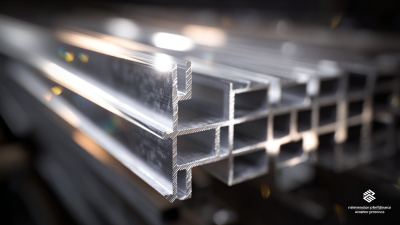
Picking the right Alu Profiles for your project is honestly a pretty big deal — it can make or break the durability and overall success of what you're trying to build or design. Alu Profiles are pretty popular because they’re lightweight yet super sturdy, making them pretty versatile whether you’re into industrial manufacturing or designing a sleek building. That said, with so many options out there, it can definitely feel a bit overwhelming trying to figure out which one is best for you.
To make the process a bit easier, it’s really helpful to think about a few key things — like what exactly you’re planning to use it for, what kind of structural needs you have, and the environment where the profile will be used. Knowing the details about different Aluminum profiles, like how strong they are, how well they resist corrosion, and how they handle heat, can really help you make smarter choices. When you pick the right Alu Profile, not only do you help make sure your project lasts longer, but you also improve how it looks and functions overall. It’s all about choosing wisely so everything comes together just right.

Understanding Aluminum Profiles and Their Applications
When it comes to selecting aluminum profiles for your projects, understanding their various applications is crucial. Aluminum profiles are versatile structural elements used in a broad range of industries, from construction to manufacturing. Their lightweight nature, coupled with high strength and resistance to corrosion, makes them ideal for applications such as window frames, furniture, and custom machinery. Before making a decision, it is important to consider the specific requirements of your project, including load-bearing capacity, environmental conditions, and aesthetic preferences.
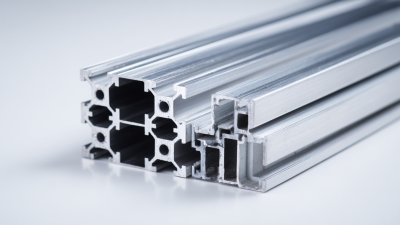
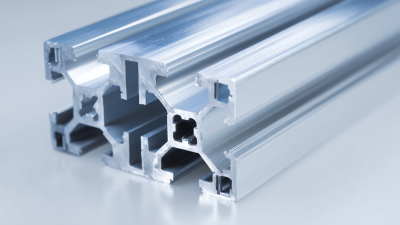
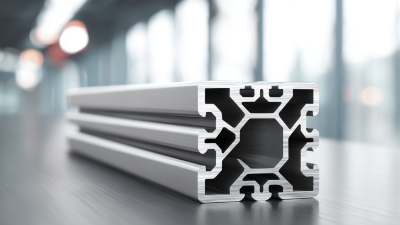
Tips: Always analyze the load requirements and environmental factors of your project before finalizing the type of profile. Often, profiles are available in a variety of shapes and sizes—each tailored to different applications. For instance, t-slot profiles can be used in modular construction, allowing for easy assembly and disassembly, while rectangular profiles provide significant strength for structural purposes.
Additionally, examining the surface finish of aluminum profiles can enhance their functionality and appearance. Whether you need a matte finish for a sleek design or a textured surface for improved grip, the right finish can significantly impact both the durability and visual appeal of your project. Ensure to match the surface treatment to the intended environment—more resistant finishes may be necessary for outdoor applications.
Assessing Project Requirements for Aluminum Profiles
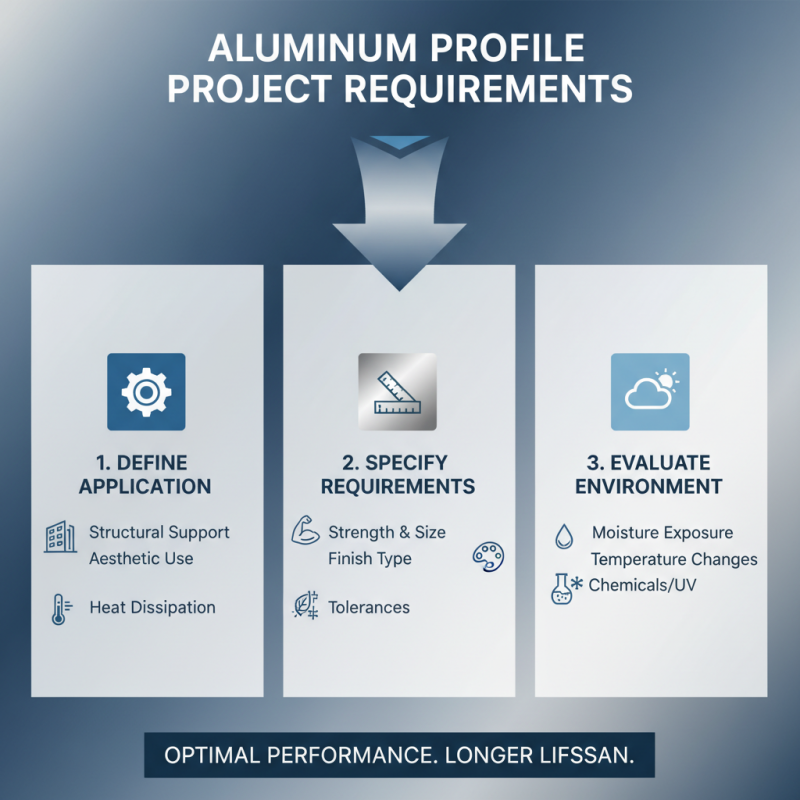
When assessing project requirements for aluminum profiles, the first step is to clearly define the specific needs of your project. Consider the intended application of the aluminum profiles—whether they will be used for structural support, aesthetic purposes, or heat dissipation. This understanding shapes your choices, as different projects demand distinct specifications such as strength, size, and finish. Furthermore, evaluating the environmental conditions—such as exposure to moisture, temperature fluctuations, and chemical exposure—can significantly influence the selection process, ensuring that the profiles will perform optimally throughout their lifespan.
In addition to the functional requirements, it is essential to analyze the aesthetic aspects of the project. The visual appeal of aluminum profiles can vary greatly depending on their design, color, and surface treatment. Therefore, it is prudent to consider how the profiles will integrate with the overall design theme and existing materials in your project. Engaging with architects or designers can provide valuable insights into the best choices that harmonize not only with the structural needs but also with the intended visual outcomes. By comprehensively assessing both functional and aesthetic requirements, you can make informed decisions that align with the goals of your project.
Evaluating Different Types of Aluminum Profiles
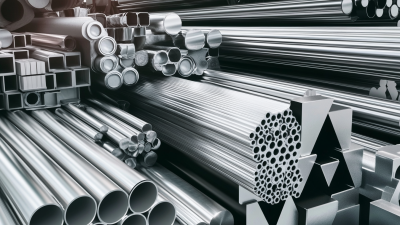
When evaluating different types of aluminum profiles for a project, it's essential to consider the specific requirements of your application. Aluminum profiles come in various shapes and sizes, including extruded, rolled, and cast profiles. Each type has unique properties that can affect performance, weight, and cost. According to a report from Grand View Research, the global aluminum extrusion market is expected to reach USD 85.75 billion by 2025, underscoring the material's growing popularity in construction and manufacturing sectors.
For instance, extruded aluminum profiles are favored for their versatility and strength-to-weight ratio, making them ideal for structural applications, such as frames and supports. On the other hand, rolled profiles might offer a smoother finish and are often used in aesthetic components. Understanding the differences can help you select the best profile for durability, ease of fabrication, and overall aesthetics.
Tips: When choosing aluminum profiles, prioritize the environmental conditions they will face. Profiles designed for high corrosion resistance are crucial in coastal environments. Additionally, consider the finish of the aluminum — powder coatings can enhance durability and provide a wide range of colors. Always refer to industry standards, such as those from the Aluminum Association, to ensure your profiles meet safety and performance guidelines.
Key Factors to Consider When Selecting Aluminum Profiles
When selecting aluminum profiles for your project, several key factors must be considered to ensure optimal performance and suitability. First and foremost, evaluate the specific requirements of your application, including load-bearing capacity, environmental conditions, and aesthetic preferences. Understanding the physical demands placed on the profiles will guide you in choosing the right thickness, shape, and alloy type to meet your needs.
Another critical aspect is the method of fabrication. Depending on whether your project involves welding, machining, or extrusions, different profiles will offer varying levels of compatibility with these processes. It's essential to consider how the profiles will be joined together and whether they will need to accommodate additional components. Additionally, think about the finishing touches—anodizing, powder coating, or raw finishes may impact the durability and appearance of the profiles, making it vital to select finishes that align with your project’s longevity requirements and design vision.
Lastly, be mindful of cost-effectiveness versus quality. While it may be tempting to opt for lower-priced profiles, balancing budget constraints with the long-term value and performance of the materials is crucial. Investing in high-quality aluminum profiles can lead to enhanced durability and reduced maintenance costs in the future, making it a more economical choice overall.
How to Choose the Right Alu Profiles for Your Project Needs
| Profile Type | Application | Weight (kg/m) | Load Capacity (kg/m) | Finish Type |
| Standard Aluminum Profile | General Construction | 2.5 | 100 | Anodized |
| T-Slot Profile | Modular Systems | 3.0 | 150 | Powder Coated |
| Extruded Profile | Custom Fabrication | 4.0 | 200 | Natural |
| Heavy Duty Profile | Industrial Applications | 5.0 | 300 | Anodized |
Comparing Costs and Budget Implications
When selecting aluminum profiles for your project, understanding the costs and budget implications is crucial. According to a recent report by the Aluminum Association, the price of aluminum has seen fluctuations due to global market conditions, with an average increase of 15% over the past year. This increase directly affects project budgets, especially for large-scale undertakings. Therefore, it's essential to analyze the overall cost, including not only the price of aluminum itself but also additional expenses such as machining, finishing, and transport.
Furthermore, different aluminum alloys offer varying benefits at differing costs. For instance, a comparative analysis from a technical journal reveals that while 6061 aluminum profiles are cost-effective, their tensile strength makes them suitable for structural applications, unlike 6063 profiles which are cheaper but may not fulfill the same strength requirements.
Choosing the right alloy for your specific application can lead to significant cost savings in the long run, as it reduces the need for additional reinforcements. Therefore, comprehensive cost analysis including both material selection and application requirements is vital to ensure project viability and success.
Sourcing Quality Aluminum Profiles from Suppliers
When sourcing quality aluminum profiles for your project needs, it’s essential to consider several key factors that influence both the performance and cost-effectiveness of the materials. According to a recent industry report from the Aluminum Association, the global demand for aluminum is projected to increase by approximately 5% annually over the next five years, with construction and manufacturing sectors being the primary drivers of this demand. This trend underscores the importance of identifying reliable suppliers who can consistently provide high-quality profiles that meet specific project specifications.
Quality assurance plays a critical role in the selection of aluminum profiles. Look for suppliers that adhere to recognized standards, such as ASTM International specifications, which ensure that the profiles you receive are suitable for their intended applications. Additionally, it's beneficial to collaborate with suppliers who offer transparency in their production processes and can provide certifications verifying the material's properties. A study from MarketsandMarkets indicates that aluminum profiles manufactured under stringent quality controls can improve structural integrity by up to 30%, further emphasizing the need for careful supplier evaluation to achieve optimal project outcomes.
Installation and Maintenance Considerations for Aluminum Profiles
When selecting aluminum profiles for your project, installation and maintenance should be top considerations. The installation process can vary significantly depending on the profile type and the intended application, so it's essential to plan ahead. Ensure that you have the proper tools and equipment for cutting, joining, and fastening the profiles securely. For instance, connectors and brackets must be compatible with the specific profile dimensions and weights to ensure structural integrity. Additionally, consider environmental factors such as exposure to moisture and extreme temperatures, as these can influence how you install the profiles to prevent future issues.
Maintenance of aluminum profiles is equally important for their performance and longevity. Regular inspections should be scheduled to check for signs of wear or damage, particularly in high-use areas or those exposed to corrosive conditions. Cleaning the profiles with mild detergents and ensuring that any debris is cleared can help maintain their appearance and functionality. Furthermore, it is advisable to lubricate moving parts if your application involves adjustable components. By prioritizing both proper installation techniques and consistent maintenance routines, you can maximize the durability and effectiveness of aluminum profiles in your project.
FAQS
: Understanding the costs is crucial as fluctuations in aluminum prices can directly affect project budgets, especially for large-scale undertakings, leading to potential overruns.
In addition to the price of aluminum itself, additional expenses such as machining, finishing, and transport should be included in the overall cost analysis.
Different aluminum alloys offer varying benefits at different costs, which can influence overall project expenses. Choosing a cost-effective alloy that meets the application's strength requirements can lead to significant long-term savings.
Selecting the appropriate aluminum alloy can reduce the need for additional reinforcements, thereby saving costs and ensuring project feasibility and success.
Key factors include the type of profile, intended application, compatibility of connectors and brackets, and environmental conditions such as moisture and temperature.
Exposure to moisture and extreme temperatures can influence the installation process and must be accounted for to prevent future issues with the profiles.
Regular inspections for wear or damage, cleaning with mild detergents, clearing debris, and lubricating moving parts are critical for maintaining the performance and longevity of aluminum profiles.
Regular inspections help identify signs of wear or damage, particularly in high-use or corrosive areas, which is essential for ensuring their durability and functionality.
Proper tools and equipment for cutting, joining, and fastening the profiles securely are essential to ensure a successful installation.
Prioritizing correct installation techniques ensures structural integrity and maximizes the durability and effectiveness of aluminum profiles in various applications.
Conclusion
Choosing the right Alu Profiles for your project is crucial for ensuring functionality and durability. To begin, it is essential to understand the various applications of aluminum profiles and how they can meet specific project needs. Evaluating project requirements helps in identifying the most suitable types of Alu Profiles, along with considering key factors such as strength, weight, and resistance to environmental conditions.
In addition, comparing costs and budget implications is important for making an informed decision that aligns with financial constraints. Sourcing quality Alu Profiles from reputable suppliers will guarantee reliability and performance. Finally, understanding installation and maintenance considerations ensures that the selected profiles will function effectively over time, further enhancing the project’s success. By addressing these aspects, you can confidently choose the right aluminum profiles that cater to your unique project requirements.