Leave Your Message
In the manufacturing world, picking the right Aluminum Extrusion can really make or break a project. I mean, as John Smith from Aluminum Innovations LLC once pointed out, "Choosing the right aluminum extrusion is key to making sure your project turns out great." It’s not just about aesthetics—it really affects durability, cost, and how well everything functions overall.
Aluminum extrusions come in all sorts of profiles, tailored for different uses, which can honestly feel kind of overwhelming at first glance. The trick is to really understand what your project needs—think about things like strength, weight, and the kind of finish you want. Sometimes, having too many options just gets confusing instead of helping. So, it's super important to focus on what actually matters most for your specific case.
Making a wrong call on the Extrusion Profile can lead to delays and, let’s be honest, extra costs. That’s why it’s vital to really reflect on your design needs. Will this extrusion hold up under stress? Will it support the look you’re after? Asking yourself these questions highlights why careful choice-making is so crucial, especially in theExtrusion Industrial Aluminum Extrusion Profile market. Plus, chatting with experienced suppliers can give you some valuable insights and help you make smarter decisions.
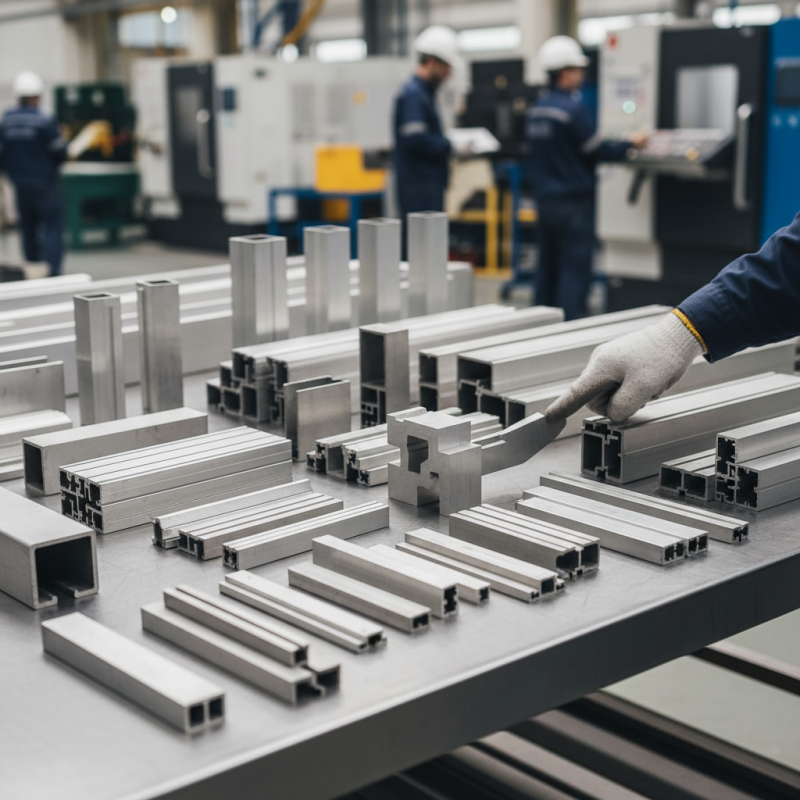
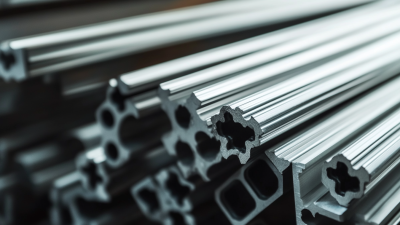
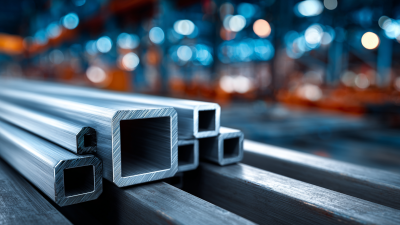
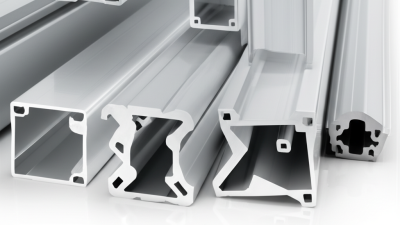
Aluminum extrusions have diverse applications. They come in various shapes and sizes, making them suitable for many projects. Common types include structural, architectural, and decorative extrusions. Structural profiles provide strength for frameworks. Architectural sections often emphasize aesthetics. Decorative profiles add a finishing touch to designs.
Choosing the right type requires some reflection. Consider the specific needs of your project. Will it bear weight? Or is appearance more important? Sometimes, engineers overlook the impact of weather and corrosion. You’ll need to ensure the aluminum suits your environment. Not all aluminum is equal; some are better for outdoor use.
Understanding these details is crucial. Don’t rush the decision-making process. Collecting samples can help visualize the final product. Testing prototypes also reveals potential issues early on. Remember that the ideal extrusion aligns with both functionality and design. Each project benefits from careful consideration of these factors.
| Type of Aluminum Extrusion | Typical Applications | Strengths | Considerations |
|---|---|---|---|
| Structural Extrusions | Buildings, Bridges, Frameworks | High strength-to-weight ratio | May require additional reinforcement |
| Architectural Extrusions | Windows, Doors, Curtain Walls | Aesthetic flexibility and finishes | Design limitations depending on application |
| Heat Sink Extrusions | Electronics, LED Lighting | Excellent thermal conductivity | Size constraints for specific applications |
| Custom Extrusions | Unique applications across industries | Tailored specific to project needs | Potentially higher costs and longer lead times |
When it comes to enhancing the aesthetic and functional appeal of buildings, high-quality aluminum extrusions for doors and windows are becoming increasingly popular in the Bolivian market. This shift is supported by the rising demand for energy-efficient and durable building materials. According to recent industry reports, aluminum frames have seen a significant uptick in usage, largely due to their lightweight nature, resilience against corrosion, and comparatively low maintenance requirements. As a result, construction and renovation projects in Bolivia are increasingly favoring aluminum profiles over traditional materials.
Importing aluminum extrusions can be a viable option for construction firms and contractors looking to meet the specific needs of the Bolivian market. With over a decade of experience exporting aluminum products to South America, manufacturers are equipped to provide guidance on best practices for sourcing these materials. Current trends indicate that the demand for aluminum in residential construction is expected to rise, driven by growing consumer awareness of sustainability and energy efficiency. By leveraging insights from international suppliers, local businesses can ensure they are accessing high-quality materials that meet stringent building codes and standards.
Moreover, the Bolivian construction sector is poised for growth, with forecasts indicating a steady increase in infrastructure projects in the coming years. This growth will likely spur further demand for high-quality aluminum extrusions in windows and doors, as they are not only aesthetically pleasing but also contribute to better energy performance in buildings. By understanding market dynamics and cultivating relationships with experienced suppliers, businesses can position themselves for success in this evolving landscape.
: Common types include structural, architectural, and decorative extrusions. Each serves different project needs.
Consider the project’s requirements. Think about strength, appearance, and environmental factors.
Test samples for temperature reactions and signs of imperfections. This can prevent larger issues later.
Humidity and chemical exposure can impact aluminum. Not all materials hold up well under harsh conditions.
Improper profile choice may lead to structural failures or project delays. It's essential to analyze carefully.
Yes, complex profiles can raise costs. Consider simpler options that still meet your project’s needs.
Changes in thickness and width can alter strength and weight. Evaluating these aspects is important.
Yes, consulting experts can clarify complex material properties and help in making better decisions.
Match functional requirements with aesthetic goals. This alignment is key to a successful project outcome.
Rushing can lead to poor material choices and project complications. Take time for thoughtful consideration.
When embarking on a project that requires Aluminum Extrusions, it is essential to first understand the various types available and their specific applications. Identifying the unique requirements of your project will guide you in selecting the appropriate material properties, shapes, and profiles. Evaluating these aspects will ensure that the Aluminum Extrusions meet your design and functionality needs.
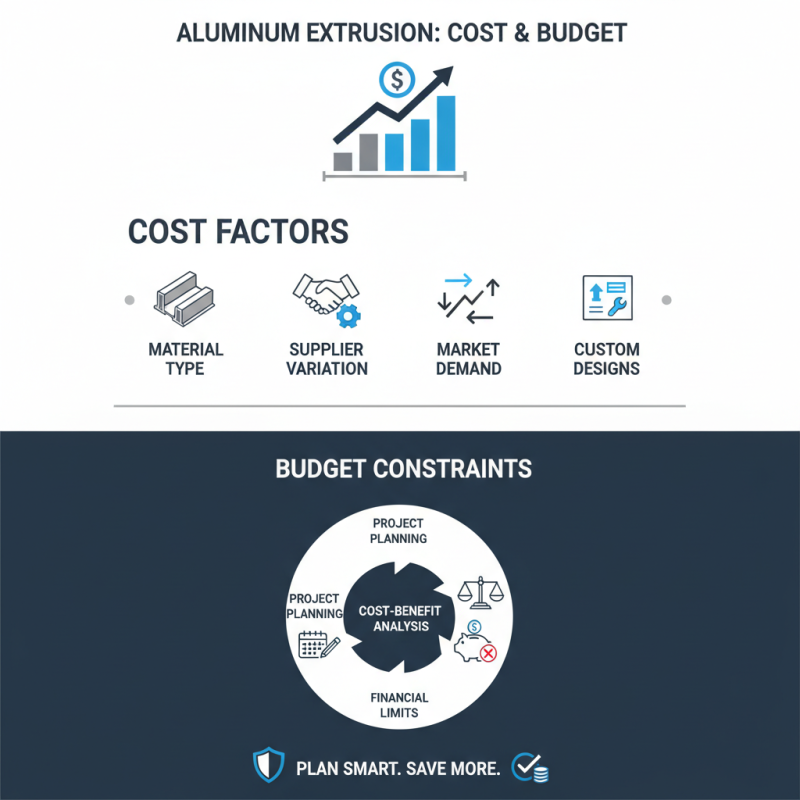
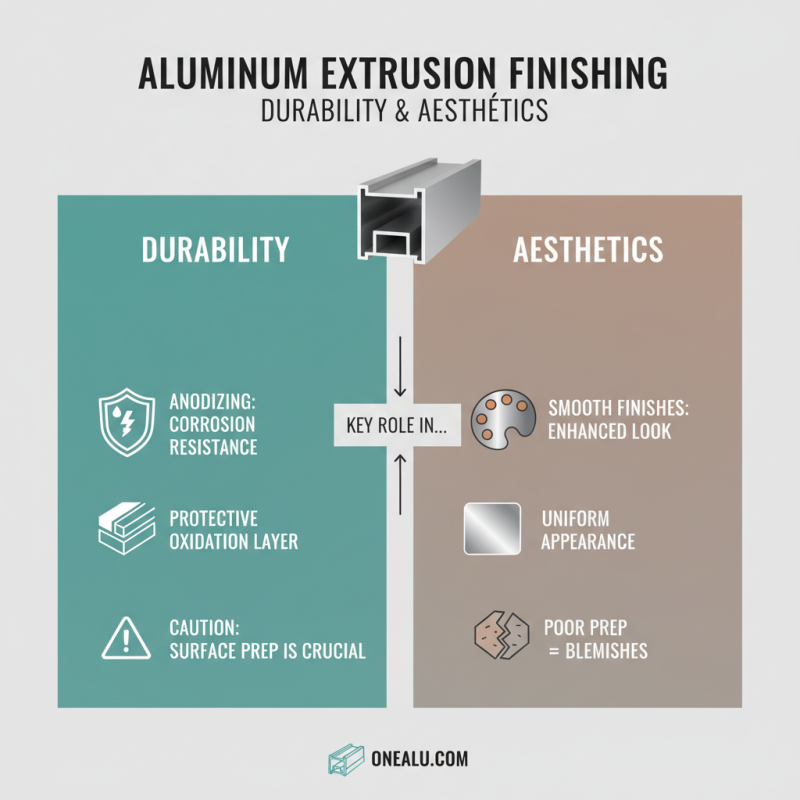
Additionally, it is vital to consider cost factors and budget constraints while sourcing your materials. Finding reputable suppliers and manufacturers can significantly impact the quality of your extrusions. Finally, reviewing finishing options is crucial for enhancing the durability and aesthetics of the final product. By following this framework, you can effectively choose the right Aluminum Extrusion to achieve your project goals.