You know, Aluminum Extrusion really is a pretty important part of manufacturing these days. Basically, it’s about shaping aluminum by pushing it through a die—kind of like squeezing toothpaste, but for metal! This process has some pretty cool perks, like making lightweight yet strong materials that are super versatile. Lots of industries depend on aluminum extrusions for all kinds of different stuff.
Getting the hang of how to do aluminum extrusion right is pretty much the secret to making top-notch products. When you get a good grasp of the process and its little quirks, you can really boost efficiency. Of course, mistakes happen—it’s all part of the learning curve—and recognizing those issues early on is key to fixing them and avoiding waste. Small tweaks to the process can make a big difference, helping to improve the final product.
And let’s not forget, trying out new and innovative methods can really shake things up and take production to the next level. Designers and engineers should be open to experimenting with different techniques. Sometimes, failures lead to the biggest breakthroughs. Every trial and error, even those tiny setbacks, teach us something new and push the standards higher when it comes to aluminum extrusion.
Understanding the Basics of Aluminum Extrusion Processes
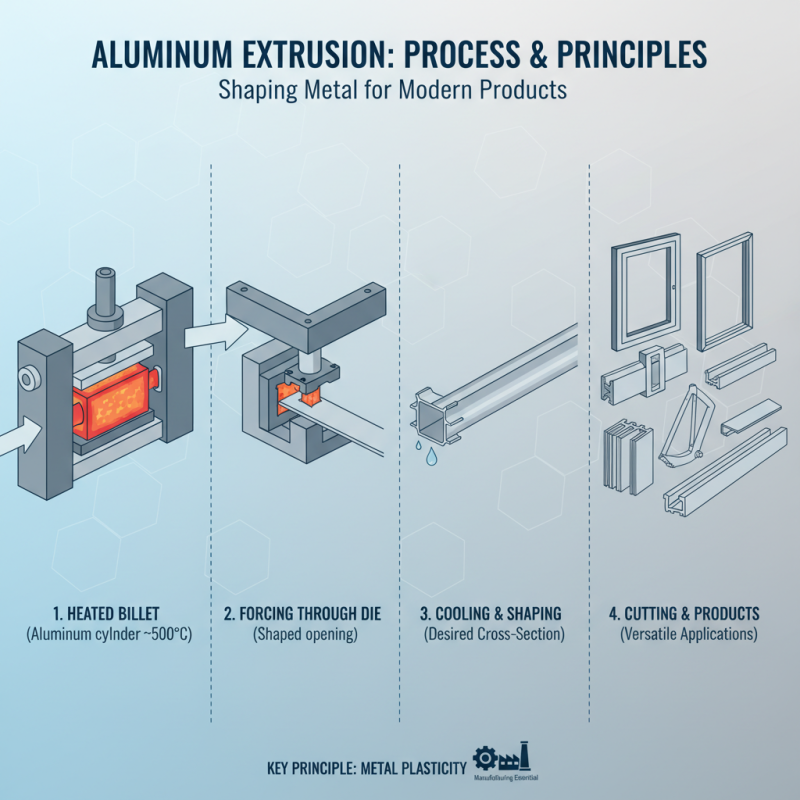
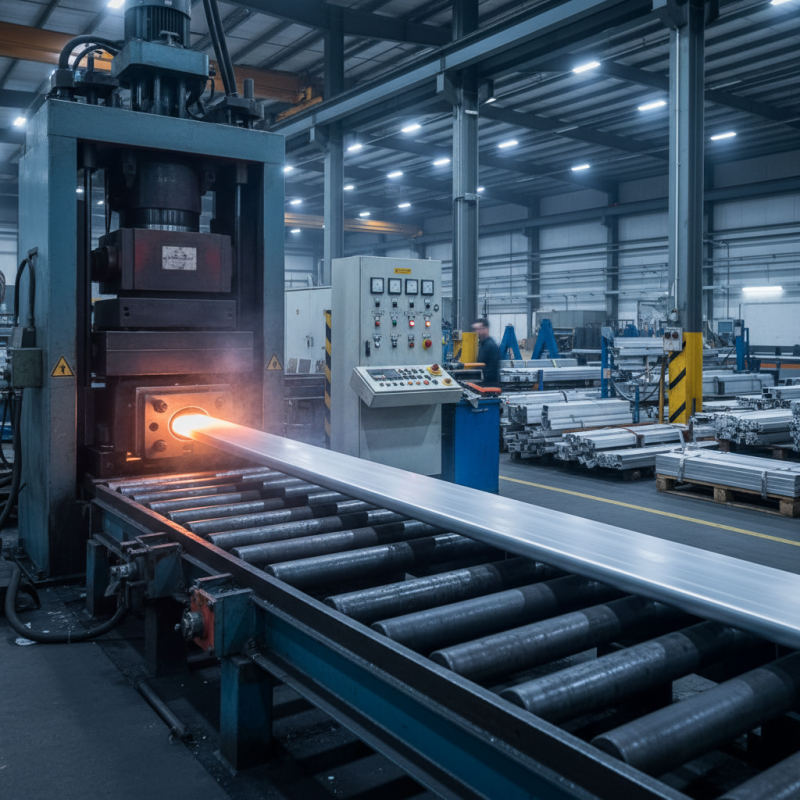
Aluminum extrusion is a fascinating process. It involves forcing Aluminum Through a shaped opening, creating a specific cross-section. This technique is crucial for producing various aluminum products. Understanding its basic principles is essential for anyone interested in metalworking or manufacturing.
The extrusion process begins with heating aluminum billets. This makes them malleable and easy to shape. The heated metal is then pushed through a die, forming the desired profile. The die's shape directly impacts the outcome. Small variations can lead to significant differences in the final product. Because of this, precise attention to detail is vital.
Cooling is another critical aspect. The extruded aluminum must be cooled evenly to avoid warping. However, achieving perfect results can be challenging. In some instances, the final product may have imperfections. These could include surface defects or dimensional inaccuracies. Identifying these issues early helps improve future extrusions. The learning curve can be steep, but dedication to mastering the basics will yield rewarding results.
Essential Tools and Equipment for Aluminum Extrusion
When venturing into aluminum extrusion, having the right tools and equipment is crucial. An extrusion press is the heart of the operation. It applies pressure to raw aluminum billets, shaping them into desired profiles. According to industry reports, modern presses can achieve efficiencies of over over 80%. However, improper maintenance can lead to unexpected breakdowns. Regular check-ups are necessary to prevent disruptions.
Another key player in aluminum extrusion is the die. High-quality, custom-designed dies are indispensable. A poorly made die can lead to defects and waste. Studies indicate that using advanced CAD software in die design can decrease errors by as much as 50%. Nevertheless, investing in sophisticated design tools may not always be feasible for smaller operations.
Additionally, it's vital to have proper finishing equipment. This includes anodizing and powder coating machines. These processes enhance the appearance and corrosion resistance of extruded profiles. Yet, some firms overlook the importance of quality control in finishing. Reports show that inadequate quality checks can lead to returns and loss of customers. Balancing cost with quality control remains a challenge for many.
Key Factors Influencing Aluminum Extrusion Quality
Aluminum extrusion quality is influenced by several key factors. The temperature of the aluminum billet plays a crucial role. If the temperature is too low, it can lead to cracking. Conversely, excessive heat can result in oxidation. Finding the right balance is essential for achieving a smooth surface.
Another significant factor is the extrusion die design. A poorly designed die can create uneven profiles and defects. It is vital to ensure that the die matches the desired product specifications. Regular maintenance and inspection of dies can help prevent issues that arise from wear or damage.
Finally, the cooling rate after extrusion affects final quality. If cooling is too rapid, it may induce stress within the material. In contrast, slow cooling can lead to unwanted changes in grain structure. Adjusting the cooling process requires careful monitoring to maintain consistency while ensuring the desired material properties.
Techniques for Designing Efficient Aluminum Extrusions
Aluminum extrusion is a crucial process in manufacturing. Designing efficient aluminum extrusions requires a blend of creativity and technical knowledge. Engineers must understand the mechanical properties of aluminum to optimize designs. According to a recent industry report, efficient aluminum extrusions can reduce material costs by up to 30%.
Tip: Always consider the profile shape. Complex shapes can lead to higher production costs. Striking a balance between innovation and practicality is key. Aim for designs that minimize waste. Simple geometries often enhance structural integrity, which can lead to improved performance.
Incorporating proper wall thickness is another vital consideration. Thin walls may save material but can compromise strength. Some designs might look appealing, but overestimating strength needs can result in failures. Recent studies indicate that improper wall thickness can lead to a 15% increase in production defects.
Tip: Conduct thorough simulations before finalizing designs. This helps in identifying weak points. Engage in feedback loops with manufacturing teams. Their insights can highlight potential design flaws early on. Reflecting on past mistakes is essential for growth in this field.
Ultimate Tips for Mastering Aluminum Extrusion Techniques - Techniques for Designing Efficient Aluminum Extrusions
| Technique | Description | Benefits | Considerations |
| Die Design | Creating a die with precise geometry to ensure quality extrusions. | Improved dimensional accuracy and surface finish. | Cost of die fabrication can be high; requires skilled designers. |
| Process Control | Monitoring and adjusting parameters during the extrusion process. | Consistent quality and reduced waste. | Requires investment in monitoring technology. |
| Material Selection | Choosing the right aluminum alloy for specific applications. | Enhanced mechanical properties and corrosion resistance. | Different alloys have varying costs and availability. |
| Cooling Techniques | Implementing effective cooling systems to control cooling rates. | Reduces warpage and improves mechanical properties. | May require additional equipment and infrastructure. |
| Post-Extrusion Treatment | Applying treatments such as anodizing or coatings to improve properties. | Enhanced aesthetic appeal and durability. | Additional costs and time requirements for treatments. |
Troubleshooting Common Issues in Aluminum Extrusion
Troubleshooting common issues in aluminum extrusion requires a keen eye for detail. One frequent problem is warping. According to a study by the Aluminum Association, nearly 30% of extrusions experience some degree of deformation. This can occur due to uneven cooling or improper die alignment. It’s essential to monitor cooling rates closely to maintain dimensional stability.
Another issue is surface defects, which can include scratches or oxidation. A report from the International Aluminum Extrusion Council highlights that 25% of defects come from handling and processing errors. Clean, consistent handling practices can significantly reduce these chances. Operators should wear gloves and use dedicated equipment to minimize contact damage.
Lastly, incomplete fills can lead to weak sections in profiles. This occurs when the molten aluminum fails to fill the die cavity fully. An analysis found that around 15% of extrusions suffer from this issue. Factors contributing to this include inadequate temperature control and improper alloy selection. Monitoring these variables is critical to ensure the integrity of the final product. Implementing effective quality checks can prevent these common pitfalls.
Common Issues in Aluminum Extrusion and Their Frequency
This chart illustrates the frequency of common issues encountered in aluminum extrusion processes, providing insight into troubleshooting areas that require attention.
Advanced Methods for Enhancing Extrusion Performance
Aluminum extrusion is a complex process that requires skill and precision. To enhance extrusion performance, applying advanced methods can significantly improve results. One technique is optimizing the die design. A well-designed die reduces pressure and improves flow. This can lead to better surface finishes and reduced defects. Experimenting with different shapes is crucial. It can transform the final product.
Temperature control is another critical aspect. Maintaining the right temperature during extrusion helps achieve uniform flow properties. Higher temperatures can sometimes lead to a softer material, allowing for easier shaping. However, be cautious; overheating can cause defects. Monitor temperatures closely for consistency.
Tips for mastering aluminum extrusion include regularly reviewing the setup. Are your machines calibrated correctly? Check for wear and tear on components. Consider employee training on new technologies as well. Investing in staff knowledge pays off. Reflect on the extrusion process after every run. What worked well? What can be improved? Continuous assessment is key to success and innovation.
Best Practices for Post-Processing and Finishing Extrusions
Post-processing and finishing aluminum extrusions is crucial for achieving high-quality results. This stage can significantly impact the aesthetic and functional aspects of the final product. Various methods can enhance the surface of aluminum. Techniques like anodizing improve corrosion resistance and add color. However, these processes require careful control. Over-anodizing can lead to brittle surfaces. It’s essential to test different parameters before committing to a large batch.
Another vital aspect is deburring. Sharp edges on extrusions can pose safety hazards and affect assembly. Using mechanical deburring tools is common, but hand-sanding can offer precision. Yet, it is labor-intensive and may not achieve uniform results. Each technique has its pros and cons, highlighting the importance of choosing the right method for your needs. Don’t overlook polishing; it enhances appearance but may not be suitable for all applications.
Finally, surface treatment is an area often neglected. A simple finish can elevate the quality of an extrusion. However, some treatments may alter the dimensions slightly. This can cause misalignments during assembly. Proper planning and quality checks are crucial at this stage. Remember, the process does not end with extrusion; it evolves through post-processing and finishing techniques. Embrace the challenges to refine your skills in aluminum extrusion.
Enhance Your Outdoor Space with Custom Aluminum Motorized Louvered Pergolas Featuring Waterproof Flip Shutters and LED Lighting
Enhancing your outdoor space has never been easier with the introduction of custom aluminum motorized louvered pergolas. These innovative structures not only elevate the aesthetic appeal of your patio but also provide practical solutions for weather management. According to industry reports, the outdoor living market is projected to grow at a CAGR of 6.2% from 2021 to 2026, indicating an increasing demand for versatile outdoor solutions that combine functionality and comfort.
The aluminum motorized louvered pergola features a customizable design that can adapt to various patio sizes, ensuring a perfect fit for any outdoor area. The remote-controlled motorized louvers allow you to effortlessly adjust sunlight exposure, providing shade during hot summer days or allowing sunlight when desired. This functionality is particularly important as studies show that outdoor spaces with shade can reduce heat accumulation, improving overall comfort levels. Furthermore, the waterproof louvers are engineered to withstand harsh weather conditions, ensuring that your outdoor oasis remains dry during heavy rain and snow.
Additionally, the integration of LED lighting systems into these pergolas transforms your outdoor living experience after sunset. With the ability to create a cozy and inviting atmosphere, these pergolas are perfect for family gatherings or quiet evenings under the stars. Research indicates that well-designed outdoor spaces with adequate lighting can enhance property value and create enjoyable experiences for homeowners. With a blend of aesthetics and practicality, custom aluminum motorized louvered pergolas are an investment worth considering for anyone looking to enhance their outdoor environment.
FAQS
: The product aims to enhance daily life quality. It offers convenience and efficiency to users.
Follow the provided instructions carefully. Ensure proper maintenance for optimal performance.
Yes, users should read safety guidelines. Avoid misuse that can lead to accidents.
Troubleshooting tips are available. Contact support for unresolved problems or concerns.
Yes, a warranty is included with the purchase. Check the details for coverage and duration.
Clean regularly with a soft cloth. Avoid harsh chemicals that may damage the surface.
It is designed for specific functions. Using it outside these may yield unsatisfactory results.
First, check the power source. If problems persist, consult the troubleshooting guide.
Visit the official website for FAQs, guides, and customer service contact.
The product is generally designed for adults. Supervision may be needed for younger users.
Conclusion
The article "Ultimate Tips for Mastering Aluminum Extrusion Techniques" provides a comprehensive overview of aluminum extrusion processes, emphasizing the importance of understanding the basics that underpin this manufacturing technique. It outlines essential tools and equipment necessary for successful extrusion, as well as the key factors that influence the quality of the final product.
Moreover, the article discusses effective design techniques to enhance efficiency in aluminum extrusions and offers solutions for troubleshooting common issues that may arise during the process. For those looking to elevate their expertise, advanced methods for improving extrusion performance are highlighted, alongside best practices for post-processing and finishing extrusions, ensuring that manufacturers can achieve optimal results in their aluminum extrusion endeavors.