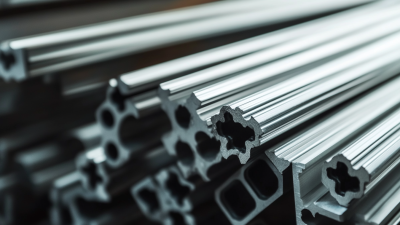
Looking ahead to 2025, it’s pretty exciting to see that the aluminum extrusion industry is gearing up for some serious growth. Thanks to all sorts of tech advancements and the rising demand across different sectors, things are really moving. Reports are hinting that the global aluminum extrusion market could hit around $XX billion by 2025, with an impressive CAGR of XX%. This jump in growth is mostly due to the increasing use of aluminum extrusion in areas like construction, automotive, and consumer products, where having lightweight but durable materials is just becoming a must-have. At Foshan City One AlU Aluminum Co., Ltd., we’ve been in the aluminum profile game for over 19 years now, and we’re all about making top-notch door and window profiles, kitchen cabinet profiles, roller shutter profiles, and curtain walls that meet this growing demand. We’re committed to staying innovative and maintaining quality, so we’re not just keeping up with industry trends—we’re also playing a part in shaping the future of aluminum extrusion around the world. Plus, we’ve proudly exported our products to over 50 countries globally!
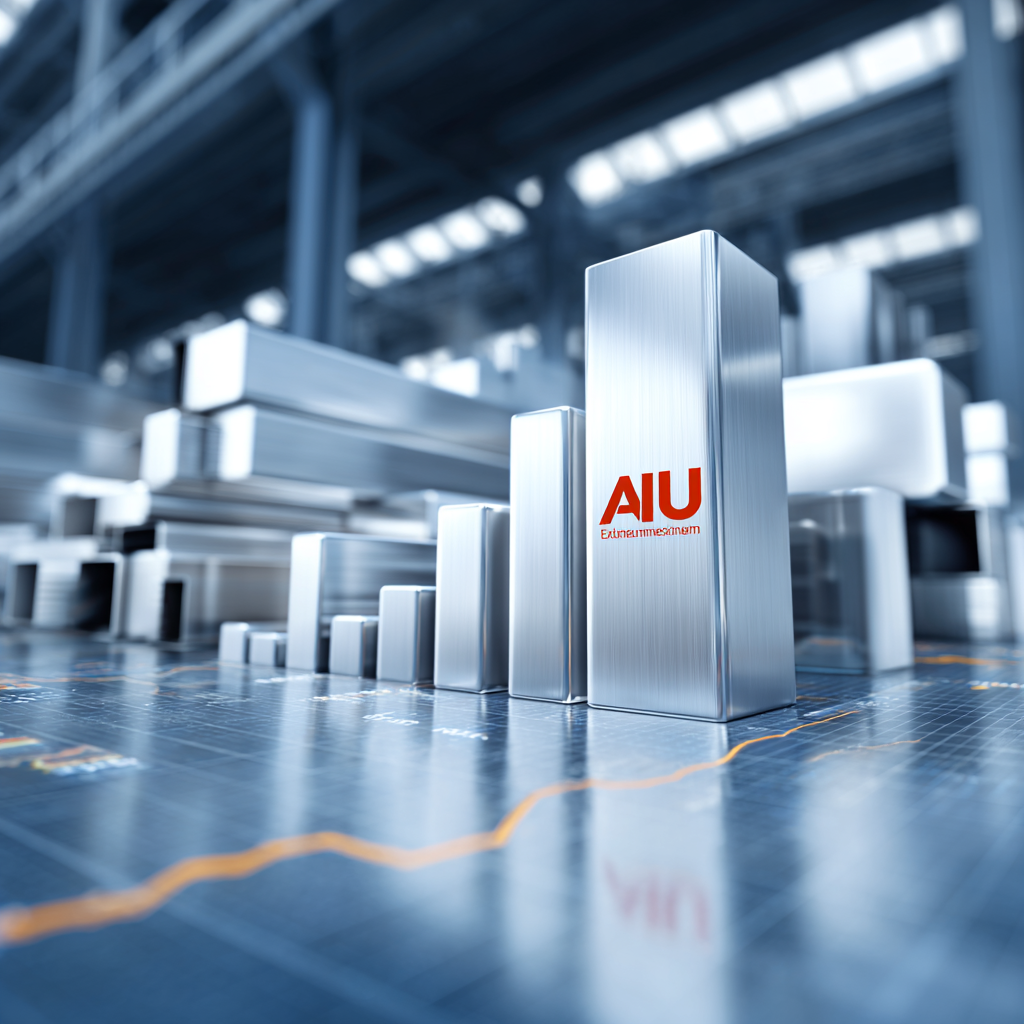
Current State of the Aluminum Extrusion Industry: Key Insights for 2025
You know, the Aluminum Extrusion industry is really gearing up for some serious growth in 2025. It’s pretty exciting when you think about it! The demand is rising across a bunch of sectors like construction, automotive, and aerospace. A recent market analysis from Allied Market Research even suggests that the global aluminum extrusion market could hit around $75 billion by 2025. That’s a compound annual growth rate, or CAGR if you wanna get technical, of roughly 6.7% since 2020. A big part of this growth is due to aluminum's fantastic lightweight and corrosion-resistant qualities, which definitely make it more attractive than some traditional materials.
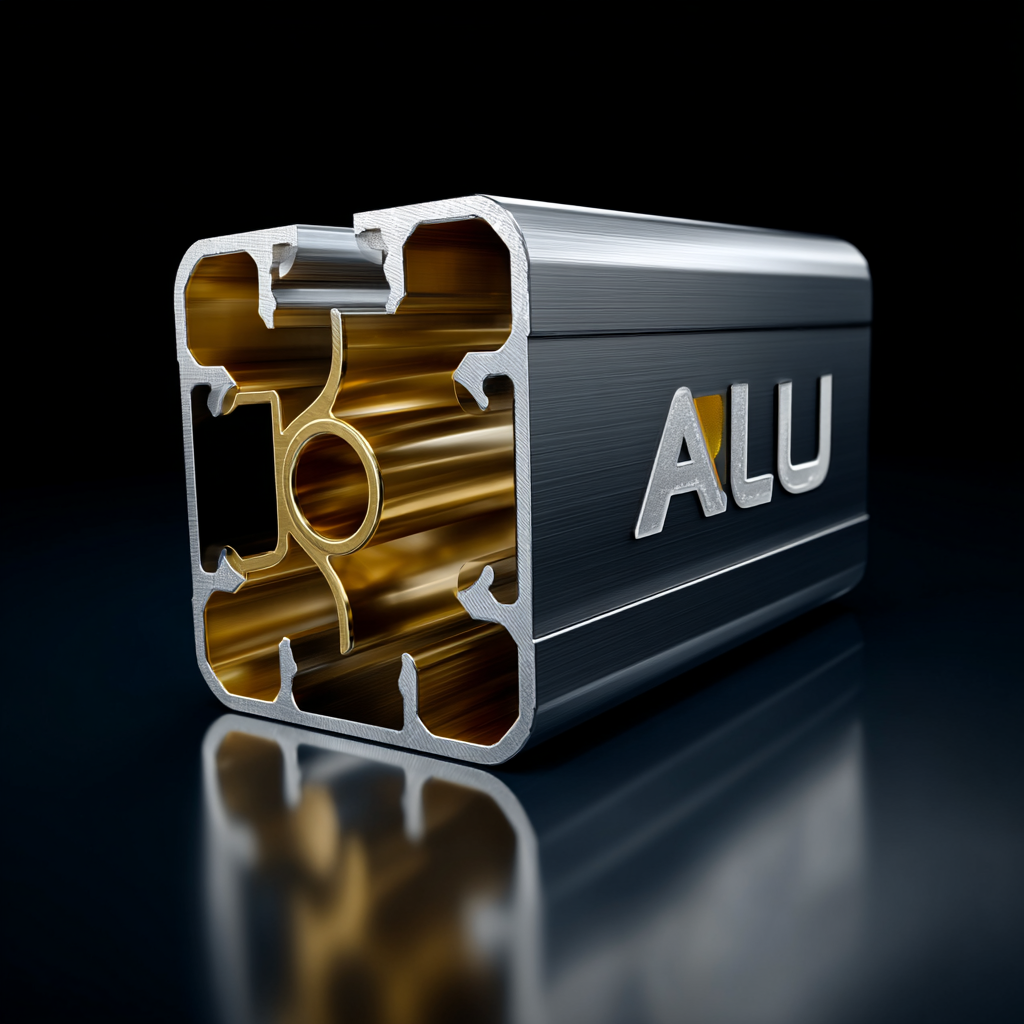
Currently, the automotive sector seems like it’s gonna be a key player in this whole growth story. With all the money pouring into electric vehicle production lately, it’s no wonder! The International Aluminum Institute has reported that we could see aluminum use in the automotive industry shoot up by more than 50% in the next few years. That’s gonna push demand for aluminum extrusion even further. Plus, with more and more green building initiatives popping up, the construction industry is warming up to aluminum as it’s super recyclable and eco-friendly too. So, companies that are all about innovation and efficiency in their extrusion processes—yeah, they’re the ones likely to thrive in this changing landscape.
Emerging Alternatives in Aluminum Alloys: Trends Shaping the Future
The aluminum extrusion industry is really going through some exciting changes right now, especially with the new aluminum alloys coming into play that are set to change the game. Manufacturers are on the lookout for ways to boost performance while also trimming down weight and costs, and let me tell you, alternative alloys are really making a name for themselves. We're seeing some cool innovations like high-strength aluminum-lithium alloys and advanced heat-treatable alloys. They not only ramp up mechanical properties but also bring along impressive corrosion resistance, which makes them perfect for all sorts of applications—think everything from aerospace components to car parts. But here's the thing: these new alloys aren’t just about meeting performance standards; they also show a real commitment to sustainability. There's a noticeable shift towards alloy compositions that include recycled materials, and that’s happening thanks to regulations kicking in and consumers showing a preference for eco-friendly options. As companies catch on to these trends, they’re also throwing money into new processing techniques that make it easier to recycle aluminum. It's all about creating a more circular economy in the extrusion world. This focus on being sustainable, combined with the development of these innovative alloys, is positioning the aluminum extrusion industry for some solid growth in the years ahead. That means there are fresh opportunities popping up for both manufacturers and consumers, which is super exciting!
Innovative Technologies in Aluminum Extrusion: A Path to Enhanced Efficiency
You know, the aluminum extrusion industry is really on the verge of some big changes, especially with all the cool new technologies that are coming into play. Companies are really pushing for better efficiency and productivity, and that means we're seeing all sorts of new machinery and processes pop up. These advances are allowing for faster production times and way more precision than ever before. Take automation, for example—it's totally changing the game when it comes to handling aluminum profiles. It's cutting down on labor costs while boosting the quality of the output, which is a win-win! Plus, this tech shift isn’t just about keeping up with market demands; it's also about being more eco-friendly by reducing waste.
At Foshan City One Alu Aluminum Co., Ltd., we really get how crucial these advances are for the aluminum profile world. With almost two decades of experience under our belt, we focus on a variety of products, like aluminum profiles for doors and windows, kitchen cabinets, roller shutters, and even curtain walls. By bringing in the latest tech into our manufacturing processes, we're not just ramping up our production efficiency but also making sure our products are top-notch and meet the needs of our clients around the globe. We're exporting to over 50 countries and are proud to be at the forefront of innovation in our industry, paving the way for a future that's not just more efficient, but also more sustainable when it comes to aluminum extrusion.
Sales Growth Projections: Analyzing Market Demands and Supply Dynamics
Looking ahead to 2025, it’s pretty clear that the aluminum extrusion industry is gearing up for some major changes. All thanks to shifting market demands and supply trends! We're seeing more and more sectors—especially automotive and construction—really pushing for lightweight materials. This is nudging manufacturers to think outside the box and broaden their product ranges. And you know what? This whole trend is part of a bigger push for sustainability. Lightweight aluminum helps with fuel efficiency and cuts down on carbon emissions, which is awesome for the planet.
Sales forecasts are looking solid too, with a notable spike in demand for aluminum extrusions. This is especially true in places that are pouring money into infrastructure and green technologies. Companies that can tweak their production methods to keep up with these demands are likely to see some sweet rewards—think more orders and better profit margins! On the flip side, we’ve got price fluctuations on raw materials and some supply chain hiccups that could throw a wrench in production capabilities and pricing. So, smart inventory management and solid relationships with suppliers are going to be super important for businesses looking to ride the wave of growth in the aluminum extrusion market.

Sustainability in the Aluminum Extrusion Sector: The Rise of Eco-Friendly Practices
You know, sustainability has really taken off in the aluminum extrusion world lately—it's like the topic on everyone’s lips! With more and more eco-friendly practices coming into play, the demand for aluminum profiles and accessories is set to skyrocket. They’re forecasting that the market size will jump from about USD 60.99 billion in 2025 to an impressive USD 123.44 billion by 2034. Pretty wild, right? This surge is part of a bigger push for sustainable manufacturing, as we all scramble to step up our game and cut down on environmental harm.
One of the key players in this shift is innovation in recycling. Take shipbuilding, for example; using recycled aluminum not only helps the planet but also meets the growing sustainability standards in the industry. We’ve seen some cool new advancements, like supergravity-enhanced separation methods that make it easier to get high-quality recycled aluminum from waste chips. And let’s not forget about 3D printing—there’s a lot of exciting stuff happening there too, using recycled materials to explore new possibilities. It’s a neat mix of sustainability and innovation, if you ask me.
As industries, aluminum included, work towards decarbonizing and cutting emissions, the Aluminum Stewardship Initiative certification is becoming a real game changer. Companies everywhere are getting onboard, aligning their operations with the eleven principles laid out in this standard. It just shows the aluminum industry is serious about creating a greener future. With these efforts, the aluminum extrusion sector is really stepping up to be at the forefront of sustainable practices, all while tackling the tough challenges of climate change and aiming to meet those global emissions targets.
Competitive Landscape: Key Players and Their Strategies in 2025
Hey there! Looking ahead to 2025, it looks like the aluminum extrusion industry is really gearing up for some major growth. Big players in the game are getting creative with their strategies to really make a mark in the market. A recent report from ResearchAndMarkets predicts that the global aluminum extrusion market could hit a whopping USD 95 billion by 2025. That's quite a jump, with an expected annual growth rate of about 5.6% since 2020! Companies like Hydro Aluminium and Alcoa Corporation are particularly focused on ramping up their manufacturing operations and are also making a big effort to be more sustainable—definitely a move to catch the eye of eco-minded consumers.
Now, when it comes to competition in 2025, strategic partnerships and tech innovations are going to be crucial. Reports from Statista suggest that we could see a 15% spike in investments towards automation and smart manufacturing. Companies like Atlas Copco are hopping on the Industry 4.0 train to really step up their production efficiency. It’s a win-win, really—these initiatives not only boost how well companies perform but also help cut down on their overhead costs, which can really help the bottom line. Plus, players in this field are diving deep into research and development, with spending expected to reach around USD 2.2 billion as they aim to come up with new aluminum alloys and extrusion techniques that can be used in all sorts of industries, from automotive to construction.
Maximize Structural Integrity: Exploring the Benefits of 6063 L Shape CNC Machining Aluminum Extrusion Profiles
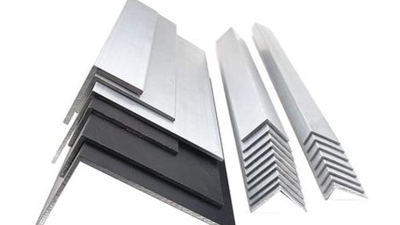
The L-shaped aluminum profiles, characterized by their unique 90° angles, offer remarkable versatility in various applications. As noted in industry reports, these profiles are essential in structural frameworks due to their superior strength-to-weight ratio, which allows for enhanced durability without compromising on weight. According to a 2022 market analysis by the Aluminum Association, the demand for extruded aluminum products, including L-shaped profiles, is projected to grow at a compound annual growth rate (CAGR) of 5.1% over the next five years, highlighting their increasing importance across multiple sectors, from construction to automotive manufacturing.
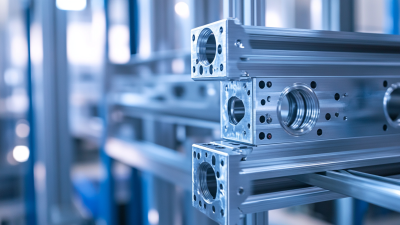
At ONE ALU, we understand that customization is key to maximizing structural integrity in projects. Our ability to manufacture L-shaped profiles tailored to specific requirements—whether featuring identical or varied side lengths—ensures that clients can achieve their desired structural specifications without settling for standard solutions. Additionally, advanced CNC machining techniques utilized in our production process guarantee precision and quality in small and even very small dimensions, making our profiles an ideal choice for intricate designs and robust applications.
By leveraging the benefits of 6063 aluminum, known for its excellent corrosion resistance and anodizing capabilities, our L-shaped profiles not only meet aesthetic needs but also enhance the longevity of structures. With the growing emphasis on efficiency in engineering designs, choosing the right aluminum extrusion profiles becomes paramount in optimizing performance and ensuring that projects meet the highest standards of structural integrity.
FAQS
: Emerging alloys include high-strength aluminum-lithium alloys and advanced heat-treatable alloys, which enhance mechanical properties and corrosion resistance, making them suitable for applications like aerospace and automotive parts.
Sustainability is driving the industry towards eco-friendly practices, including incorporating recycled materials into alloy compositions, which is increasingly demanded by consumers and required by regulatory standards.
Recycling is crucial for reducing environmental impacts and enhancing sustainability. Innovations like supergravity-enhanced separation methods improve the recovery of high-quality recycled aluminum from waste materials.
The market size for aluminum profiles and accessories is expected to reach USD 123.44 billion by 2034, significantly up from USD 60.99 billion in 2025.
Companies are aligning their operations with the Aluminum Stewardship Initiative's eleven principles, demonstrating their commitment to sustainability and helping to meet global emissions targets.
Key players are expected to expand manufacturing capabilities and adopt sustainable practices. Investments in automation and smart manufacturing technologies are projected to increase significantly.
The global aluminum extrusion market is projected to grow at a CAGR of 5.6%, reaching USD 95 billion by 2025.
Companies are expected to invest approximately USD 2.2 billion in research and development to innovate new aluminum alloys and extrusion processes tailored for various applications.
3D printing technologies leverage recycled materials to create new products, showcasing the synergy between sustainability and innovation in the aluminum sector.
Major companies include Hydro Aluminium and Alcoa Corporation, which are focusing on expanding manufacturing capabilities and adapting to sustainable practices.