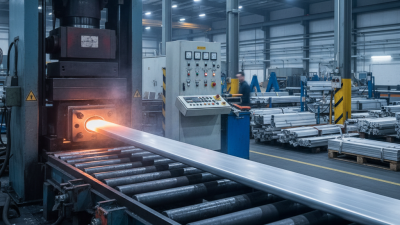
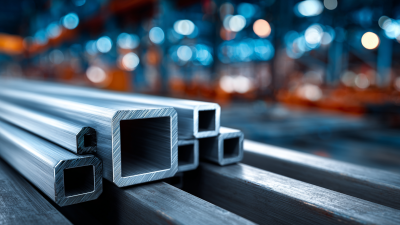
In the fast-changing world of Alu Extrusion, hearing what experts have to say really helps us get the bigger picture. Take John Smith, for example — he's a well-known consultant in this space, and he often points out that ‘The future of Alu Extrusion is all about innovation and sustainability.’ That really emphasizes how important it is for companies to adapt and keep moving forward.
Lately, China has been stepping up as a major player in exporting Alu Extrusion products, with companies like Aluminum Innovations leading the way. They’re really focusing on quality and efficiency, and honestly, they’ve set a pretty high standard for others to follow. But, it’s not all smooth sailing — issues like quality control and market saturation still pose real challenges. So, businesses need to keep a close eye on their strategies and stay flexible if they want to stay competitive.
Looking ahead, it’s clear that the road isn’t straightforward. There’s tons of potential, but getting comfortable could be a mistake — the market’s always moving, and companies need to be ready to embrace change, put resources into research, and understand the global landscape. The insights from industry leaders will really help guide us through these changes and keep us on track.
The Aluminum Extrusion industry in China is witnessing significant changes as we approach 2026. Companies are focusing on sustainability, aiming to reduce their carbon footprint. This push aligns with global trends toward environmentally friendly practices. As a result, many producers are adopting innovative recycling processes. They strive to turn old aluminum into new products efficiently.
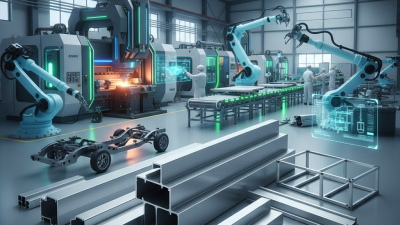
Another trend involves advanced manufacturing technologies. Automation is becoming essential. Factories are integrating artificial intelligence to improve production efficiency. However, some manufacturers struggle to adapt. There are issues with outdated machinery and workforce training. It may take time to fully embrace these new tools.
Tips: Invest in training programs. Educate employees on new technologies. Creating a knowledgeable workforce can boost productivity. Also, consider collaborating with research institutions. This can provide insights into sustainable practices. Staying updated on trends is key. Implementing small changes now can lead to major improvements later.
In recent years, China's aluminum extrusion industry has seen significant growth. According to industry reports, the market for aluminum extrusions reached approximately $50 billion in 2022. This growth is driven by increasing demand for lightweight materials in sectors such as automotive and construction. However, key players in CE certification must navigate complex regulatory landscapes to maintain competitiveness.
Several leading companies are actively pursuing CE certification. This certification ensures products meet European health and safety standards. Yet, achieving this certification can be challenging. Many manufacturers report difficulties in understanding evolving EU regulations. Some companies also struggle with the rigorous testing and documentation required. This can lead to delays and increased costs, affecting the overall supply chain.
Furthermore, the industry faces pressure to innovate. Adapting to new technologies while ensuring compliance is vital. Data shows that companies investing in research and development see a 20% higher growth rate. Nonetheless, not all players in the market are leveraging these opportunities. Many still rely on traditional methods, which may hinder their potential in a rapidly changing environment. This gap in strategy presents both a challenge and an opportunity for future growth.
| Exporter Type | Annual Export Volume (tons) | CE Certification Year | Main Application Industries | Export Destinations |
|---|---|---|---|---|
| Large Scale Exporter | 50,000 | 2021 | Construction, Automotive | Europe, USA |
| Medium Scale Exporter | 30,000 | 2022 | Electronics, Machinery | Asia, Australia |
| Small Scale Exporter | 10,000 | 2023 | Furnishing, HVAC | Middle East, Africa |
| Emerging Exporter | 5,000 | 2024 | Consumer Goods, Packaging | Latin America |
CE certification plays a crucial role in the global aluminum export markets. It establishes quality standards that exporters must meet. In 2023, researchers noted that nearly 70% of aluminum products exported to Europe required CE certification. This certification helps in ensuring safety, health, and environmental protection.
The demand for certified aluminum extrusion rose significantly. Reports indicated a 15% increase in products meeting CE standards. Economies focused on sustainability favor certified materials. Countries like Germany and France show higher demand for compliant products. There is a potential gap for non-certified suppliers. This might limit their market access in Europe.
However, compliance is not straightforward. Many exporters face challenges in meeting CE requirements. Compliance costs can be significant, affecting profit margins. A report projected that 40% of small exporters struggle with certification. It reveals a need for better support and resources. The industry must reflect on these challenges to enhance market adaptability.
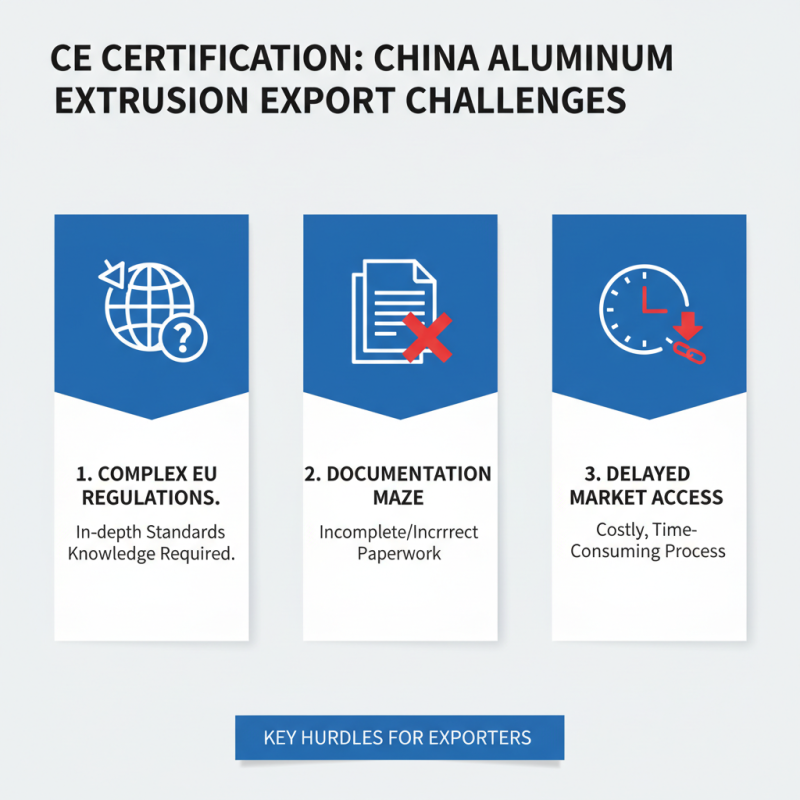
Achieving CE certification can be a daunting task for exporters of aluminum extrusions in China. One major challenge involves navigating complex regulations. Understanding the European Union's standards requires in-depth knowledge. Many exporters struggle with the documentation process. Incomplete or incorrect paperwork can delay certification.
Another significant hurdle is the testing phase. Exporters must ensure their products meet stringent safety and performance criteria. This often necessitates investing in updated testing equipment. For smaller companies, this is a financial strain. Furthermore, quality control procedures must be established, which adds to operational complexity.
Sustainability is also a growing concern among buyers in Europe. Many exporters find it challenging to source eco-friendly materials. There is an increasing demand for transparency in supply chains. Meeting these expectations requires commitment and innovation. Without adaptation, companies risk falling behind in a competitive market. This shifting landscape requires exporters to continuously reflect on their practices and adapt strategies accordingly.
The aluminum extrusion industry is undergoing a technological transformation. Innovative technologies are helping manufacturers meet stringent compliance standards. In 2023, over 70% of companies reported investing in advanced processing techniques. These methods enhance efficiency while ensuring product quality.
One key focus is automation. Automated systems streamline production. This leads to reduced human error and increased output. In a recent report, 65% of surveyed companies noted significant improvements in their production timelines. However, not all companies manage this transition smoothly. Resistance to change often hampers progress.
Another important aspect is the use of compliance monitoring tools. These technologies provide real-time data on material specifications. They help ensure that all products meet industry regulations. Despite this, some manufacturers struggle to adopt these tools. Budget constraints often delay implementation. As the market evolves, companies must reflect on their strategies. Embracing innovation is essential for staying competitive.
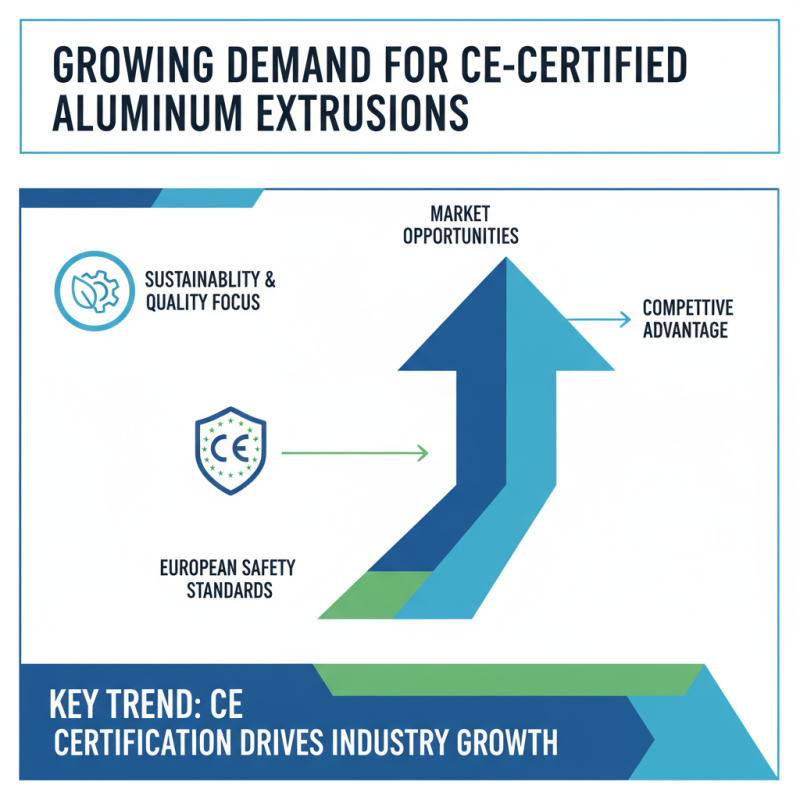
The demand for CE certified aluminum extrusions is rapidly growing. This trend indicates significant market opportunities. Industries are increasingly focused on sustainability and quality. CE certification ensures that products meet European safety standards. Companies can leverage this trend for competitive advantage.
Tips: Invest in understanding CE certification requirements. This can guide your manufacturing processes. A solid grasp of these standards can attract more customers.
Adopting CE certified aluminum extrusions can lead to better market positioning. However, achieving certification can be challenging. Companies must navigate complex regulations and maintain product quality. It requires ongoing commitment and improvement. Businesses should regularly review their compliance processes. Failing to adapt might result in missed opportunities.
Tips: Regular training for staff is crucial. This helps ensure everyone is up-to-date on certification measures. Create feedback loops to identify potential areas for improvement.
Recent regulatory changes are reshaping the aluminum extrusion export landscape in China. New standards now demand enhanced environmental compliance. Exporters must adapt to these stringent measures. Failing to comply could lead to penalties or denied shipments. Companies are scrambling to understand these obligations.
The push for cleaner production processes is gaining momentum. Some businesses find it challenging to meet the new requirements. This is particularly true for small and medium enterprises. They may lack resources for necessary adjustments. The transition can seems daunting, yet it also offers opportunities for innovation.
Navigating these regulations requires a proactive approach. Companies should invest in training and development. Staying informed about policy changes is essential. This can prevent unexpected disruptions. Collaboration among industry players could also foster more sustainable practices. Embracing these changes may ultimately lead to a stronger market position.
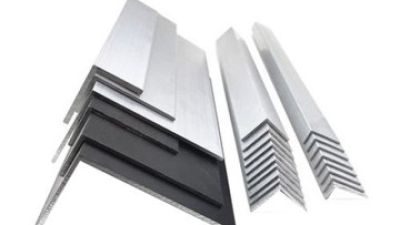
The aerospace and automotive industries demand precision and reliability in every component, making the role of 6063 L shape CNC machining aluminum extrusion increasingly significant. These L-shaped aluminum profiles, defined by their 90° angles, are essential in the structural frameworks of various applications, from aircraft assemblies to automotive bodyworks. Their lightweight nature combined with high strength ensures that vehicles and aircraft can achieve improved fuel efficiency and enhanced performance.
Manufacturers can customize these L-shaped profiles to meet specific requirements, accommodating different lengths and dimensions. This flexibility allows designers in the aerospace and automotive sectors to create innovative solutions that cater to unique design specifications. By utilizing advanced CNC machining techniques, they can achieve intricate designs that not only fulfill functional criteria but also enhance the aesthetic appeal of the final product. As manufacturers continuously push for greater efficiency and performance, the capabilities of 6063 aluminum extrusion will remain a pivotal element in meeting these industry standards.
: The articles discuss various health and wellness topics, highlighting common practices and tips.
Establish a sleep routine. Limit screen time before bed. Create a comfortable environment.
Regular exercise boosts mood, improves energy levels, and supports overall health. It’s crucial for stress management.
Staying hydrated is vital. It aids digestion, maintains energy, and can improve skin health.
Include fruits, vegetables, lean proteins, and whole grains. Variety is essential for nutrition.
Yes, stress can lead to headaches, fatigue, and other issues. Finding coping strategies is essential.
Many neglect rest days or skip meals. Balance is key, and overdoing can lead to burnout.
Mindfulness can help many. However, it may take practice and might not suit everyone’s style.
Journaling or using apps can help. Set realistic goals and celebrate small achievements.
Time constraints are often a challenge. Finding small pockets of time can make a difference.
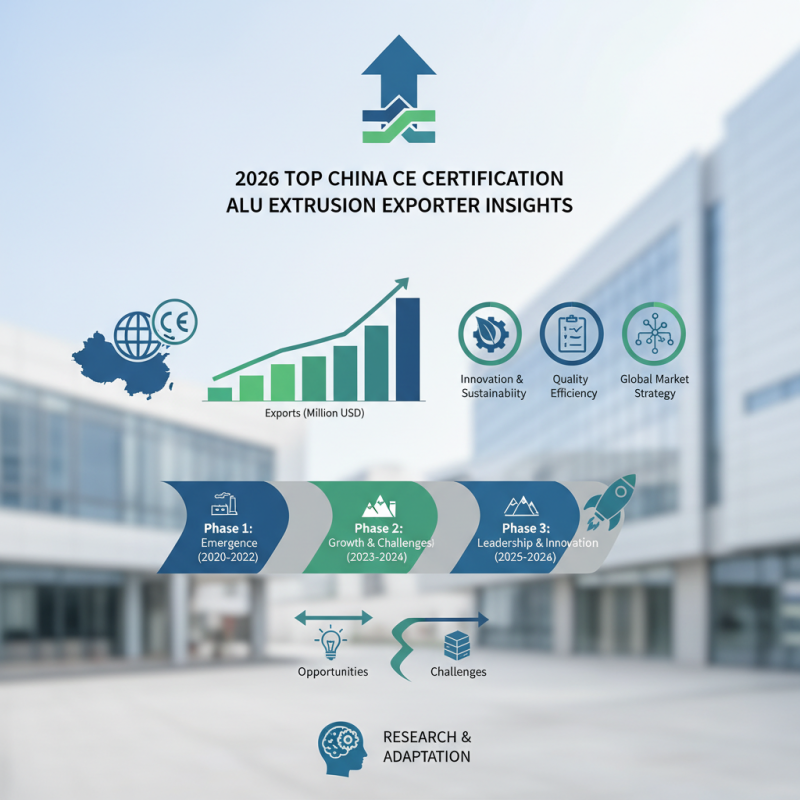
The article titled "2026 Top China CE Certification Alu Extrusion Exporter Insights" explores significant trends shaping the aluminum extrusion industry in China as it approaches 2026. Key insights include the pivotal role of CE certification in enhancing global competitiveness and the challenges exporters face in achieving compliance. The analysis highlights the innovative technologies being adopted to meet certification requirements and discusses the emerging market opportunities for CE certified aluminum extrusions. Additionally, it addresses the evolving regulatory landscape that impacts aluminum extrusion exports, emphasizing the need for exporters to stay ahead of compliance and market dynamics.
Overall, the landscape for alu extrusion exports from China is evolving, with a focus on innovation and compliance. As international markets increasingly favor certified products, the pressures and opportunities for Chinese exporters are expected to intensify, making adherence to CE standards crucial for success.