When it comes to construction and architecture, you really can’t overstate how important window aluminium profiles are. I mean, industry expert John Smith, who's a senior engineer at Innovate Build Solutions, puts it perfectly when he says, “A well-designed window aluminium profile not only boosts the building’s look but also helps save energy.” As more people start favoring stylish yet eco-friendly design options, it becomes super important for architects and builders to get a good grasp on the benefits, different types, and ways these profiles are used.
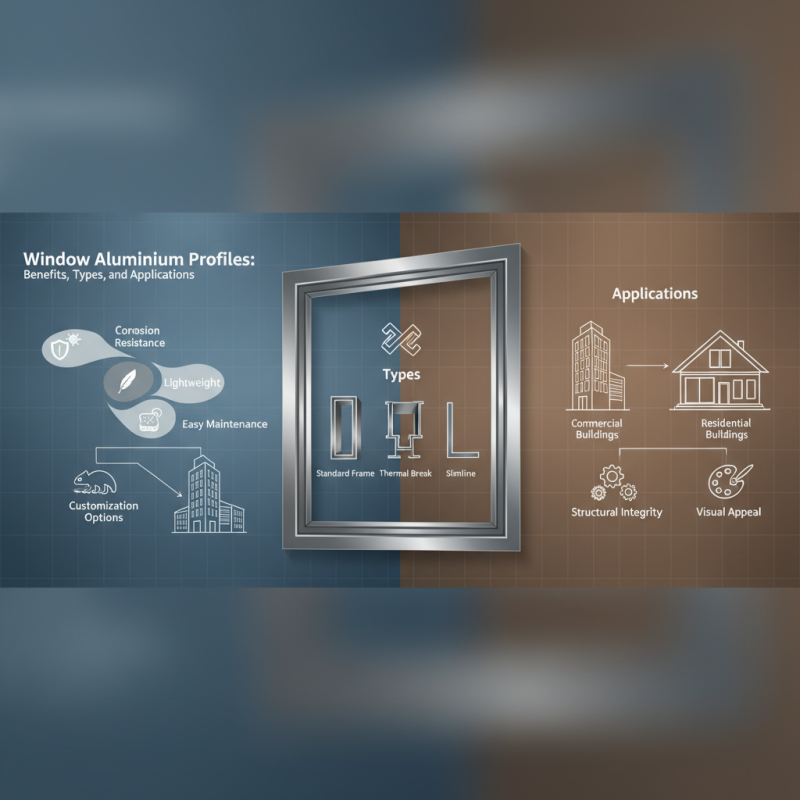
These window aluminium profiles are pretty versatile and tough, making them a go-to in lots of different construction projects. They come with plenty of perks—like resisting rust, being lightweight, and not needing much upkeep. Plus, they’re highly customizable, so whether you're into sleek modern styles or more classic designs, there's definitely something that fits your vision.
As we dig into this topic, we'll look at the various types of window aluminium profiles out there and see how they’re used in both commercial and residential buildings. By breaking down their features and applications, I hope to share some useful insights on how these profiles can really boost both the strength and visual appeal of modern structures.
What is a Window Aluminium Profile?
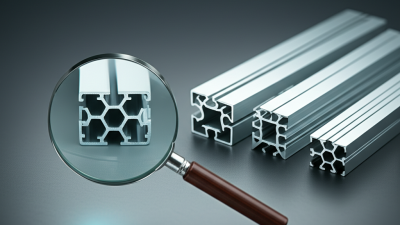
A window aluminium profile is a specialized architectural component made from high-strength aluminium alloys, designed primarily for the construction of window frames. These profiles are engineered to provide durability, aesthetic appeal, and energy efficiency. According to a report by Research and Markets, the global aluminium windows market size was valued at approximately USD 80 billion in 2022 and is expected to grow due to increasing urbanization and the demand for energy-efficient building materials.
One of the key attributes of window aluminium profiles is their lightweight yet robust nature, allowing for larger window designs without compromising structural integrity. Additionally, they are resistant to corrosion, which significantly increases the lifespan of window installations. The thermal break technology incorporated into many aluminium profiles enhances their thermal performance, thus improving energy conservation in buildings. The International Energy Agency (IEA) notes that enhanced window technologies are critical in achieving energy savings in residential buildings, with potential reductions in energy consumption by up to 30% in some cases.
Different types of window aluminium profiles include casement, sliding, and tilt-and-turn designs, each serving specific functional and aesthetic purposes. With the architecture industry leaning towards modern, minimalist design trends, the versatility of aluminium profiles allows for seamless integration into various building styles while meeting stringent insulation and safety standards. Their adaptability makes them suitable for both residential and commercial applications, further supporting the growing demand for sustainable construction practices.
Key Benefits of Using Aluminium Profiles in Windows
Aluminium profiles have become a popular choice in window construction due to their exceptional strength-to-weight ratio and durability. According to the Global Aluminium Industry Report, the demand for aluminium windows is projected to grow by 6% annually over the next five years, reflecting their rising popularity in both residential and commercial applications. One of the key benefits of using aluminium profiles in windows is their resistance to corrosion, making them suitable for various climates and reducing maintenance costs. This longevity is particularly beneficial in coastal areas where windows are exposed to harsh sea conditions.
Moreover, aluminium profiles offer excellent thermal performance when combined with innovative insulation techniques. A study by the Aluminium Window Design Association indicated that well-designed aluminium windows can achieve a thermal transmittance (U-value) as low as 1.2 W/m²K. This makes them highly energy-efficient, helping to reduce heating and cooling costs while contributing to a lower carbon footprint. Additionally, the versatility of aluminium profiles allows for customizable designs that can accommodate various architectural styles, making them a preferred choice for modern building aesthetics. With these inherent advantages, aluminium profiles continue to play a crucial role in advancing energy-efficient and sustainable building practices.
What is a Window Aluminium Profile? Benefits, Types, and Applications Explained - Key Benefits of Using Aluminium Profiles in Windows
| Dimension | Details |
| Material | Aluminium |
| Weight | Lightweight |
| Durability | Corrosion-resistant |
| Insulation | Good thermal performance |
| Customization | Available in various colors and finishes |
| Applications | Residential and commercial buildings |
Different Types of Aluminium Window Profiles Available
Aluminium Window Profiles are essential components inmodern architecture, providing both functionality and aesthetic appeal. There are several types of aluminium window profiles available, each tailored to meet specific needs and architectural styles. For instance, casement window profiles are designed to open outward, creating a seamless flow of fresh air and natural light into a room. These profiles often feature a robust frame that enhances energy efficiency and security, making them a popular choice for residential and commercial buildings alike.
Another prominent type of aluminium window profile is the sliding window profile, which allows for smooth operation and maximizes space. These profiles are ideal for areas where traditional windows may be impractical, offering a contemporary look while ensuring durability and low maintenance. Additionally, fixed window profiles provide expansive views without compromising structural integrity, making them suitable for panoramic installations.
Each of these types provides unique advantages, and the choice among them often depends on the specific requirements of the building design and the preferences of the occupant.
Comparative Analysis of Aluminium vs Other Window Materials
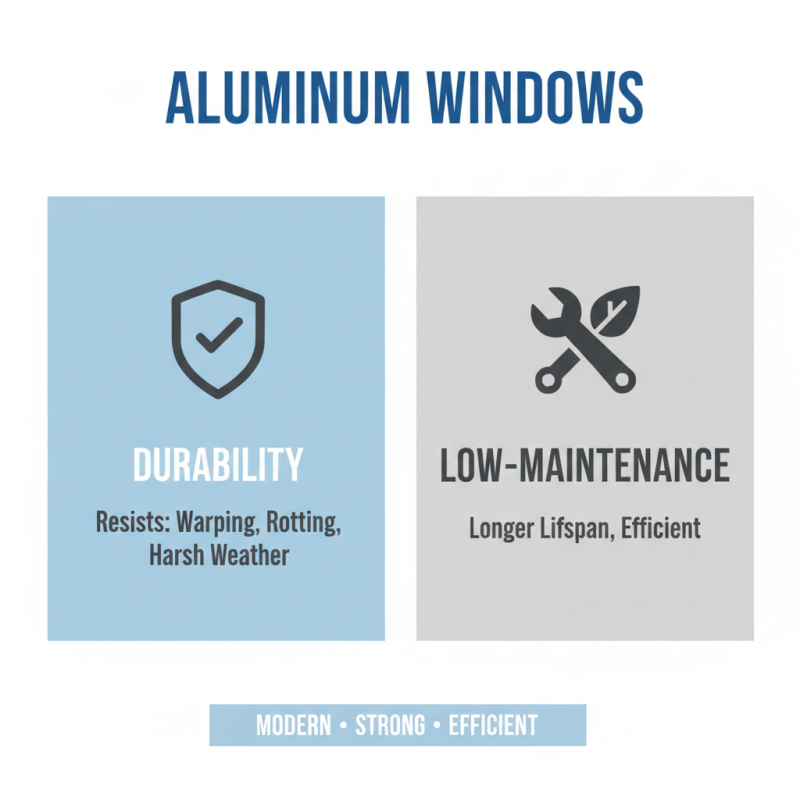
When it comes to window materials, aluminum is often compared to traditional choices such as wood and vinyl. One of the primary advantages of Aluminum Profiles is their durability. Unlike wood, which may warp or rot over time, aluminum is resistant to harsh weather conditions and does not degrade. This durability not only ensures a longer lifespan for aluminum windows but also makes them a low-maintenance option, ideal for homeowners looking for efficiency.
In contrast, vinyl windows can sag or fade over time, particularly in extreme temperatures. Though they provide good insulation, they lack the aesthetic flexibility of aluminum profiles, which can be finished in various colors and styles to match any architecture. Additionally, aluminum windows offer superior structural integrity, allowing for larger panes of glass and slimmer frames, creating a more modern, open feel in a home. Overall, while other materials may offer some advantages, the combination of longevity, aesthetic versatility, and structural strength makes aluminum profiles a compelling choice in window manufacturing.
Applications of Aluminium Profiles in Residential and Commercial Spaces
Aluminium profiles have increasingly become a popular choice for both residential and commercial spaces, owing to their durability and versatile application. In residential settings, they are commonly used in window frames, sliding doors, and curtain walls. The lightweight nature of aluminium, combined with its resistance to corrosion, makes it an ideal option for homes in diverse climates. According to a report by the Aluminium Association, residential buildings utilizing aluminium profiles can reduce energy costs by up to 25% due to improved thermal performance, promoting greater energy efficiency.
In commercial applications, aluminium profiles are prevalent in storefronts, office partitions, and even structural elements. Their ability to accommodate large glass surfaces while maintaining structural integrity makes them a favored choice among architects and builders. Additionally, the modern aesthetic appeal they provide aligns with contemporary design trends. Research indicates that approximately 33% of newly constructed commercial buildings now feature aluminium profile systems, reflecting their growing significance in the market.
Tips: When selecting aluminium profiles for your project, consider energy efficiency ratings and thermal insulation properties to not only enhance comfort but also potentially decrease utility costs. Moreover, ensure the profiles selected meet local building codes and standards for safety and sustainability.
Factors to Consider When Choosing Aluminium Window Profiles
When choosing aluminium window profiles, several factors should be taken into account to ensure optimal performance and aesthetics. First, the thermal efficiency of the profiles is paramount. Aluminium can conduct heat, so selecting profiles that feature thermal breaks—insulating materials placed between the interior and exterior walls—can significantly enhance energy efficiency. This is particularly important in regions with extreme temperatures, as it helps maintain indoor comfort while reducing energy costs.
Another crucial consideration is the design and style of the profiles. Aluminium offers versatility in finishes, colors, and shapes, enabling homeowners and builders to select profiles that complement their architectural vision. Whether it’s contemporary, traditional, or something in between, the right design can elevate the overall appearance of the building. Additionally, it’s essential to assess the structural integrity and durability of the profiles; selecting high-quality materials will ensure longevity and resistance to environmental factors, such as weather and corrosion. By carefully evaluating thermal efficiency, design compatibility, and durability, one can select the ideal aluminium window profiles that align with specific needs and preferences.
Maintenance and Care Tips for Aluminium Window Profiles
Aluminium window profiles are known for their durability and low maintenance requirements, but proper care can enhance their longevity and appearance. Regular cleaning is essential; using a mild detergent mixed with water, along with a soft cloth or sponge, can remove dirt and grime without scratching the surface. According to industry reports, routine maintenance can extend the lifespan of aluminium window profiles by up to 15 years, making it not only a practical choice but a smart investment in home improvement.
Additionally, inspecting the seals and gaskets on a regular basis can prevent moisture infiltration, which could lead to corrosion or structural damage over time. Experts recommend checking these components at least twice a year, ensuring they remain intact and functioning properly. In regions subjected to heavy rainfall or harsh weather conditions, regular checks become even more critical, as the environment can contribute to wear and tear. By adhering to these maintenance tips, homeowners can maintain the aesthetics and functionality of aluminium window profiles, ensuring they remain a valuable asset for years to come.
Enhancing Home Security and Energy Efficiency: Insights from the 2023 Roller Shutter Market Analysis on Premium Aluminum Solutions
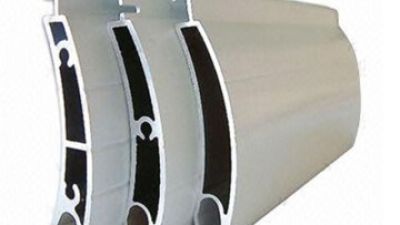
In the pursuit of enhanced home security and energy efficiency, the 2023 roller shutter market analysis highlights the benefits of premium aluminum solutions. These advanced roller shutters not only deliver robust protection against potential intrusions but also provide essential insulation to maintain comfortable indoor temperatures year-round. The durable construction of aluminum ensures that these shutters withstand the elements, offering long-lasting performance that homeowners can depend on.
Moreover, aluminum roller shutters are designed with noise reduction capabilities, making them an ideal choice for urban environments where external noise can be a significant disturbance. Their sleek and modern appearance complements various architectural styles, providing a streamlined look that enhances the overall aesthetic of any property. The ease of installation and operation further adds to their appeal, allowing homeowners to effortlessly manage light, privacy, and security at the push of a button. By choosing aluminum roller shutters, you can invest in a solution that not only safeguards your home but also contributes to energy efficiency and comfort.
FAQS
: Aluminium window profiles are essential components in modern architecture that provide functionality and aesthetic appeal, tailored to meet specific needs and architectural styles.
The primary types include casement window profiles, which open outward; sliding window profiles for smooth operation and maximized space; and fixed window profiles, which offer expansive views without compromising structural integrity.
Aluminium profiles are durable, resistant to corrosion, and can improve energy efficiency by reducing energy costs by up to 25% due to their thermal performance, making them ideal for various climates.
In commercial applications, aluminium profiles are commonly found in storefronts, office partitions, and structural elements, accommodating large glass surfaces while maintaining structural integrity and aligning with modern design trends.
Regular cleaning with mild detergent and a soft cloth is essential to remove dirt and grime. Inspecting the seals and gaskets at least twice a year is also recommended to prevent moisture infiltration.
Routine maintenance can extend the lifespan of aluminium window profiles by up to 15 years, enhancing both their appearance and longevity.
Consider energy efficiency ratings and thermal insulation properties to enhance comfort and potentially decrease utility costs, while ensuring the profiles meet local building codes and standards.
Sliding window profiles offer smooth operation, maximize space, and provide a contemporary look, making them ideal for areas where traditional windows may be impractical.
Fixed window profiles provide expansive views without compromising structural integrity, making them suitable for panoramic installations.
The lightweight nature of aluminium, along with its resistance to corrosion, makes it an ideal option for homes, particularly in diverse climates.
Conclusion
A Window Aluminium Profile is a crucial component in modern window design, offering durability and aesthetic appeal. One of the key benefits of using aluminium profiles in windows is their lightweight nature combined with strength, making them ideal for various architectural styles. Additionally, aluminium profiles are highly resistant to corrosion and weathering, ensuring long-lasting performance in both residential and commercial applications.
Different types of aluminium window profiles are available, catering to diverse needs and preferences. When comparing aluminium to other window materials, such as wood or uPVC, it becomes clear that aluminium offers superior strength and energy efficiency. Choosing the right Window Aluminium Profile involves considering several factors, including design, thermal performance, and maintenance requirements. Proper care and maintenance can further enhance the longevity of these profiles, making them an excellent investment for any building project.