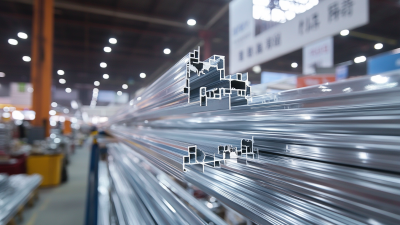
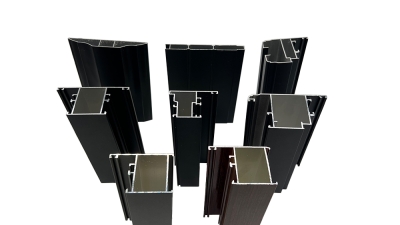
You know, the aluminium industry is really changing fast these days, and Profiled Aluminium? It’s absolutely crucial for modern architecture and some cutting-edge manufacturing practices. A recent report from Grand View Researcheven suggests that the global Aluminium Extrusion market is set to hit aroundUSD 130.45 billion by 2025. That’s a pretty big deal, especially with the rising demand in areas like construction and automotive.
Take Foshan City One Alu Aluminum Co., Ltd., for example. With over 19 years in the aluminium profile business, we’re all about a wide range of products – think door and window profiles, kitchen cabinet profiles, roller shutters, and even curtain walls. As we look ahead to future innovations in profiled aluminium, it’s gonna be super important for us to tweak our manufacturing strategy.
You know, things like improving our after-sales service and cutting down maintenance costs will really help us meet customer expectations and stay ahead in over 50 countries around the globe. It’s an exciting time!
Future Trends in Aluminium Profiling Technology
You know what? The future of aluminium profiling technology is gearing up for some pretty exciting changes that are really going to shake up how manufacturing works. As companies look for ways to be more efficient and eco-friendly, we’re seeing some cool stuff like automated profiling machines and smart manufacturing taking center stage. These new technologies are harnessing the power of artificial intelligence and machine learning to streamline production, which means less waste and way more precision when it comes to profiling. Manufacturers who jump on this bandwagon can look forward to not just boosting their productivity but also being able to tweak profiles in a way that perfectly meets what their clients want.
And let’s not overlook the importance of being green – it’s becoming crucial. The trends are definitely leaning towards using recycled aluminium and energy-smart production techniques. By getting on board with these eco-friendly practices, businesses aren’t just checking off boxes for regulations; they're also attracting a whole bunch of eco-aware consumers. As the need for lightweight but super strong materials grows in industries like automotive and construction, manufacturers are going to need to rethink their game plan and invest in cutting-edge tech if they want to stay in the race. Embracing these trends isn’t just a good idea; it’s pretty much essential for adapting to the changing world of aluminium profiling and ensuring they thrive in the long run.
The Role of Automation in Enhancing Manufacturing Efficiency
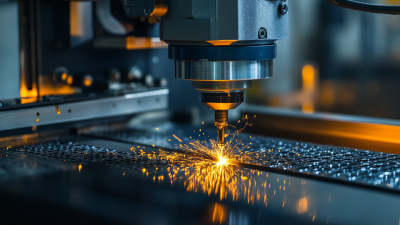
You know, automation is really shaking things up in the manufacturing world, especially when it comes to making aluminium products with specific profiles. By bringing in some of these cutting-edge automation technologies, manufacturers are ramping up their efficiency, accuracy, and speed like never before. It’s a game changer! Not only does this cut down on those pesky human errors, but it also makes the whole process smoother—from how materials are handled all the way to the finishing touches. With all these robots and automated machines doing their thing, companies can keep their quality consistent and adapt to whatever production demands come their way without breaking a sweat.
And here’s the kicker: automation lets manufacturers keep an eye on things in real-time and dive deep into data analytics, which means they can constantly tweak their workflows. By using IoT devices and smart sensors, businesses are getting the lowdown on how their equipment is performing and when it needs maintenance, which helps keep downtime to a minimum. It’s pretty cool! This tech integration also means they can switch up their manufacturing strategies quickly, keeping pace with market shifts and what customers want—without dropping the ball on quality or efficiency. So really, investing in automation isn’t just some passing trend; it’s a vital move for manufacturers who want to succeed in today’s tough market.
Future Innovations in Best Profiled Aluminium and How to Adapt Your Manufacturing Strategy - The Role of Automation in Enhancing Manufacturing Efficiency
| Innovation Type | Description | Benefits | Manufacturing Strategy Adaptation | Automation Role |
| 3D Printing | Utilizing additive manufacturing for complex shapes | Reduced material waste, increased design flexibility | Integrate 3D printing workflow into existing processes | Enhances production speed and customization |
| Advanced Coatings | Applying innovative coatings for durability | Improved resistance to corrosion and wear | Adopt automated coating application technologies | Increases throughput and quality control |
| Data Analytics | Using data to inform production decisions | Optimized resource usage and minimized downtime | Integrate IoT devices for real-time monitoring | Supports predictive maintenance and efficiency |
| Robotics | Employing robotic systems for handling and assembly | Increased precision and reduced manual labor | Reconfigure layout to accommodate robotic systems | Enhances speed and lowers operational costs |
| Smart Manufacturing | Leveraging AI and machine learning for operations | Enhanced process efficiency and resource management | Implement smart technologies into workforce training | Improves decision-making and adapts to market changes |
Sustainability Practices in Aluminium Production Processes
You know, the aluminum industry is really feeling the heat when it comes to adopting sustainable practices. Companies are starting to rethink how they do things to keep up with global environmental goals. Honestly, the push for sustainability couldn’t be more urgent right now, especially with all the tech advances offering fresh ways to cut down on carbon emissions. New initiatives are popping up that aim to reduce the carbon footprint of aluminum production, and recycling is becoming an essential part of the industry’s future.
So, if companies want to boost their sustainability game, they should consider investing in cool tech that makes energy use more efficient. For instance, having electromagnetic stirring systems can really optimize melting and casting processes. On top of that, teaming up with startups that focus on sustainability is key. These partnerships can lead to innovative solutions and help streamline operations.
And, let’s not forget about logistics! Improving systems, like using advanced railways for quick material discharge, can really help lessen environmental impacts while making operations run smoother.
As the manufacturing landscape changes, embedding sustainability into every area of aluminum production isn’t just about following regulations; it’s also a way for companies to become leaders in a market that’s increasingly eco-conscious. Honestly, if you want to thrive in the competitive aluminum manufacturing scene, adapting to these shifts is going to be a must!
Future Innovations in Best Profiled Aluminium Manufacturing
This chart shows the projected emissions reduction percentages in aluminium production processes through the adoption of innovative sustainability practices over the next five years.
Adapting Manufacturing Strategies to Address Global Market Needs
You know, in today’s fast-paced world of global manufacturing, it’s super important to adapt your strategies to meet what the market wants, especially when it comes to the aluminium profiling sector. As new innovations pop up, companies really need to switch gears and align with current trends and what customers are looking for. By being flexible and putting sustainability at the forefront, manufacturers can not only stay ahead of the competition but also do their part to help the planet out.
Here’s a thought: think about integrating some cutting-edge tech like automation and AI into your production processes. Not only does this boost efficiency, but it also helps cut down on waste. Plus, investing in research and development can open up doors to eco-friendly materials and processes that help reduce your carbon footprint.
And don’t overlook the power of collaboration! Building partnerships and integrating your supply chain can really make a difference. Engaging with suppliers and customers gives you invaluable insights into what the market is buzzing about and the demands that are emerging. This way, your manufacturing strategy isn’t just reactive; it’s proactive, ready to grab onto new opportunities.
Also, make it a habit to regularly check in on market trends and listen to customer feedback. Using data analytics tools can be a game-changer, letting you predict shifts in demand so you can tweak your manufacturing strategy just in time.
Innovative Design Approaches for Aluminium Products
You know, as more and more people are looking for aluminium products, it’s becoming super important for companies to get creative with their designs to really stand out in such a crowded market. One big trend that’s popping up is the move towards lighter and stronger profiles, which are really useful in industries like automotive and construction. With the help of advanced materials and some clever engineering, manufacturers can whip up aluminium profiles that not only cut down on weight but also boost structural strength. This means better performance and efficiency all around—pretty neat, right?
On top of that, the way we’re using digital tech in the design process is really changing the game for aluminium products. Tools like Computer-Aided Design (CAD) and 3D modeling give designers way more room to be precise and creative when they’re making custom designs that fit their clients' needs perfectly. Plus, with simulation tools, manufacturers can run tests and tweak their profiles in various conditions before they even hit the production line, which helps cut down on waste and improves quality control. By hopping on board with these fresh design ideas, manufacturers can really streamline their processes and create aluminium products that truly shine in the marketplace.
Challenges and Solutions in Scaling Up Aluminium Production
You know, the aluminium industry is really up against it when it comes to ramping up production in a sustainable way. One big hurdle is its heavy reliance on natural gas for making secondary aluminium, and that’s a huge contributor to carbon emissions. To make things better, we really need some fresh ideas—like tapping into waste heat recovery or using renewable energy. Moving towards energy sources such as hydrogen, which can be created through renewable means like solar and wind, is a game-changer. This shift could help manufacturers cut down on their carbon footprint and make aluminium production way more sustainable.

On top of that, adopting cutting-edge tech is super important for tackling these issues. These days, companies are getting savvy with digital solutions to streamline their processes, boost efficiency, and trim down waste. For example, the latest advancements in hydrogen production and storage are opening up new paths for how energy is managed in aluminium manufacturing, which ties right into the idea of a circular economy. By investing in smart manufacturing approaches, businesses not only hit their sustainability targets but also get better at scaling and adapting in this fast-paced market. Honestly, the future of aluminium production depends on overcoming these challenges and embracing those transformative technologies that can lead us towards a greener industry.
Exploring Mauritius: A Customized Aluminium Profile Range for Effortless Window and Door Solutions
Mauritius, known for its stunning landscapes and vibrant culture, is increasingly becoming a hub for innovative building solutions, particularly in the realm of window and door installations. The recent trend toward customized aluminium profiles is transforming the architectural landscape, offering both functional and aesthetic advantages. ONE ALU Aluminium, a leading manufacturing company based in China, has effectively targeted the Mauritian market, leveraging over a decade of experience in exporting high-quality aluminium window and door profiles.
Industry reports indicate that the demand for aluminium solutions in the African market, particularly in Mauritius, is projected to grow at a compound annual growth rate (CAGR) of 5.7% through 2027. This growth can be attributed to the increasing emphasis on energy-efficient and durable building materials. Aluminium profiles provide superior resistance to corrosion and weathering, making them an ideal choice for the diverse climatic conditions found in Mauritius. Moreover, the customization of these profiles facilitates flexibility in design, allowing architects and builders to create modern and functional spaces that resonate with the island's unique aesthetic.
ONE ALU Aluminium not only offers a comprehensive range of products that meet diverse architectural needs but also provides valuable insights and assistance for importing materials. Engaging with local businesses and understanding the specific requirements of the Mauritian market allows them to ensure high-quality solutions that are tailored to local preferences and regulations. With their expertise, clients can navigate the complexities of importing aluminum profiles while benefiting from the latest innovations in design and functionality.
FAQS
: The key innovations include automated profiling machines and smart manufacturing processes that utilize artificial intelligence and machine learning to optimize workflows, reduce material waste, and increase precision.
Manufacturers can expect enhanced productivity and improved customization of profiles to meet specific client demands by embracing these technological innovations.
Integrating eco-friendly solutions, such as recycled aluminium and energy-efficient production methods, helps companies comply with environmental regulations and appeal to environmentally conscious consumers.
A significant challenge is the reliance on natural gas for secondary aluminium production, which contributes to high carbon emissions.
Solutions such as waste heat recovery, renewable energy integration (e.g., hydrogen from solar and wind), and advanced digital technologies can help decarbonize aluminium production.
Companies should integrate advanced technologies, prioritize sustainability, assess market trends, and foster collaboration with stakeholders to align their strategies with contemporary customer needs.
Investing in R&D allows manufacturers to explore environmentally friendly materials and processes, which can lead to reduced carbon footprints and improvements in sustainability practices.
Data analytics can help manufacturers regularly assess market trends and customer feedback, enabling timely adjustments to their manufacturing strategies to predict shifts in demand.
Digital solutions optimize processes, improve efficiency, reduce waste, and support the emergence of smart manufacturing, contributing to a more sustainable and scalable production model.
The future of aluminium production seems to hinge on a commitment to overcome sustainability challenges and embrace transformative technologies for a greener industry.