Leave Your Message
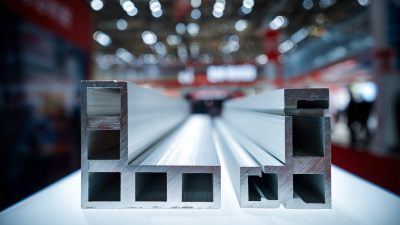
When it comes to outdoor living these days, picking the right features can really make a difference—think comfort, style, and just how inviting your space feels. One trend that’s been catching on big time is the Wind-Resistant Pergola. More and more homeowners are looking to create outdoor setups that are not only good-looking but also tough enough to handle whatever weather throws at them. That’s why investing in a pergola that can stand up to the elements has become pretty much a must. With over 19 years under our belt in the aluminum profile biz, Foshan City One AlU Aluminum Co., Ltd. knows a thing or two about top-notch products—think door and window aluminum profiles, kitchen cabinet frames, roller shutters, and curtain walls. We’re confident we can help you find the perfect Wind-Resistant Pergola, one that suits your outdoor space and lifestyle while keeping you protected and adding a touch of elegance. So, let’s Dive into this guide to help you pick the best pergola that really works for you and makes your outdoor time even better.
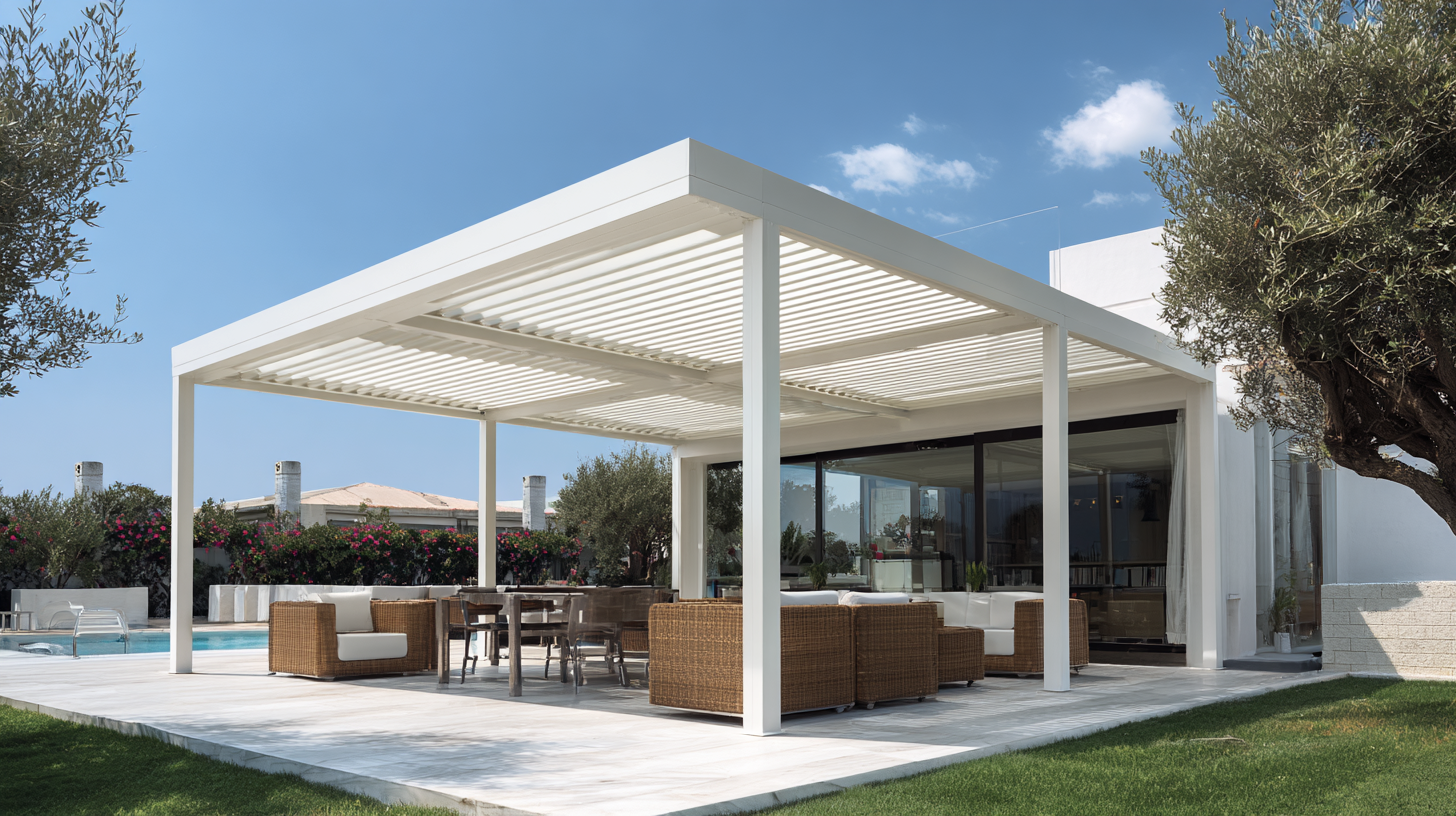
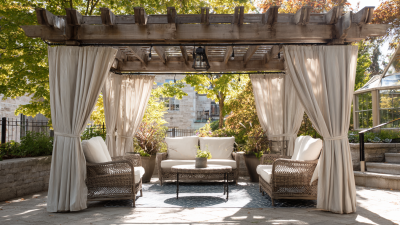
When you're choosing a wind-resistant pergola for your outdoor space, it’s really helpful to know what features actually make it sturdy and stable. For starters, the materials used are a big deal. Pergolas built with good-quality aluminum or heavy-duty wood tend to handle strong winds way better than lighter, cheaper options. And the design? That’s just as important. Something like a low-profile structure with a sloped roof can actually help reduce wind resistance and stop it from getting lifted during a storm.
Another key point to think about is how the pergola is anchored. A solid anchoring system—think concrete footings or sturdy brackets—can make a huge difference in keeping everything stable. And if you add adjustable side panels or windbreaks, that’s even better, since they give extra protection from gusts without sacrificing outdoor comfort. By keeping an eye on these features, you can make sure your pergola not only looks great but is also built to handle whatever weather throws its way.
Enhancing your outdoor experience with bioclimatic aluminum pergolas has become a popular trend, especially with their exceptional waterproof capabilities for patios. According to a report by the Outdoor Industry Association, 37% of consumers are now investing in outdoor living spaces, reflecting a growing appreciation for comfort and functionality in exterior design. A bioclimatic aluminum pergola presents an ideal solution, combining durability with versatility. Made from sturdy aluminum, these structures can endure harsh weather conditions, ensuring that your outdoor space remains inviting year-round.
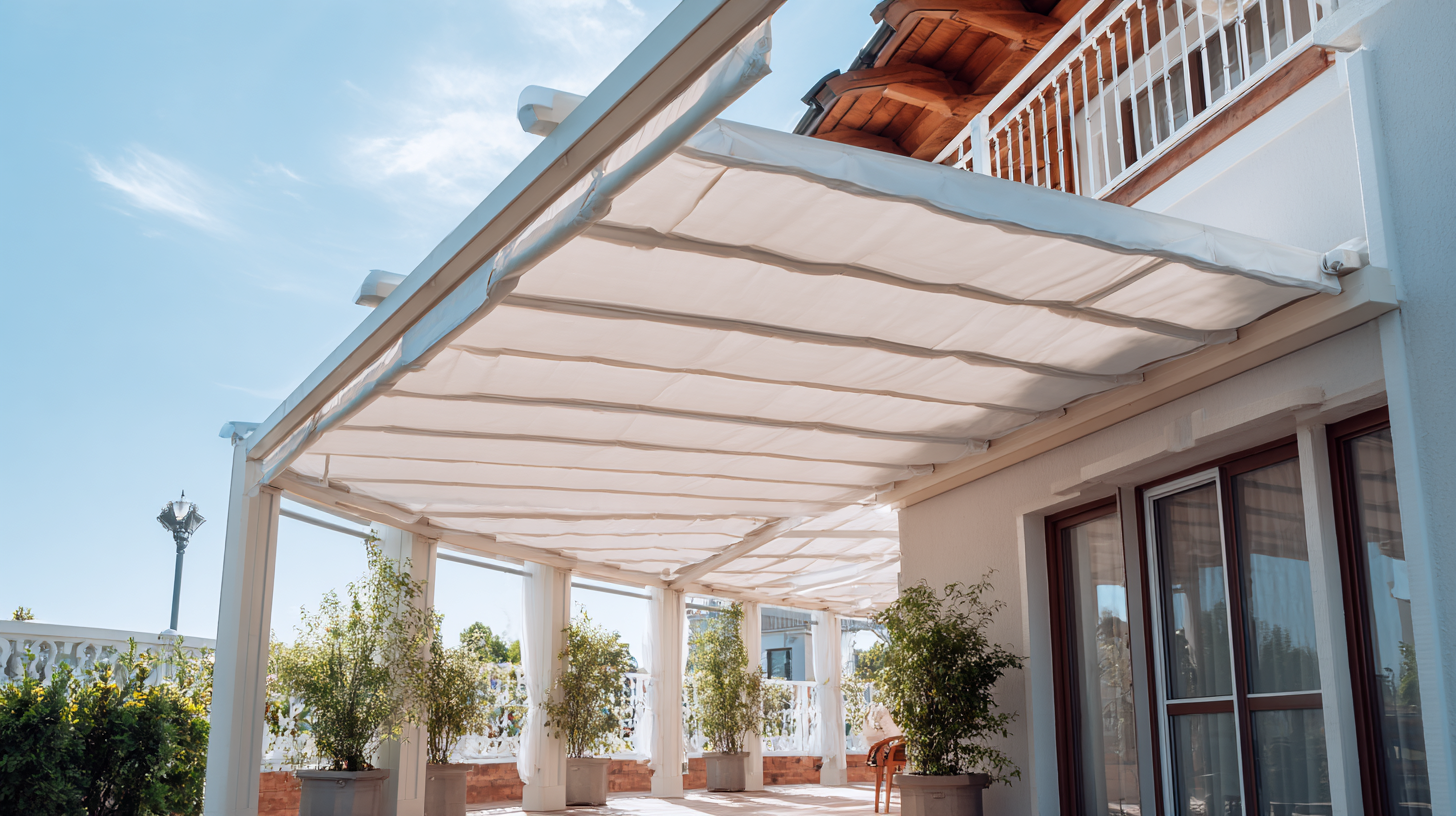
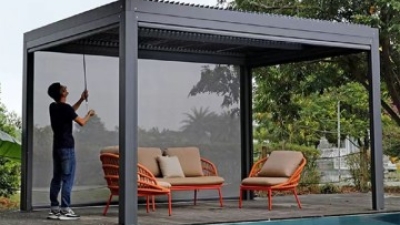
One of the key features of bioclimatic aluminum pergolas is their innovative waterproof louvered roof. The manual adjustment of the louvers allows you to tailor the angle of sunlight, creating a pleasant ambiance during sunny days. A study by the American Society of Landscape Architects found that properly designed shading can reduce cooling costs by up to 50%. This adaptability not only provides comfort by controlling the amount of sunlight entering your space but also enhances your overall outdoor experience. As you can enjoy the outdoors without the harsh effects of direct sunlight or rain, the pergola effectively transforms your patio into a stylish retreat for relaxation and entertainment.
: High-quality aluminum or heavy-duty wood are recommended materials for wind-resistant pergolas as they can better withstand strong winds compared to lighter materials.
A low-profile structure with a sloped roof can minimize wind resistance and prevent uplift during storms, while designs that include wind-break features, such as lattice or slats, help deflect wind.
Secure anchoring systems often utilizing concrete footings or brackets are ideal, as they enhance the stability of the pergola against high winds.
Embedding the posts in concrete footings, using larger post sizes and thicker beams, and employing cross-bracing techniques can greatly enhance the stability of a pergola.
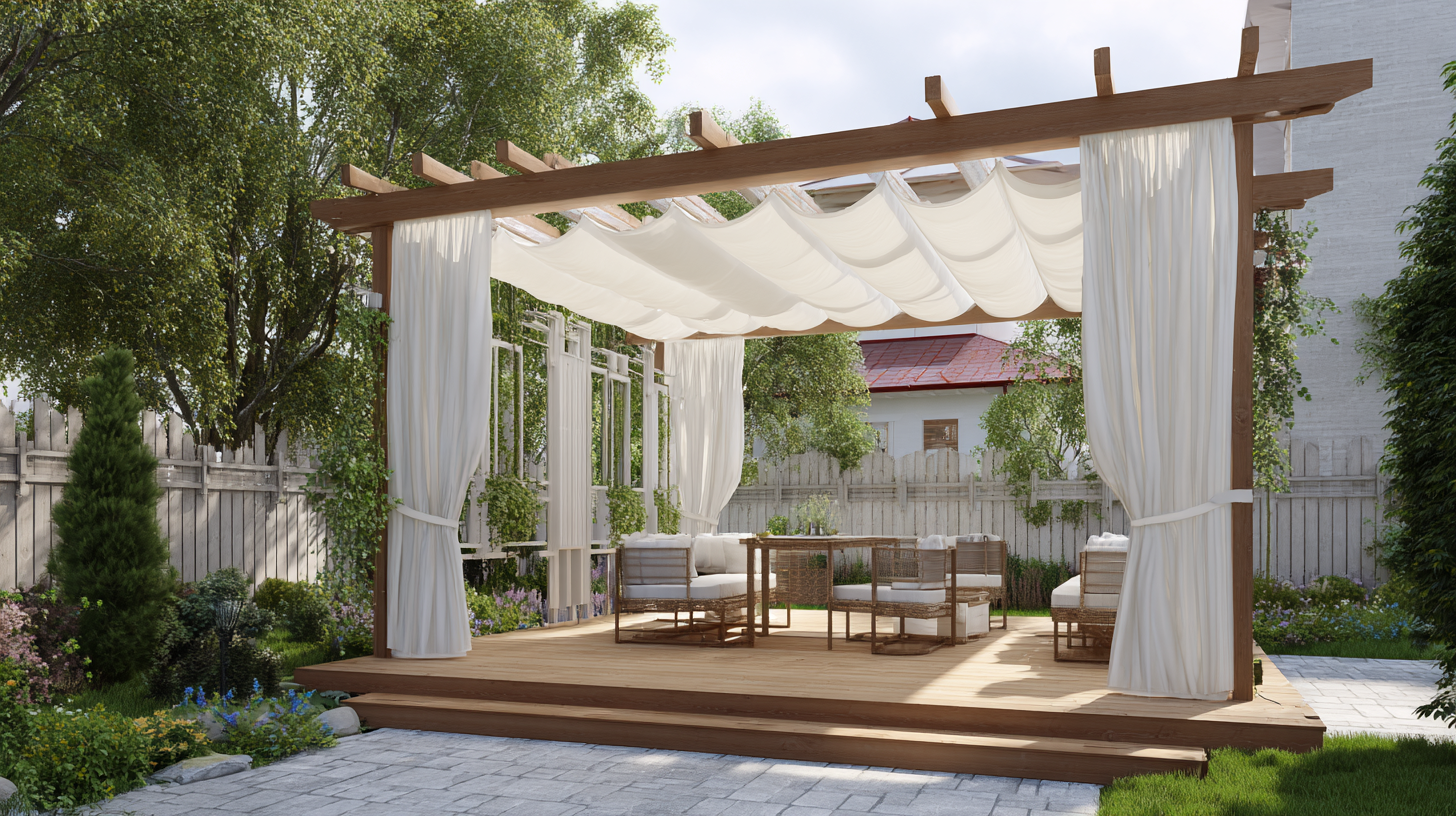
Yes, incorporating adjustable canopies or retractable sides adds flexibility in protecting your space during windy days while maintaining aesthetic appeal.
Regularly inspecting and maintaining your pergola, especially after severe weather, helps ensure that all components remain secure and any wear or damage is addressed promptly, prolonging its lifespan.
Positioning the pergola in a sheltered area or aligning it with prevailing wind directions can mitigate strain from winds, making the outdoor space more inviting and functional.
Incorporating reinforcements like crossed braces, deeper footings, and secure anchoring systems can significantly enhance the structural integrity and resilience of a pergola against gusts.
When you're looking to pick out a wind-resistant pergola for your outdoor space, it’s pretty important to get a good handle on what features actually make it stand up against the wind. Things like the durability of the materials and how the whole thing is built really matter when it comes to performance. If you’re comparing aluminum profiles to other options, you'll notice that aluminum’s strength and resistance are pretty much unbeatable. That’s why many folks go with aluminum for sturdy outdoor setups that can handle the rough stuff, rain or wind.
Of course, how you install everything really counts too. Doing it right ensures that your pergola isn’t just pretty but also safe and long-lasting—especially when the wind kicks up. It’s worthwhile to weigh the costs against the benefits here. After all, investing in a solid, wind-proof structure can save you headaches down the line. With more than 19 years under our belt, Foshan City One Alu Aluminum Co., Ltd. knows their stuff when it comes to top-notch aluminum profiles. They’re not just about making things look good—they’re about ensuring your outdoor space stays protected and looks great at the same time.