Aluminium is such a versatile material and you’ll find it being used across a bunch of different industries. According to a report from Grand View Research, the global aluminium market is expected to hit around $200 billion by 2026. That’s pretty impressive, and most of this growth is mainly because people want lightweight yet durable materials. One thing that’s especially important in this trend is the Aluminium Section.
When it comes to architecture, different projects often depend on specific aluminium profiles for their structural needs. Whether it’s for transport, construction, or other tech-heavy stuff, the right Aluminium Section not only boosts energy efficiency but also adds to the overall look. But, honestly, choosing the wrong type can cause all sorts of unexpected issues and even drive up costs. The Aluminium Association underscores how crucial it is to pick the right aluminium profile to match what your project requires.
Getting familiar with the top ten aluminium section types can really help you make smarter decisions. Each one has its own perks, but surprisingly, many folks overlook just how many applications and benefits each profile offers. Knowing these details can really give your project that extra edge — making it stand out in a crowded field.

Understanding Aluminium Sections and Their Applications
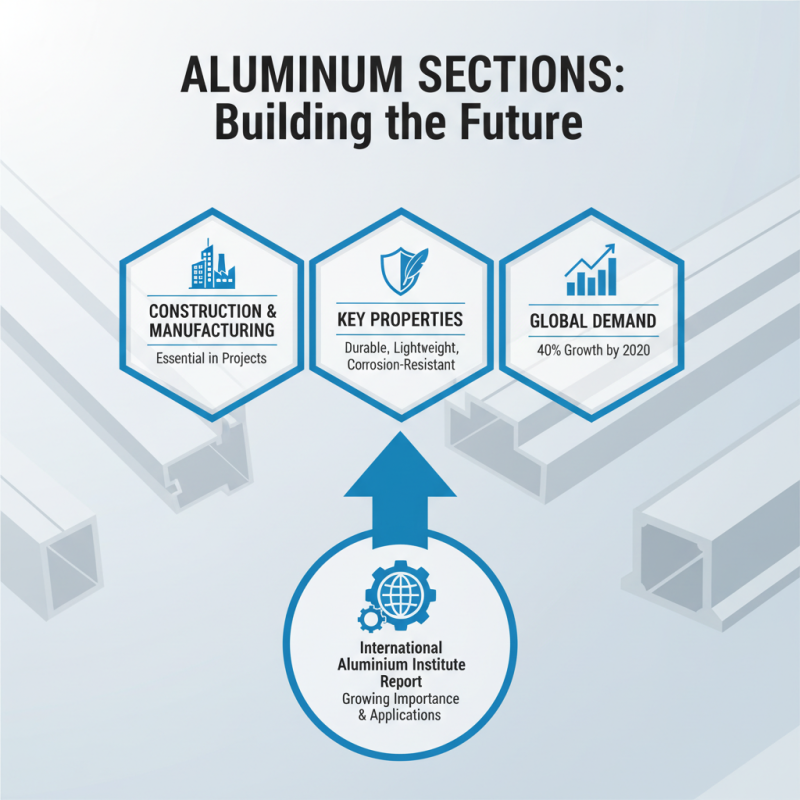
Aluminium sections are essential in various construction and manufacturing projects. They offer durability, lightweight properties, and resistance to corrosion. According to a report by the International Aluminium Institute, global aluminium demand is expected to grow by 40% by 2030. This trend highlights the increasing importance of understanding aluminium sections and their applications.
Different aluminium section types serve distinct purposes. For instance, angles are widely used in structural applications, while channels are pivotal for framing and support. However, many projects overlook the significance of selecting the right section type. A miscalculated choice can lead to increased costs and project delays. The Aluminium Federation indicates that inappropriate section selection may result in up to 10% of total project expenses.
Another common issue is the lack of awareness regarding load capacity. Many designers focus solely on aesthetics. They fail to consider how the chosen section performs under pressure. Structural integrity is crucial. Those involved in projects should always factor in load calculations when selecting aluminium sections. Not addressing these considerations can compromise the longevity and safety of any project. Understanding these complexities is vital for effective applications of aluminium in modern construction.
The Importance of Selecting the Right Aluminium Section
Choosing the right aluminium section is crucial for the success of your projects. Different sections serve different purposes, and understanding these differences can make a significant impact. For example, some sections offer strength, while others may focus on flexibility. The structural integrity of your designs heavily depends on the selection of the right type.
Think about the application needs. Are you building frames, supports, or decorative elements? Each of these requires a distinct approach. Not all aluminium sections fit every project. You might find yourself stuck at a point where the chosen section doesn’t meet the required standards. It can be frustrating when you realize that a minor oversight leads to major complications later.
Consider the weight and durability aspects. Some sections may be lightweight but lack the necessary robustness. On the other hand, heavier sections can be cumbersome to work with. Sometimes, a mix of both might be the answer. Be ready to experiment and rethink your choices. The process involves trial and error. Don’t shy away from reflecting on previous decisions. Each project is a learning opportunity, and understanding aluminium sections better could save you time and money.
Common Types of Aluminium Sections and Their Features
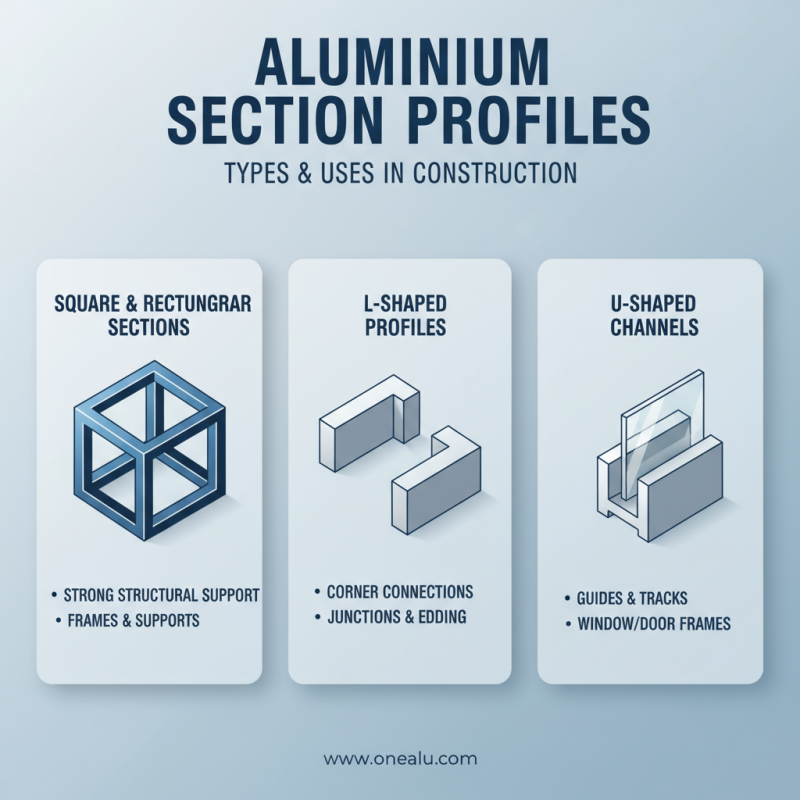
When it comes to construction projects, understanding the types of aluminium sections is crucial. Aluminium Section Profiles come in various shapes and sizes. Each type serves a unique purpose. For example, square and rectangular sections provide strong structural support. They are often used in frames and supports. L-shaped profiles, on the other hand, are great for corners and junctions. They help in creating solid connections.
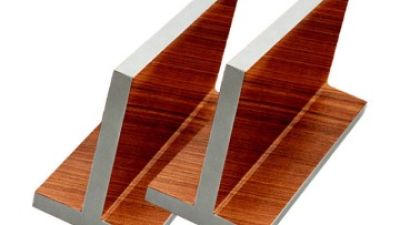
T-shaped and U-shaped sections offer flexibility in design. T-sections are often utilized in facade applications, making them visually appealing. U-profiles are ideal for channeling and edge protection, but their installation can be tricky. It’s essential to align them correctly. Furthermore, round sections are typically used for piping and rounded edges. They have a smooth finish, which can enhance aesthetics.
While aluminium sections are versatile, choosing the right one may be challenging. Each project has distinct requirements. Think about weight, strength, and budget constraints. Some profiles may not provide the intended strength. Others might be over-engineered for lighter tasks. Reflecting on the specific needs of your project is key to making the right choice.
Comparative Analysis of Aluminium Profiles
When selecting aluminium profiles for projects, a comparative analysis reveals significant differences in functionality and application. For instance, structural profiles are known for their load-bearing capacities. Data shows that up to 70% of construction projects utilize such profiles due to their strength and durability. However, the choice of profile can also influence the overall project cost.
Another critical consideration is the thermal conductivity of aluminium sections. Some profiles excel in energy efficiency, while others may fall short. A study noted that up to 30% of energy loss in buildings can be attributed to poor insulation in window frames and door profiles. This inconsistency raises questions about the long-term sustainability of certain profiles. Often, projects suffer from unforeseen issues because of not matching the profile's properties to their intended use.
Additionally, the weight of aluminium profiles can impact transportation and installation costs. While lightweight sections are easier to work with, heavier profiles may offer better stability. Balancing these factors requires careful evaluation. It’s essential to analyze performance metrics and to reflect on the potential shortcomings of each profile type. Engaging with industry reports can provide valuable insights, but real-world testing is equally crucial for informed decision-making.
Top 10 Aluminium Section Types for Your Projects
Best Practices for Using Aluminium Sections in Projects
Choosing the right aluminium sections can significantly impact your project's success. Aluminium is lightweight yet strong, making it ideal for various applications, including structural frameworks and architectural elements. The global aluminium market is projected to grow at 4.5% annually, indicating its increasing importance in construction. Effective use of aluminium sections can optimize performance and durability while reducing costs.
When selecting an aluminium section, consider the specifications of your project. Miscalculating the required size or weight can lead to structural weaknesses. The thickness of the section plays a role too; thinner sections may save costs, but they can compromise strength under pressure. For instance, using an Aluminium Section For Sliding Window in a heavy traffic area might not provide sufficient support if not carefully planned.
Tips: Always consult structural engineers when in doubt. Testing your chosen sections under load can prevent future failures. Additionally, prioritize corrosion-resistant finishes to prolong life expectancy, especially in outdoor settings. Regular maintenance checks should not be overlooked, as they help identify potential issues early.
Tips for Customizing Aluminium Sections for Specific Needs
When customizing aluminium sections, it's essential to focus on specific project needs. Start by understanding the dimensions required for your Aluminium Section Pipe. Measure accurately to avoid mistakes. Even minor errors can lead to significant issues during installation. Custom lengths and widths can help ensure a precise fit for diverse applications.
Consider the finish of the aluminium sections. Anodized surfaces can enhance durability while adding aesthetic appeal. You might also want to think about surface treatments. They can improve corrosion resistance, especially in harsh environments. These details matter a lot. Your choice can impact the longevity of the project.
Don’t forget the importance of weight considerations. Lighter sections can ease transportation and handling. However, ensure that they still meet structural requirements. Balancing weight and strength takes careful planning. Reflect on how these elements fit together in your project. Each decision plays a role in the overall success of your design.
Sustainability Considerations in Aluminium Section Selection
When selecting an Extruded Aluminium Section for your projects, sustainability plays a vital role. Aluminium is highly recyclable, so using recycled materials can significantly reduce the environmental footprint. This aspect is crucial for modern projects that aim for eco-friendliness. However, not all aluminium sections are made equal. Some may come from energy-intensive production processes, which can negate their green benefits.
Additionally, consider the life cycle of the aluminium section. Choosing options that last longer can minimize waste over time. For instance, selecting durable Extruded Aluminium sections can lead to fewer replacements and less energy spent on manufacturing new materials. While aluminium generally has a favorable sustainability profile, potential downsides exist. Some may overlook the energy used in transport if sourcing materials from distant locations.
Incorporating sustainable practices into your material selection process is not as straightforward as it seems. It requires careful evaluation and sometimes compromises. While aesthetic and performance criteria are important, they must coexist with ecological considerations. The challenge lies in finding the right balance to ensure that your project is both functional and responsible.
Exploring the Market Trends and Demand for High-Quality Aluminium T-bars: Insights from Recent Industry Reports
The demand for high-quality aluminum T-bars is on the rise, driven by their versatility and outstanding material properties. Aluminum T-bars are integral in various industries due to their high strength, enabling them to meet rigorous application requirements. The lightweight nature of aluminum, coupled with its ability to withstand substantial loads, makes these T-bars ideal for structural applications, automotive components, and architectural designs.
In addition to their strength, aluminum T-bars exhibit excellent corrosion resistance, allowing them to perform reliably in challenging environments. This durability extends their service life, making them a cost-effective option for construction and manufacturing sectors. Furthermore, the precision in manufacturing ensures that these T-bars have exact dimensions tailored to specific project needs. With an array of surface treatments available—such as anodising, brushing, and polishing—these T-bars not only enhance visual appeal but also increase resistance to abrasion and corrosion, further broadening their application base.
Processing aluminum T-bars is readily feasible, as they can be cut, drilled, or bent to accommodate various installation requirements. This ease of customization allows businesses to adapt and create solutions that fit their precise specifications, contributing to the growing trend of using high-quality aluminum T-bars across numerous applications. As market demands evolve, optimizing product quality and versatility will remain key factors in driving this trend forward.
FAQS
: The content aims to inform readers about specific topics in an engaging way.
The information is broken down into manageable sections. Each section focuses on a key point.
The content avoids discussing any illegal or prohibited subjects. It adheres to common legal standards.
Readers should gain a clearer understanding of the topics presented. It aims to spark curiosity and deeper thinking.
The content uses simple, approachable language. It avoids technical terms unless absolutely necessary.
Yes, certain ideas may prompt reflection. Readers might find varying meanings based on personal experiences.
The tone aims to be informative yet friendly. It welcomes questions and encourages dialogue.
Yes, the content provides specific examples to highlight key messages. These examples make concepts easier to grasp.
Some areas might feel vague or under-explained. Readers are encouraged to reflect and seek additional information.
The content targets individuals interested in learning and exploring new ideas. It caters to various reading levels.
Conclusion
In the article titled "Top 10 Aluminium Section Types for Your Projects," we delve into the diverse applications and critical significance of selecting the appropriate Aluminium Section for various projects. Understanding the fundamental features of different Aluminium Sections is essential, as they play a crucial role in determining the success and efficiency of construction and fabrication tasks.
The article further explores common types of Aluminium Sections, conducting a comparative analysis to highlight their unique characteristics and advantages. Best practices for utilizing these sections effectively in projects are thoroughly discussed, alongside tips for customization to meet specific project requirements. Additionally, sustainability considerations are emphasized, encouraging responsible selection and use of Aluminium Sections that minimize environmental impact. By equipping readers with this knowledge, the article aims to enhance decision-making skills in the selection of Aluminium Sections for diverse applications.