Leave Your Message
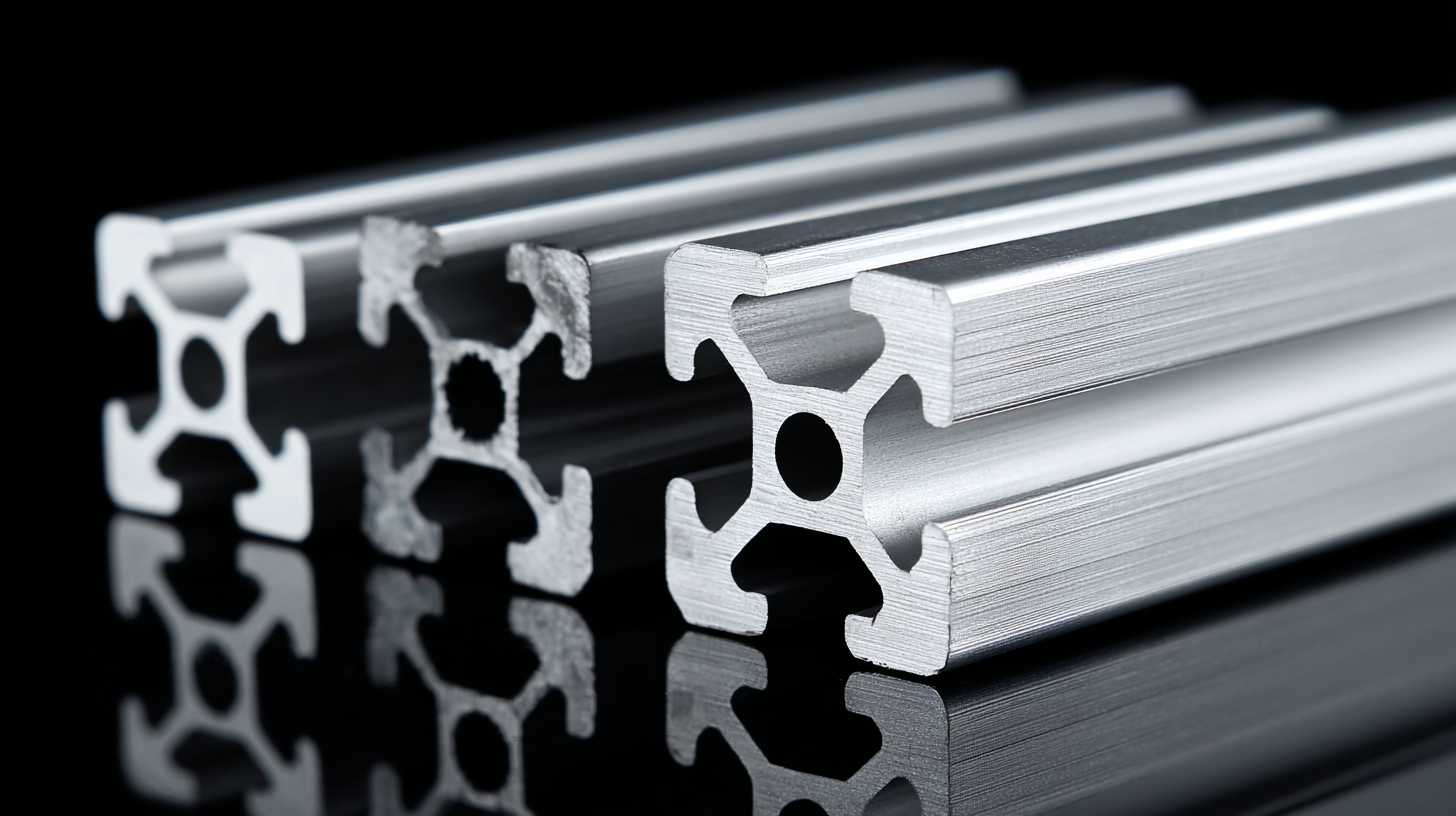
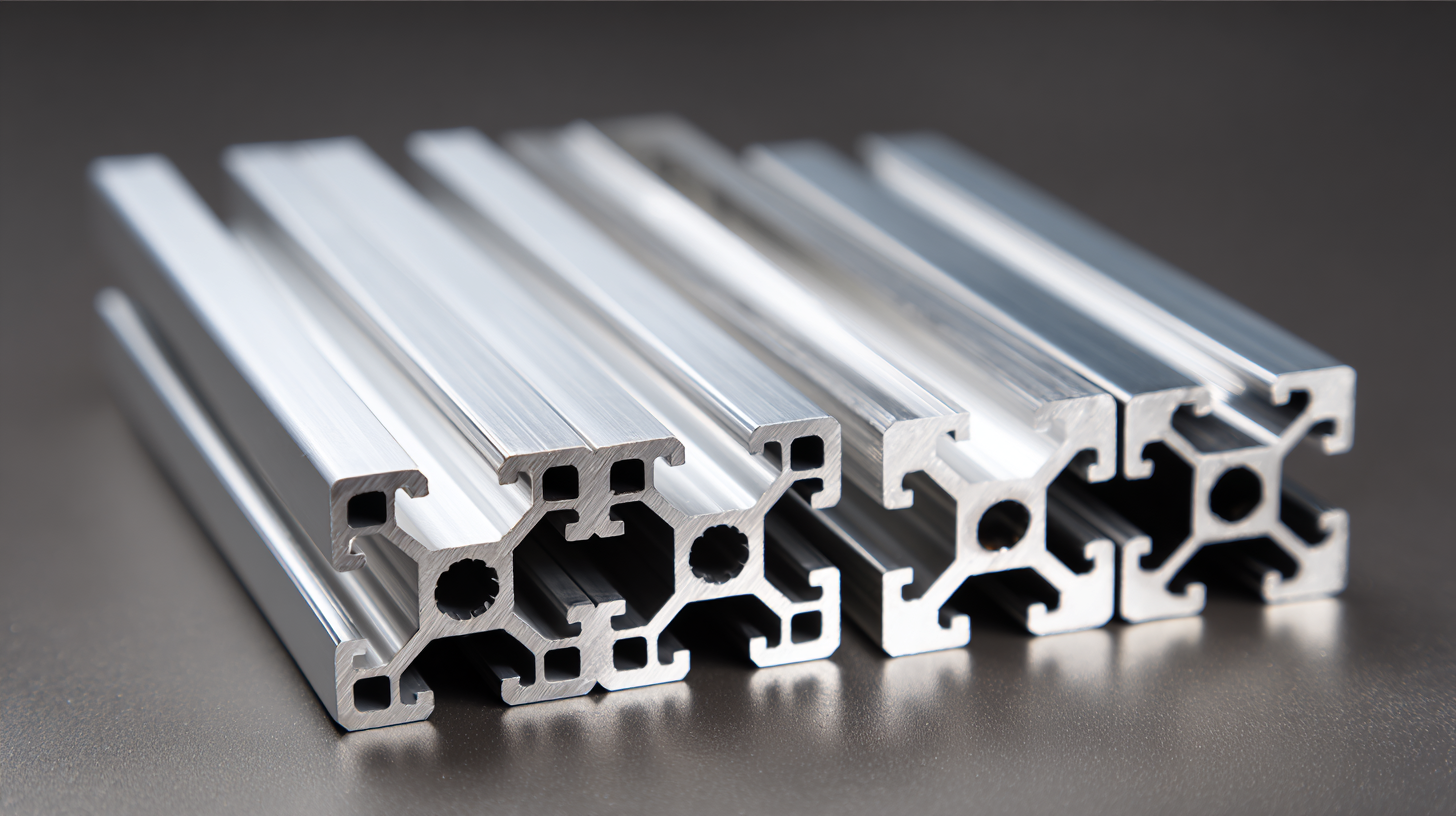
When you think about modern manufacturing these days, it’s pretty hard not to realize just how important Extruded Aluminum profiles have become. These little guys are super versatile—lightweight, tough, and adaptable—making them a go-to choice across a bunch of industries. Like John Smith, who’s a top expert at Aluminum Innovations, once put it, “Extruded Aluminum Profilesare basically the backbone of modern design and engineering. They help us innovate and stay efficient in manufacturing.” The process behind them is pretty neat, too—basically, you force Aluminum Through a shaped die, which creates profiles that can be customized to fit just about any need. That’s why so many manufacturers prefer using them to boost their products.
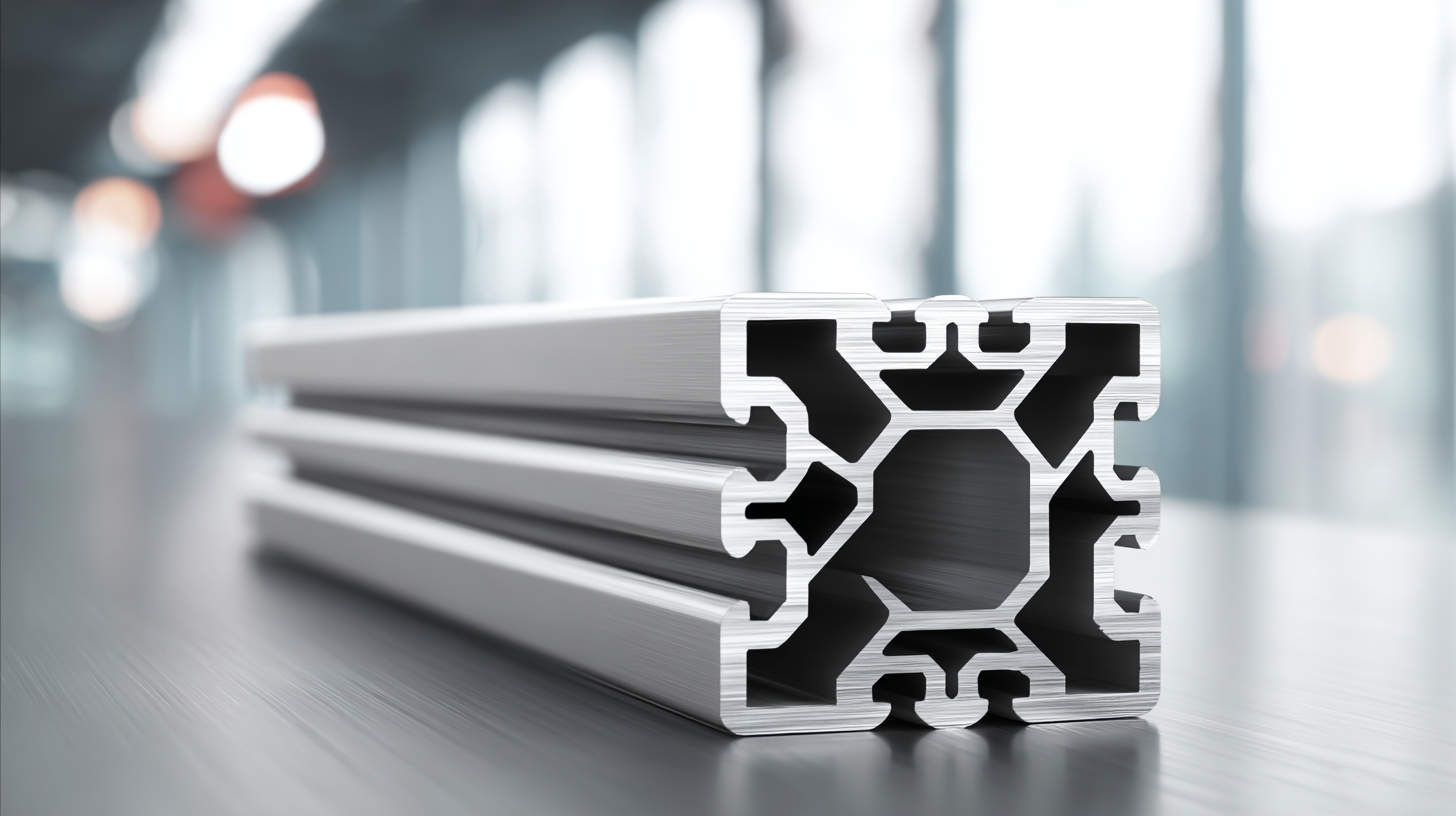
And it doesn’t stop there—these profiles are everywhere, from cars to buildings, playing a huge role in shaping modern infrastructure and making complex machinery possible. They open up endless design options and deliver top-notch performance, helping manufacturers hit their operational goals while staying environmentally friendly. Looking at how essential extruded aluminum profiles are today, it’s clear their role is only going to grow. They’re driving all kinds of advancements in manufacturing and design, and honestly, it’s pretty exciting to think about what’s coming next.
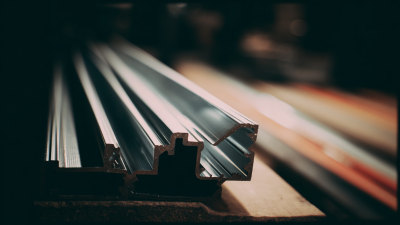
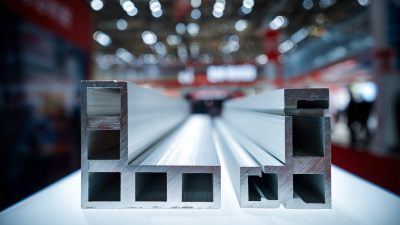
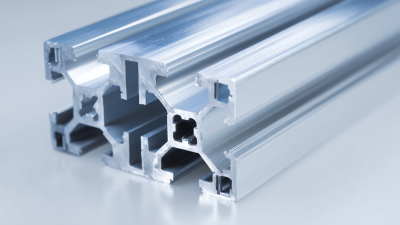
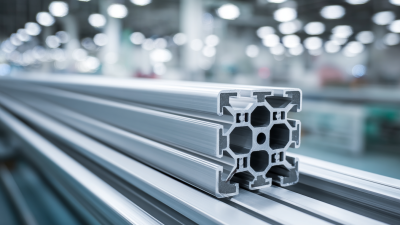
Extruded aluminum profiles represent a vital component in modern manufacturing, known for their versatility and strength. The process of extrusion involves forcing aluminum through a die to create specific shapes, making it ideal for various applications, from construction to automotive. This method allows for intricate designs while maintaining lightweight characteristics, offering manufacturers an edge in performance and efficiency.
**Tips:** When selecting extruded aluminum profiles, consider the intended application to ensure optimal performance. Investigate different alloy compositions, as each has unique properties suited to diverse environments. Additionally, pay attention to surface treatments, which can enhance durability and aesthetics.
The adaptability of extruded aluminum profiles is another reason for their essential role in manufacturing. These profiles can be used in frameworks, supports, and casings, providing structural integrity without the weight burden of traditional materials. Customization options further allow companies to tailor solutions to specific operational needs, driving innovation and productivity in an ever-evolving market.
**Tips:** Collaborate with experienced suppliers who understand your industry’s requirements to benefit from their expertise in custom profiles. Regularly evaluate design possibilities to maximize the utility of extruded aluminum in your projects.
| Dimension | Description | Applications | Benefits |
|---|---|---|---|
| Weight | Lightweight yet strong material | Automotive, aerospace, and electronics | Reduces overall product weight, enhancing performance |
| Strength | High tensile strength | Construction and structural applications | Provides safety and durability |
| Corrosion Resistance | Natural oxidation creates protective layer | Outdoor furniture and marine applications | Longer lifespan and reduced maintenance costs |
| Versatility | Easily shaped and configured | Custom fabrication for diverse industries | Ideal for complex designs and applications |
| Thermal Conductivity | Effective heat transfer properties | Heat exchangers and HVAC systems | Improves energy efficiency in systems |
The 6063-T5 aluminum profiles are becoming increasingly popular in modern window and door manufacturing due to their distinct advantages and versatility. These profiles are characterized by good wind pressure resistance, making them suitable for various climates and structural requirements. Moreover, 6063-T5 aluminum is recognized for its excellent non-combustibility, positioning it as a preferred choice in safety-conscious building projects. As a flame retardant material, it provides an added layer of security for residential and commercial properties alike.
In terms of design flexibility, 6063-T5 aluminum profiles can be tailored to accommodate various opening methods. They can be crafted for flat opening, double opening, sliding, or folding configurations, allowing architects and builders to create custom solutions that meet specific needs and enhance aesthetic appeal. The adaptability of these profiles not only streamlines the installation process but also contributes to the overall functionality of windows and doors. With their lightweight nature and durability, 6063-T5 aluminum profiles are indeed leading the way in modern construction applications, combining form with function seamlessly.
: Extruded aluminum profiles are lightweight yet strong, offering a high strength-to-weight ratio, making them ideal for various applications across industries like automotive, aerospace, and construction.
Customization allows manufacturers to design profiles that meet specific needs, and since recycled aluminum requires only 5% of the energy used to produce primary aluminum, it promotes environmentally friendly manufacturing practices.
They are being utilized in modern design, supporting sustainable practices, such as recycling in construction and architectural projects, and enhancing aesthetic appeal with unique shapes and modular components.
The global aluminum extrusion market is expected to grow due to increasing demand for lightweight materials in sectors like automotive and aerospace, focusing on fuel efficiency and performance optimization.
Innovations such as 3D printing and automated extrusion processes are improving customization capabilities, enabling manufacturers to create complex geometries that suit specific client needs.
The market is projected to reach USD 82.2 billion by 2025, driven by the demand for lightweight materials and advancements in recycling processes, aligning with the global focus on sustainable manufacturing.
Their excellent thermal and electrical conductivity properties make them suitable for applications in HVAC systems and electrical enclosures, enhancing their utility in manufacturing processes.
Designers can use the inherent flexibility of aluminum profiles to create contemporary designs, employing unique shapes, sizes, and integrating modular components for sustainability.
Such events highlight the trend of using recycled aluminum for sustainable design, showcasing how materials can support circular design principles while promoting aesthetic appeal.
The emphasis on sustainability has led to innovations in recycling processes and reduced costs, enabling a shift toward green manufacturing in the production of extruded aluminum profiles.
Extruded Aluminum Profiles play a crucial role in modern manufacturing, offering a versatile solution suitable for various applications. These profiles are characterized by their lightweight yet sturdy construction, making them ideal for numerous industries, including construction, automotive, and consumer goods. In 2025, industries leveraging Extruded Aluminum Profiles will experience significant advancements, with innovative designs enhancing functionality and aesthetic appeal.
Sustainability and cost-effectiveness are pivotal factors driving the adoption of Extruded Aluminum in production, aligning with contemporary eco-friendly practices. As a leader in the aluminum profile sector, Foshan City One Alu Aluminum Co., Ltd. utilizes over 19 years of expertise to provide high-quality products, including door and window profiles, catering to the diverse needs of our clients in over 50 countries. With ongoing developments in profile technology, the future of Extruded Aluminum Profiles looks promising, ripe for innovation and growth.