Leave Your Message
0%

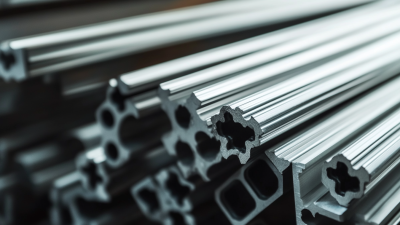
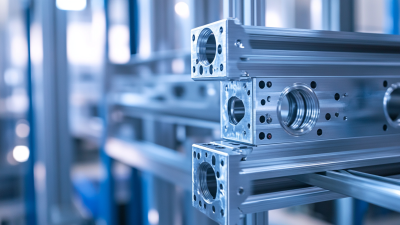
Aluminum Profile Extrusion is basically a process where they shape aluminum into specific profiles—like customized channels or framing. It’s super versatile and used all across different industries. Companies really rely on this method when they need to make parts that are strong but still light enough to handle easily.

When you're designing products, details really matter. Take an aluminum window frame, for example—it can have different thicknesses, widths, and lengths depending on what’s needed. That flexibility makes it easier to create just what the project calls for. Of course, not every extrusion turns out perfectly—sometimes there are imperfections or flaws, and that means revisiting the design and making adjustments.

You’ll find this process in industries like construction, automotive, and manufacturing—each with their own specific needs. An extrusion industrial aluminum profile acts as a vital building block for creating reliable components. But, it’s also important for companies to think about sustainability and how they manage waste during production. That’s an ongoing challenge that pushes everyone to keep innovating and improve what they do.
What is Aluminum Profile Extrusion and How is it Used?

What is Aluminum Profile Extrusion? A Comprehensive Overview

Aluminum profile extrusion is a manufacturing process that shapes aluminum into desired forms. This technique uses high pressure to push Aluminum Through a die, creating long sections of solid material. The versatility of this method is truly impressive. In fact, the global aluminum extrusion market is expected to reach $50 billion by 2025, driven by increased demand in construction and transportation.

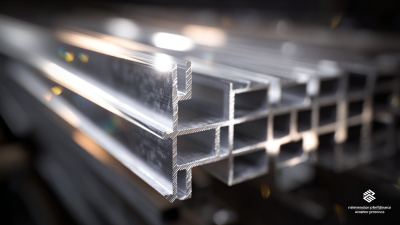
The applications of aluminum extrusion profiles are vast. Industries use these profiles for structural components, facades, and frames. For example, in construction, companies utilize custom aluminum profiles for energy-efficient buildings. These profiles can also be found in automotive and electronics sectors. Not all designs succeed. Some may not meet strength requirements, leading to redesigns.

Sustainability is becoming a focal point in the aluminum extrusion industry. The recycling rate for aluminum is around 75%, according to industry reports. This is a significant advantage. However, the process can still produce waste, and not all manufacturers focus on eco-friendly practices. The industry faces challenges in balancing production efficiency with environmental impact. Custom aluminum profile designs can also complicate manufacturing processes, leading to inefficiencies.

The Process of Aluminum Profile Extrusion: Step-by-Step Explanation

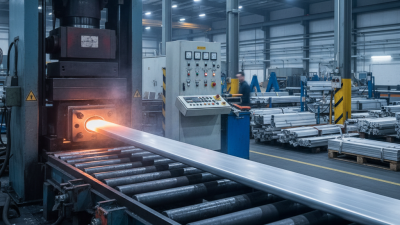
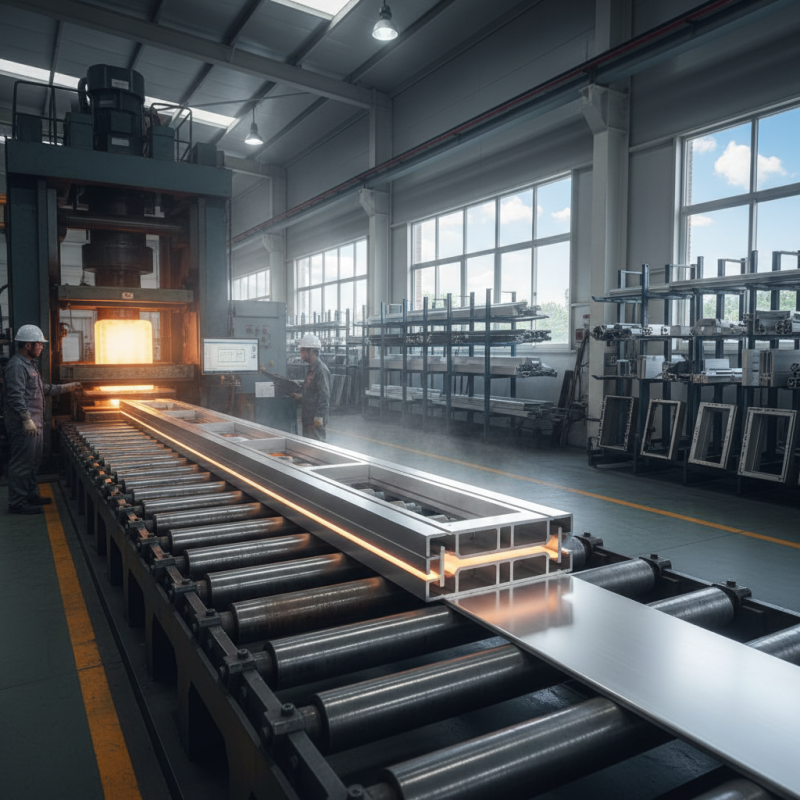
Aluminum profile extrusion is a manufacturing process that shapes aluminum by forcing it through a die. This method creates various profiles used in construction, automotive, and consumer products. The process begins with heating aluminum billets, making them malleable.

Then, the heated aluminum is pushed through a shaped die. This step requires precision. After exiting the die, the material cools and hardens quickly. Next, it is cut into desired lengths. The final shapes are often further processed, like machining or surface treatments.

Tips: Pay attention to the temperature during the heating phase. Too hot or too cold can affect the final product's quality. Ensure proper die alignment to avoid defects. Even small misalignments can lead to larger issues later.

Aluminum profile extrusion can seem straightforward. However, it is crucial to maintain quality at every step. Each phase has its challenges. Be prepared to troubleshoot and adapt. A minor oversight can lead to an entire batch being unusable.

Key Materials Used in Aluminum Profile Extrusion: Understanding Alloys

Aluminum Profile Extrusion is a process that shapes aluminum into specific profiles. Central to this process are the alloys used, which greatly impact the final product. Aluminum alloys are classified into two main categories: wrought and cast. Wrought alloys are generally preferred for extrusion due to their strength and versatility.

Alloys like 6061 and 6063 are common in aluminum profile extrusion. The 6061 alloy is known for its excellent mechanical properties and corrosion resistance. It's often used in structural applications. The 6063 alloy, on the other hand, offers better surface finish and is favored for architectural applications. Choosing the right alloy can be complex. Each alloy has unique traits that affect its performance and suitability for different uses.

In the extrusion process, understanding these materials is crucial. Not every alloy works well for every application. Sometimes, manufacturers might overlook the importance of alloy selection. In some cases, using the wrong alloy can lead to costly mistakes. The right choice can enhance durability and aesthetic appeal, making the extruded profiles more effective in their intended purposes.

What is Aluminum Profile Extrusion and How is it Used? - Key Materials Used in Aluminum Profile Extrusion: Understanding Alloys

Alloy Type Main Elements Common Uses Mechanical Properties
6061 Silicon, Magnesium Automotive parts, Structural applications Good corrosion resistance, Medium strength
6063 Silicon, Magnesium Architectural applications, Window frames Excellent finish, Good extrudability
7075 Zinc, Magnesium, Copper Aerospace components, High-stress applications High strength, Low corrosion resistance
5005 Magnesium Signage, Decorative trim Good resistance to corrosion, Moderate strength
3003 Manganese Ductwork, Cooking utensils Good workability, Moderate corrosion resistance

Applications of Aluminum Profile Extrusion in Various Industries

Aluminum profile extrusion

is a versatile process. It produces long shapes with a specific cross-section. This technique allows for the creation of lightweight yet strong components, suitable for various applications across many industries.

In construction, frame extrusion aluminum profiles are key. They provide structural support for windows and doors. These profiles can be tailored to fit any design requirement.

In the automotive industry, lightweight aluminum profiles enhance fuel efficiency. Manufacturers use them for chassis components and body frames.

Another application is in electronics. Aluminum profiles protect sensitive equipment from electromagnetic interference. They also help in heat management.

This versatility extends to the furniture industry. Designers appreciate aluminum's aesthetic appeal and durability. Yet, the potential for scratches and dents can be an issue. Balancing strength and appearance remains critical for designers and engineers alike.

Market Trends: Growth and Demand for Aluminum Extrusions

The market for aluminum extrusions is experiencing notable growth. According to a recent industry report, the global aluminum extrusion market is projected to reach around $60 billion by 2025. This trend highlights the increasing demand for lightweight, durable materials across various sectors. The automotive and construction industries lead this surge, driven by the need for energy efficiency and sustainable practices.

Aluminum profiles offer unique advantages. They are corrosion-resistant and recyclable. This aligns with the growing emphasis on sustainability. As more firms opt for greener solutions, aluminum extrusions are becoming a preferred choice. The versatility of aluminum allows it to be adapted into numerous applications, from window frames to custom industrial components.

Tips: When choosing aluminum for projects, consider the specific requirements such as strength and weight. Sometimes, less complex designs can lead to improved efficiency. It's wise to explore options that minimize waste and maximize performance. Always remember, innovation in design often leads to greater sustainability.

Advantages of Aluminum Profiles: Lightweight, Durable, and Versatile

What is Aluminum Profile Extrusion and How is it Used?

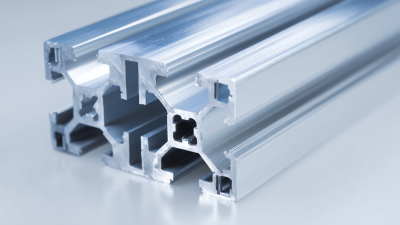
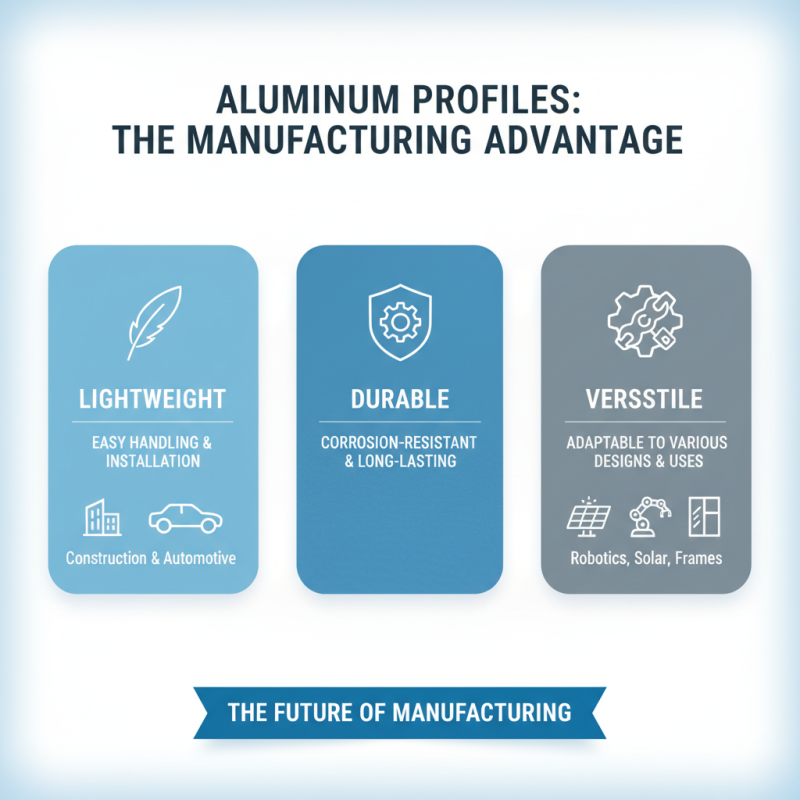
Aluminum profiles are taking the manufacturing world by storm. Their lightweight nature allows for easy handling and installation. This is particularly beneficial in sectors like construction and automotive. Professionals appreciate how simple it is to work with these materials. Aluminum Extrusion Profile With Anodize Surface enhances durability, making it resistant to corrosion. This longevity is a vital consideration for many industries.

Versatility is another key advantage of aluminum profiles. They can be shaped into various forms, catering to specific needs. This adaptability means they’re used in everything from furniture to frames. However, the process of creating these profiles can sometimes lead to inconsistencies. Manufacturers must pay close attention to quality control. Subpar profiles may lead to failures in their applications.

Aluminum’s ability to be recycled enhances its appeal among eco-conscious engineers. Yet, not all manufacturers take this into account. Awareness around sustainability is growing, but more effort is needed. It’s essential to push for greener practices in the industry. With ongoing advancements, aluminum profiles hold significant promise for the future. The potential to innovate remains high, but there are challenges ahead.

Environmental Impact and Sustainability of Aluminum Extrusion Processes

What is Aluminum Profile Extrusion and How is it Used?

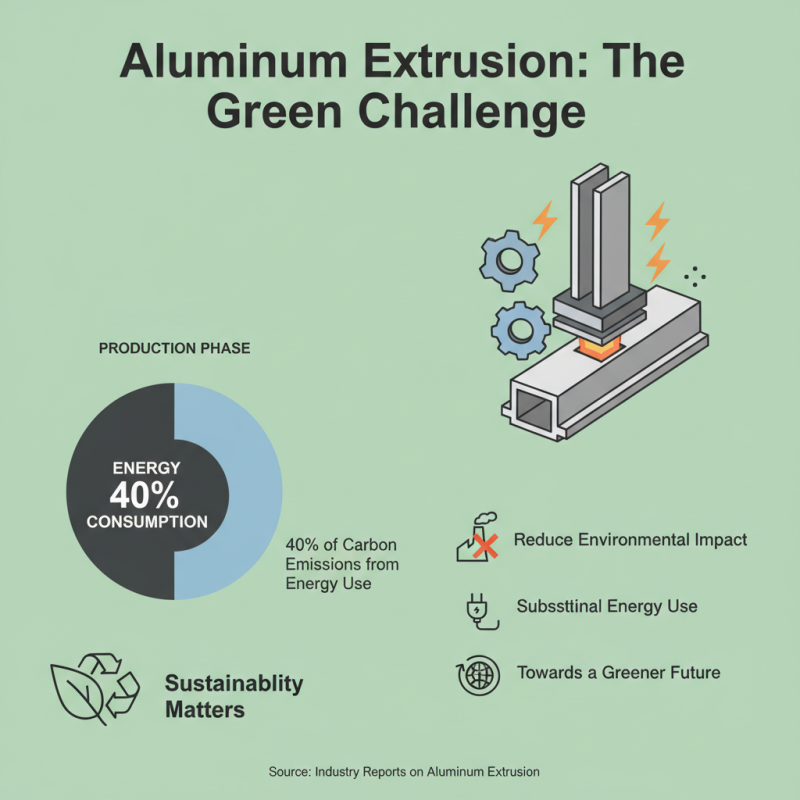
Aluminum profile extrusion is a common manufacturing process. It can have significant environmental impacts. The processes involved in aluminum extrusion often require substantial energy consumption. Reports indicate that energy use can account for 40% of the total carbon emissions in the production phase.

The aluminum industry is working toward sustainability. For instance, a study showed that nearly 75% of aluminum produced since 1888 is still in use today. This recycling aspect helps reduce energy requirements by up to 95% compared to primary production. However, the reality is that recycling systems are not uniform worldwide. Some regions struggle with efficiency and proper recycling practices.

Water use is another concern. Aluminum production can consume up to 100 gallons per ton of aluminum extruded. While processes are improving, they still leave room for concern. The industry must balance growth and environmental responsibility. Understanding these impacts is crucial for future developments.

FAQS

: What are the main types of aluminum alloys used in extrusion?

: The main types are wrought and cast alloys. Wrought alloys are often preferred for their strength.

What are common alloys for aluminum profile extrusion?

Common alloys include 6061 and 6063. Each has unique properties for different applications.

Why is alloy selection important in aluminum extrusion?

Alloy selection can affect strength and aesthetic. Using the wrong alloy may lead to costly errors.

How much energy is consumed in aluminum extrusion?

Energy consumption can account for 40% of total carbon emissions during production. It's significant.

What is the recycling impact of aluminum?

About 75% of aluminum produced is still in use. Recycling reduces energy needs by up to 95%.

How does water consumption factor into aluminum production?

Production can use up to 100 gallons per ton. This remains a concern for environmental impact.

Are recycling practices uniform worldwide?

No, recycling efficiency varies significantly. Some areas struggle with proper recycling systems.

What aesthetic advantages do different alloys offer?

Alloys like 6063 provide better surface finishes, improving visual appeal for architectural uses.

What challenges does the industry face in sustainability?

Balancing growth and environmental responsibility remains a key challenge in the aluminum industry.

What happens if the wrong alloy is used?

Utilizing an incorrect alloy can compromise performance and lead to expensive mistakes in production.

Conclusion

Aluminum Profile Extrusion is a manufacturing process that involves shaping aluminum alloys into specific profiles for various applications. The process begins with heating aluminum billets, which are then forced through a die to create profiles of desired shapes and sizes. This technique is widely utilized across multiple industries due to its ability to produce lightweight, durable, and versatile components.

The key materials used in aluminum profile extrusion are various aluminum alloys, each offering unique properties tailored to different applications. From construction to automotive industries, the use of aluminum extrusions has been growing steadily, driven by market demand for sustainable and efficient solutions. Additionally, aluminum extrusion processes are designed with environmental considerations in mind, making them an attractive option for companies aiming to reduce their ecological footprint.
Clara

Clara

Clara is a dedicated marketing professional at Foshan Yi Aluminum Materials Co., Ltd., where her expertise in the aluminum industry shines through. With a deep understanding of the company’s core business, Clara excels in promoting a wide range of high-quality aluminum products that cater to......
Previous Discover the Advantages of Extruded Aluminum for Global Suppliers