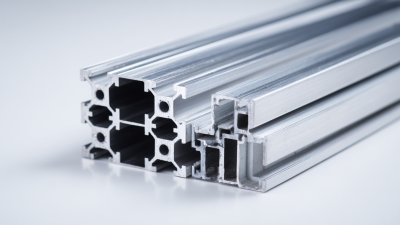
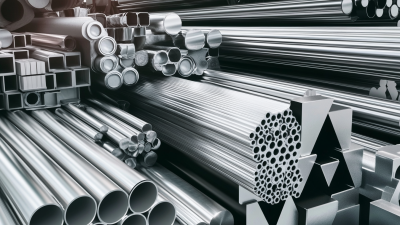
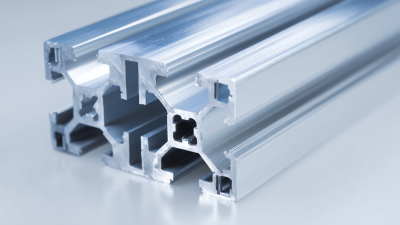
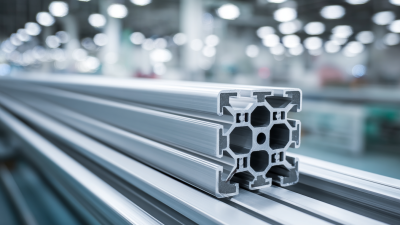
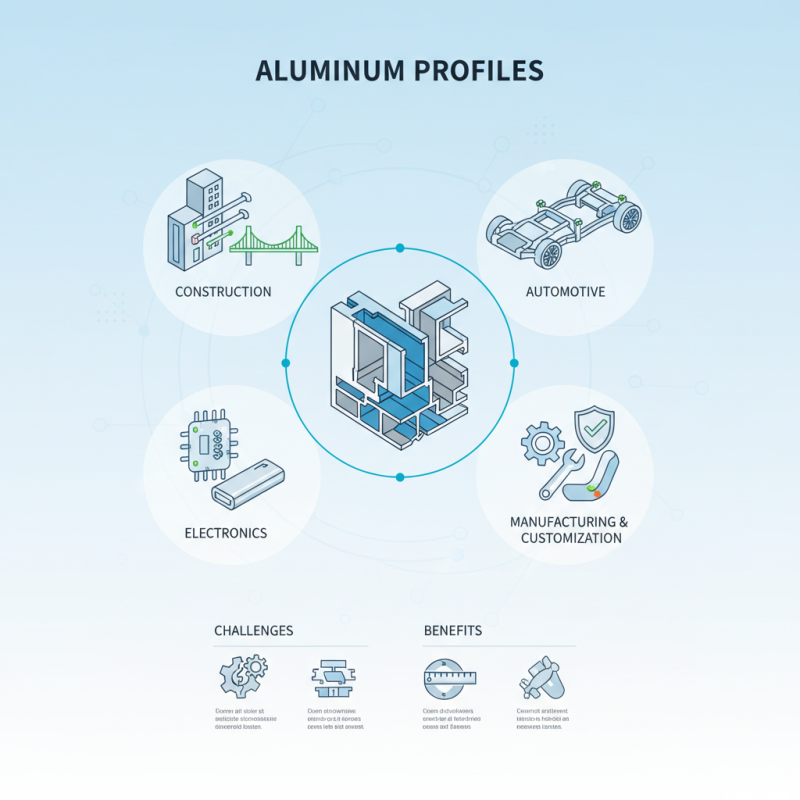
Aluminum profiles are incredibly versatile and find their way into all sorts of industries. Basically, they’re made from aluminum shapes that are created through a process called extrusion — kind of like squeezing the metal through a mold to get the exact shape you want. This method is pretty cool because it lets manufacturers customize the size and design to suit whatever project they’re working on. Companies like XYZ Manufacturing specialize in creating custom Extrusion Profiles, so they can meet pretty much any customer need.
You'll see these profiles popping up everywhere — in construction as supporting structures that are strong and durable, in cars where they help cut down weight without sacrificing strength, and even in electronics. But, heads up — customization can get pricey for some folks, which is a bit of a bummer.
That said, working with aluminum profiles isn’t always smooth sailing. Quality control can be tricky, and lots of careful planning and design tweaks are needed to get everything just right. Even with all the tech improvements, perfection isn’t always guaranteed. Companies are constantly working on fixing these issues, but there’s always room for improvement. So, understanding the ins and outs of aluminum profiles can really help you make the most of what they offer — and also better handle any challenges that come along the way.
Definition of Aluminum Profile and Its Characteristics
Aluminum profiles are a popular choice in many industries due to their exceptional qualities. Defined as a shape created from processed aluminum, they are lightweight, corrosion-resistant, and durable. These characteristics make them ideal for structural applications, especially in the construction and automotive sectors. Reports indicate that the global Aluminum Extrusion market is expected to grow steadily, reaching approximately$120 billion by 2025. This growth is driven by the rising demand for lightweight materials.
The process of Aluminum Profile Extrusion involves forcing aluminum through a shaped die. This technique allows manufacturers to create complex shapes and designs. These profiles can be customized for specific applications, such as window frames, railings, and machinery parts. However, one challenge is ensuring uniform quality throughout the extrusion process. Inconsistent temperatures and pressures can lead to defects in the final product. Addressing these issues is crucial for manufacturers striving for excellence.
Beyond construction, aluminum profiles are also utilized in electronics and packaging. Their lightweight nature helps reduce energy consumption during transportation. Despite these advantages, some industries still overlook aluminum in favor of heavier materials. This poses a question: Are we fully leveraging the benefits of Aluminum Profile Extrusion? As industries evolve, re-evaluating material choices could lead to more sustainable practices and innovations.
Types of Aluminum Profiles and Their Manufacturing Processes
Aluminum profiles are widely used in various industries due to their versatility and strength. Their manufacturing process shapes aluminum into a range of forms, suitable for different applications. Extrusion is a primary method for creating these profiles. During this process, aluminum is heated and forced through a die, resulting in the desired shape. This method allows for complex designs and precise dimensions.
Another manufacturing technique is machining. It involves cutting, drilling, and milling to achieve exact specifications. This approach is ideal for custom projects where standard profiles may not fit. However, machining can be more costly and time-consuming compared to extrusion. Both methods have their benefits and drawbacks.
In addition to extrusion and machining, there are also welding and casting processes. Welding joins two profiles together, creating strong connections. Casting, on the other hand, allows for creating intricate shapes from molten aluminum. Each method has its own set of challenges. Choosing the right process depends on the specific application. Consideration of cost, time, and desired strength is crucial. The choice often involves balancing these factors, leading to ongoing debate within manufacturing.
Applications of Aluminum Profiles
Common Applications of Aluminum Profiles in Construction
Aluminum profiles play a crucial role in modern construction. Builders and architects frequently use them due to their lightweight nature and durability. According to industry reports, aluminum profiles account for nearly 15% of the global construction materials market. This figure highlights their growing importance in various applications, especially in buildings.
Common applications include window frames, curtain walls, and even roofing systems. Aluminum profiles are particularly popular for doors. They provide strength and flexibility, making them ideal for "Aluminum Profile For Doors." However, the profiles need proper finishing to enhance their corrosion resistance. Some manufacturers overlook this, leading to premature wear.
Moreover, the aesthetic appeal of aluminum profiles cannot be ignored. They can be easily customized to fit different designs. Many buildings utilize these profiles for modern facades. However, aesthetic solutions sometimes compromise thermal insulation. It's essential to balance looks with energy efficiency in construction projects. The overall integration of aluminum profiles is impressive, yet it requires careful consideration and implementation.
Use of Aluminum Profiles in the Automotive Industry
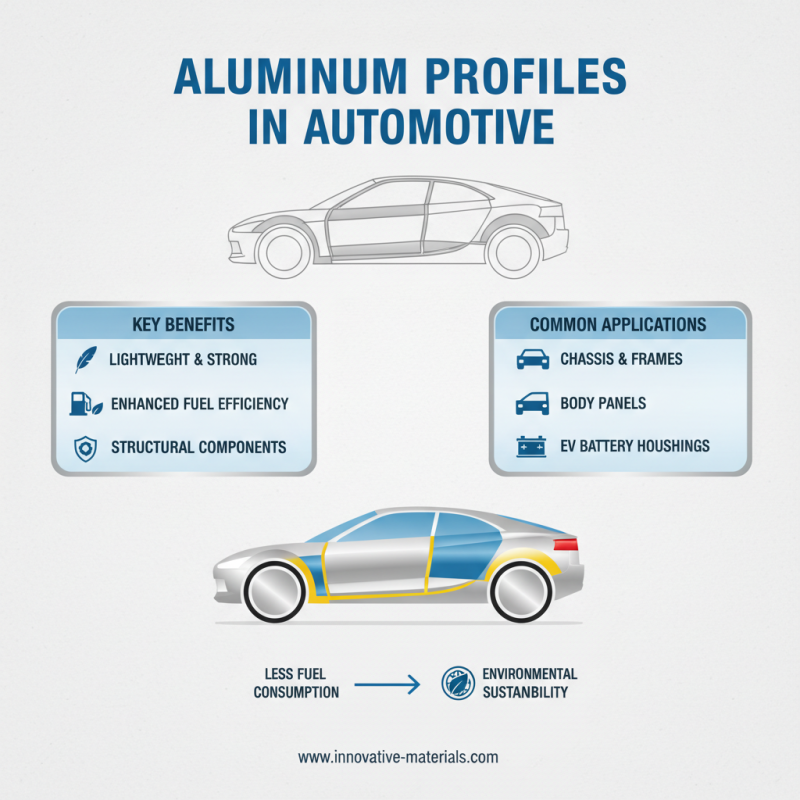
Aluminum profiles play a crucial role in the automotive industry. These profiles are lightweight yet strong, making them ideal for various vehicle components. Manufacturers use aluminum for frames, panels, and other structural parts to enhance fuel efficiency. A lighter vehicle often consumes less fuel, which is vital for environmental sustainability.
Many car designs utilize aluminum profiles creatively. For instance, the use of aluminum in suspension systems improves handling. However, challenges arise. Not all aluminum alloys achieve the desired strength or performance. Engineers must carefully select materials to ensure safety and longevity. It can lead to over-engineering in some cases, adding weight instead of reducing it.
In addition to frames, aluminum profiles feature in interior designs. They provide modern aesthetics and durability. However, the reliance on aluminum means that recycling and sustainability efforts are essential. Improper disposal can negate the environmental benefits of using aluminum. The industry continues to explore ways to mitigate these issues. Balancing innovation with sustainability is an ongoing challenge in automotive design.
Aluminum Profiles in Consumer Electronics and Appliances
Aluminum profiles have become essential in the design of consumer electronics and appliances. Their lightweight nature and durability make them ideal for various applications. In recent reports, the global aluminum profile market is projected to reach USD 50 billion by 2025. This growth highlights the industry's shift towards lightweight materials.
In consumer electronics, aluminum profiles are often used for housings and frames. These materials provide structural support while minimizing weight. The thermal conductivity of aluminum also aids in heat dissipation, enhancing device performance. However, the challenge lies in balancing aesthetic appeal with functional requirements. Many manufacturers struggle to achieve this harmony.
Tips: When selecting aluminum profiles, consider both form and function. Ensure that the chosen profiles fit within design constraints. A Window Aluminum Profile, for example, might provide a sleek look while effectively supporting electronic components.
In appliances, aluminum profiles enhance energy efficiency. They reduce the overall weight of devices, leading to lower energy consumption during transportation. Yet, the reliance on aluminum poses questions regarding sustainability. As the industry grows, there must be a focus on recyclable materials to lessen environmental impact.
Benefits of Using Aluminum Profiles in Various Industries
Aluminum profiles are versatile and lightweight materials commonly used in various industries. These profiles are extruded shapes made from aluminum, known for their high strength-to-weight ratio. One major benefit is their resistance to corrosion, making them ideal for outdoor applications. For construction and architecture, aluminum profiles can be easily molded into various shapes, allowing for creative designs. However, the production process can sometimes lead to imperfections, requiring careful selection.
In manufacturing, aluminum profiles contribute to efficiency. They are easy to assemble and can be customized to fit specific needs. Businesses appreciate their recyclability, promoting sustainability in operations. In the automotive sector, lightweight profiles enhance fuel efficiency. Yet, occasional quality inconsistencies in raw materials might pose challenges. Industries must implement stringent quality controls to ensure reliability.
Additionally, in electronics, aluminum profiles play a vital role in cooling systems. They help dissipate heat efficiently, extending equipment lifespan. However, it’s important to strike a balance between cost and performance. Some lesser-known applications include furniture design, where aluminum profiles add elegance and stability. While the benefits are numerous, continuous improvement in production is essential to ensure that they meet the evolving needs of different industries.
Future Trends and Developments in Aluminum Profile Technology
The future of aluminum profile technology looks promising. According to the Aluminum Association, the demand for aluminum profiles is expected to grow by 5% annually. This growth is driven by advancements in manufacturing processes and increasing applications across various industries. As industries look for lightweight and durable materials, aluminum profiles offer advantages that are hard to ignore.
Innovations in alloy compositions and extrusion techniques are expected to enhance performance. Researchers are exploring new Aluminum Profile Types, such as those with improved corrosion resistance. This could lead to broader applications in automotive and aerospace sectors. However, some challenges remain. Recycling practices for aluminum need improvement. The industry must find sustainable approaches to production.
Moreover, while the benefits of aluminum profiles are clear, the environmental impact of their production needs attention. As industries evolve, so must their methods. The trend towards energy-efficient processes is critical. More efficient manufacturing can reduce carbon footprints significantly. The journey towards better aluminum profiles is ongoing, and it highlights the importance of adaptive strategies.
What is an Aluminum Profile and its Applications? - Future Trends and Developments in Aluminum Profile Technology
| Application Area | Description | Future Trends |
| Construction | Used in window frames, doors, and structural components. | Increased use of recycled aluminum and smart building technologies. |
| Automotive | Frameworks, body panels, and lightweight components for efficiency. | Growing emphasis on electric vehicles and lightweight materials. |
| Aerospace | Aircraft wings, fuselage structures, and fuel systems. | Advancements in alloy development for better performance. |
| Electronics | Enclosures for devices, heat sinks, and support structures. | Integration with IoT devices and thermal management solutions. |
| Packaging | Lightweight containers and protective materials. | Sustainability through recyclable aluminum solutions. |
FAQS
: Various consumer items are common, including electronics, fashion, and home goods.
Many consider reviews, ratings, and personal experiences. Some may overlook biased sources.
Yes, issues include damaged goods, delays in shipping, and unsatisfactory customer service.
Contacting customer support is vital. Providing evidence is often necessary to resolve issues.
Discounts can entice buyers, but they may lead to impulse purchases. Reflecting on needs is important.
Yes, it helps consumers feel secure. However, some may not read the terms thoroughly.
Many companies provide clear guidelines, but some consumers still find them confusing or difficult.
Researching sellers and reading reviews help. Always be skeptical about too-good-to-be-true offers.
Social media influences trends significantly, but not all information can be trusted.
Comparing prices is crucial to finding the best deals. Yet, many forget to do so and regret later.
Conclusion
An Aluminum Profile is a versatile and lightweight structural element made from aluminum, known for its strength, durability, and resistance to corrosion. These profiles come in various shapes and sizes, produced through processes such as extrusion, which allows for tailored applications in numerous industries. Commonly used in construction, automotive, and consumer electronics, Aluminum Profiles offer innovative solutions for frameworks, casings, and supports.
The benefits of using Aluminum Profiles include their adaptability, aesthetics, and recyclability, making them an eco-friendly choice. As technology evolves, future trends in aluminum profile development are expected to focus on enhancing performance and expanding applications, positioning them as a vital component across diverse sectors.