Leave Your Message
0%

In today's super competitive market, really getting a handle on Wholesale CE Certification for Profile Aluminium is pretty important. Sadly, a lot of companies tend to overlook how vital it really is. You know, Profile Aluminium is used across a bunch of industries—think construction, automotive, you name it. And having that CE certification is kind of like a badge of trust; it proves your product meets European safety and quality standards, which is a big deal for customers.

Now, I get it—navigating all these certifications can be pretty overwhelming, especially for smaller businesses. They often miss out on best practices when it comes to their Aluminum Extrusion Profile Custom Aluminum Profile. This can lead to issues with product reliability and, honestly, can hurt their reputation.

Plus, some companies don't do a great job communicating their certification status, which can cause confusion for clients. Nobody wants to buy from a manufacturer that seems sketchy or untrustworthy, right?

Honestly, taking the time to understand Wholesale CE Certification can really pay off. It boosts your credibility and makes it easier to meet market expectations. Plus, it’s all about building those long-term relationships with customers. Skipping this step or messing it up could end up costing a lot more in the long run. So, it’s definitely worth reflecting on how your certification processes are going and always looking for ways to improve.
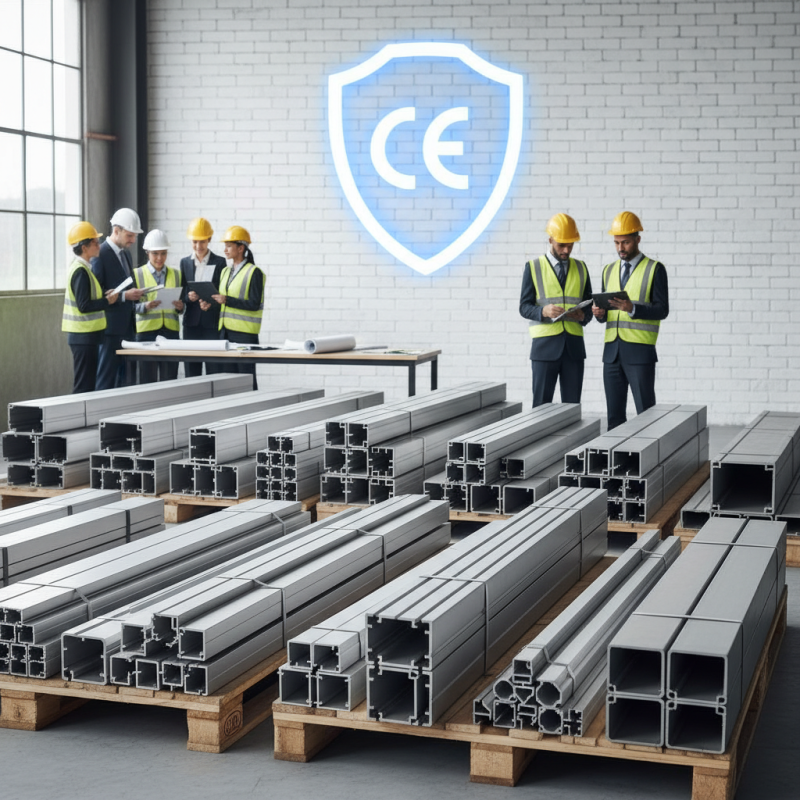
What is Wholesale CE Certification for Profile Aluminium Pricelist?

What is Wholesale CE Certification in Aluminium Profile Industry?

Wholesale CE Certification plays a critical role in the aluminium profile industry. It signifies compliance with European safety and environmental standards. This certification assures customers that the products meet stringent regulations. According to a recent industry report, about 75% of aluminium profiles exported to Europe require CE certification. This certification enhances marketability in an increasingly competitive landscape.

Understanding CE Certification is essential. It not only includes quality aspects but also performance criteria. The certification process involves rigorous testing. These tests ensure durability and safety. Manufacturers need to invest time and resources. A lack of CE certification can lead to denied entry into major markets. This can be costly.

Tips: Always verify the certification's authenticity. It can vary across different manufacturers. Engage with reputable suppliers who provide transparent documentation. Remember, not all certifications are equal. Some may look good on paper but lack real compliance. The details matter greatly in this competitive industry.

Significance of CE Certification for Profile Aluminium Products

CE certification is crucial for profile Aluminium Products. It signifies compliance with European safety, health, and environmental requirements. In 2021, the aluminium market in Europe was valued at approximately $35 billion. This figure reflects a robust demand for certified products, which increases confidence in their quality.

The significance of CE certification lies in quality assurance. Products that hold this certification undergo rigorous testing. A recent report by the European Aluminium Association found that over 80% of consumers prefer certified products. This preference drives sales and enhances market value. However, achieving certification can be challenging. Many manufacturers struggle with technical documentation.

Furthermore, CE certification opens doors to international markets. It allows for easier entry into countries that recognize these standards. The demand for certified aluminium is rising globally. Yet, manufacturers often face hurdles in meeting certification requirements. Balancing quality control and production speed remains a concern. Without proper attention to this, businesses might risk losing market share.

Wholesale CE Certification for Profile Aluminium Products

This chart illustrates the certification status of profile aluminium products, highlighting that 75% of products have obtained CE certification, while 25% remain uncertified. CE certification is vital for ensuring compliance with European standards, enhancing marketability and consumer trust.

Key Requirements for Attaining CE Certification in Aluminium Profiles

CE certification is crucial for manufacturers of Profile Aluminium products. It ensures that these products meet essential safety and environmental standards. To attain CE certification, certain requirements must be fulfilled.

First, a thorough analysis of the materials used in Profile Aluminium is necessary. Manufacturers should conduct tests to ensure that the aluminium meets the specified standards. This includes checking for mechanical properties, chemical composition, and surface treatment. Additionally, documenting each test is vital. This record can serve as proof during the certification process.

Tips: Always stay updated with the latest regulations. Testing methods can change. Regular training for your team can help clarify the requirements.

Moreover, a risk assessment must be part of the certification process. Identify potential hazards associated with the Profile Aluminium. It’s essential to address any shortcomings before certification. Engaging with experienced consultants can reveal flaws in your approach. Gathering feedback is an invaluable step.

Tips: Label your products accurately. Misleading labels can lead to compliance issues. Ensure all data is clear and precise for auditors.

Impact of CE Certification on Wholesale Pricing Strategies

What is Wholesale CE Certification for Profile Aluminium Pricelist?

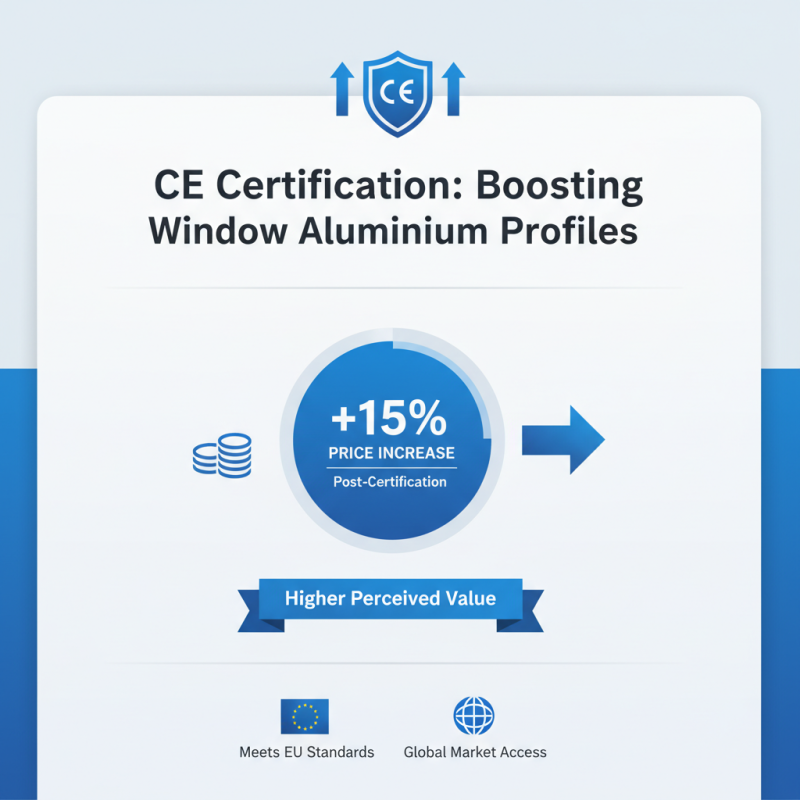
CE certification significantly influences wholesale pricing strategies for products like Window Aluminium Profiles. This certification ensures that products meet EU standards. A study by the European Commission indicates that companies can see a price increase of up to 15% after obtaining CE certification. This reflects higher perceived value among buyers.

Market dynamics also play a critical role. Wholesalers can adjust prices based on the added compliance costs of certification. In some cases, if many competitors have CE certification, firms may be forced to follow suit, impacting their pricing models. A report from the International Aluminium Institute suggests that around 25% of aluminium producers report increased operational costs due to compliance.

Thus, the relationship between CE certification and pricing is complex. While it can enhance product credibility, it also forces businesses to rethink their pricing strategies. As a result, inconsistent certification processes can lead to price volatility in the wholesale market. This inconsistency requires careful consideration and reflection from businesses on how to balance costs and competitiveness in the marketplace for Window Aluminium Profiles.

Market Trends: Demand for CE-Certified Aluminium Profiles

The demand for CE-certified aluminium profiles is growing rapidly. Industries recognize the importance of quality and safety. Buyers are more informed now. They want assurance that materials meet stringent standards. CE certification is a mark of reliability. It indicates that products comply with EU regulations. Many construction and manufacturing sectors prefer these certified profiles.

Investing in Profile L Aluminium can be beneficial if carefully considered. The market is competitive, and prices vary widely. Buyers need to analyze pricelists from different suppliers. They can look for transparency in costs. Some suppliers may hide fees. Understanding the full price structure is essential. Customers must also evaluate the quality of the aluminium. Not all CE certifications are equal. Some may lack thorough testing.

Market trends indicate a shift in consumer behavior. People are increasingly prioritizing sustainability. They prefer products with minimal environmental impact. CE-certified aluminium profiles often embody these principles. However, companies offering these products must ensure they deliver on their promises. There may be inconsistencies in supply chains. Achieving genuine certification can be challenging. The focus must remain on quality and compliance for lasting success.

What is Wholesale CE Certification for Profile Aluminium Pricelist? - Market Trends: Demand for CE-Certified Aluminium Profiles

Profile Type CE Certification Status Price per kg ($) Market Demand Index 2024 Projected Growth (%)
Standard Flat Bar Certified 3.50 High 10%
Round Tube Certified 4.20 Medium 8%
Rectangle Hollow Uncertified 3.00 Low 5%
I-Beam Certified 5.00 High 12%
C-Channel Certified 4.50 Medium 7%

Compliance Costs Associated with CE Certification in Aluminium Industry

The process of obtaining CE certification for Aluminium products, particularly Aluminium T Slot Profile, can be quite complex. Companies must navigate different compliance costs. These costs can vary based on the type of product and its intended use. Certification ensures that products meet safety and performance standards. However, many manufacturers may overlook these details, leading to potential financial pitfalls.

Hidden expenses often arise throughout the certification process. For instance, testing fees can quickly accumulate. Companies may also face costs related to documentation and administrative efforts. Without a thorough understanding, businesses may underestimate these expenses. This lack of foresight can result in budget overruns and project delays.

Moreover, maintaining compliance is an ongoing endeavor. Regular audits and re-certifications add to the financial commitment. This recurring cost is sometimes neglected in initial budgets. As a result, manufacturers could find themselves unprepared when new regulations emerge. Investing time in understanding these compliance costs is essential, especially in the competitive aluminium market.

Case Studies of Successful CE Certification for Aluminium Suppliers

What is Wholesale CE Certification for Profile Aluminium Pricelist?

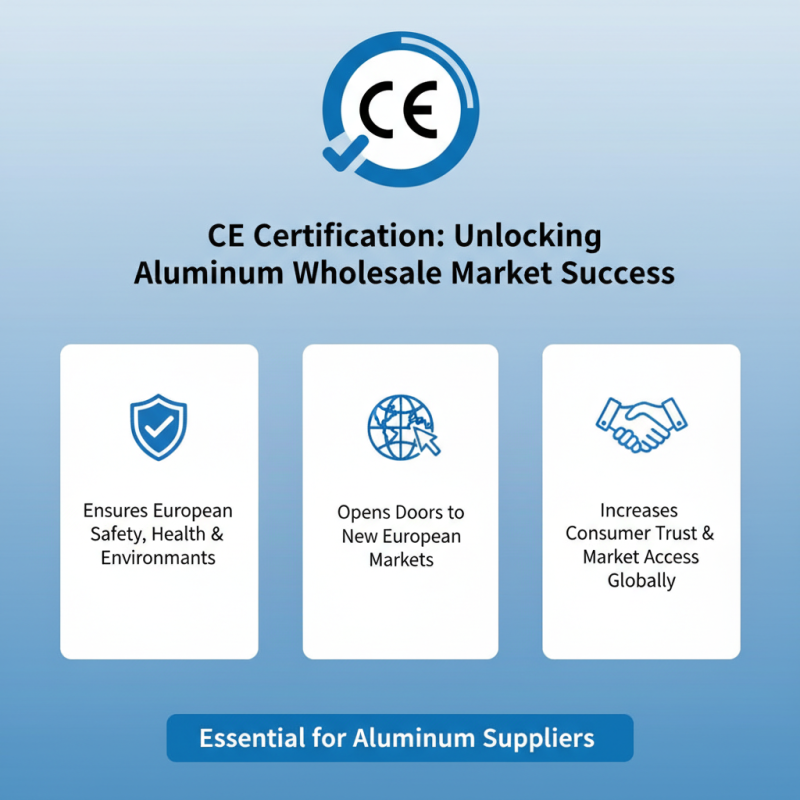
CE certification is essential for aluminium suppliers aiming for success in the wholesale market. This certification ensures that products meet European safety, health, and environmental protection standards. For aluminium suppliers, achieving CE certification can open doors to new markets and increase consumer trust.

Several case studies reveal interesting insights. One aluminium supplier faced challenges with documentation and design. The process took longer than anticipated, which frustrated their team. However, they learned to streamline their quality assurance processes. This experience ultimately improved their product design and quality checks.

Another supplier dealt with unexpected costs during the certification process. They invested heavily in testing and resources to meet compliance requirements. While it was initially a setback, in the end, their commitment led to better products. This supplier now enjoys a more competitive edge and a solid reputation in the market. Such experiences highlight common challenges and the potential for growth through the CE certification journey.

FAQS

: What is the main focus of the articles?

: The articles discuss various consumer products and their environmental impact.

How do these products affect the environment?

Many products contribute to pollution and waste. They often use non-biodegradable materials.

Are there any alternatives to these products?

Yes, there are eco-friendly options available. These are made from sustainable materials.

What should consumers consider when purchasing?

Look for certifications indicating sustainability. Assess the packaging and the product lifecycle.

Why is it important to reduce waste?

Reducing waste helps decrease pollution. It also conserves natural resources essential for future generations.

How can individuals contribute to positive change?

Individuals can choose to buy less and recycle more. They can also support local businesses.

Are there negative sides to switching to eco-friendly products?

Sometimes, eco-friendly products can be more expensive. They may also have limited availability.

What are common misconceptions about eco-friendly products?

Some believe they do not perform as well. However, many eco-friendly options are effective and reliable.

How often should consumers seek to reassess their choices?

It is good to reassess choices periodically. New products and information frequently emerge.

What impact can collective consumer choices have?

Collective choices can drive demand for more sustainable options. This can lead to broader industry changes.

Conclusion

Wholesale CE certification is a crucial component in the profile aluminium industry, ensuring products meet European safety and performance standards. The significance of obtaining CE certification lies in its ability to enhance product credibility, thereby boosting consumer confidence and marketability. Key requirements for achieving this certification typically involve thorough testing and documentation of compliance with specific EU directives, making it essential for suppliers to navigate the regulatory landscape effectively.

Moreover, CE certification impacts wholesale pricing strategies, as certified products often command higher prices due to their perceived quality and compliance assurance. As market trends show a growing demand for CE-certified profile aluminium products, suppliers who successfully navigate the compliance costs can position themselves competitively. Case studies illustrate that strategic investment in CE certification not only enhances product visibility but also promotes long-term business growth in this sector.
Clara

Clara

Clara is a dedicated marketing professional at Foshan Yi Aluminum Materials Co., Ltd., where her expertise in the aluminum industry shines through. With a deep understanding of the company’s core business, Clara excels in promoting a wide range of high-quality aluminum products that cater to......
Previous Discover the Advantages of Extruded Aluminum for Global Suppliers