Hey there! So, if you're in the market for top-notch Aluminum Profiles, it’s super important to wrap your head aroundAluminum Thermal conductivity. You see, as more buyers globally are on the hunt for high-performance materials, knowing this stuff really matters. Reports show that aluminum's thermal conductivity falls between 205 and 235 W/m·K, which is pretty impressive and makes it one of the best metals out there for managing heat in all sorts of settings—from buildings to electrical systems.
Now, let me tell you a bit about us at Foshan City One Alu Aluminum Co., Ltd. With over 19 years in the aluminum profile game, we've got quite the range of products. We’re talking door and window profiles, kitchen cabinets, roller shutters, and even curtain walls! Our focus on quality and performance has opened doors for us to export to over over 50 countries worldwide, which is pretty cool, right? It means we’re ready to tackle a variety of needs while making the most of aluminum’s amazing thermal qualities. So, if you’re hunting for a solid supplier, make sure to keep these factors in mind to get the best bang for your buck with aluminum solutions.
Understanding Aluminum Thermal Conductivity: Key Measures and Standards
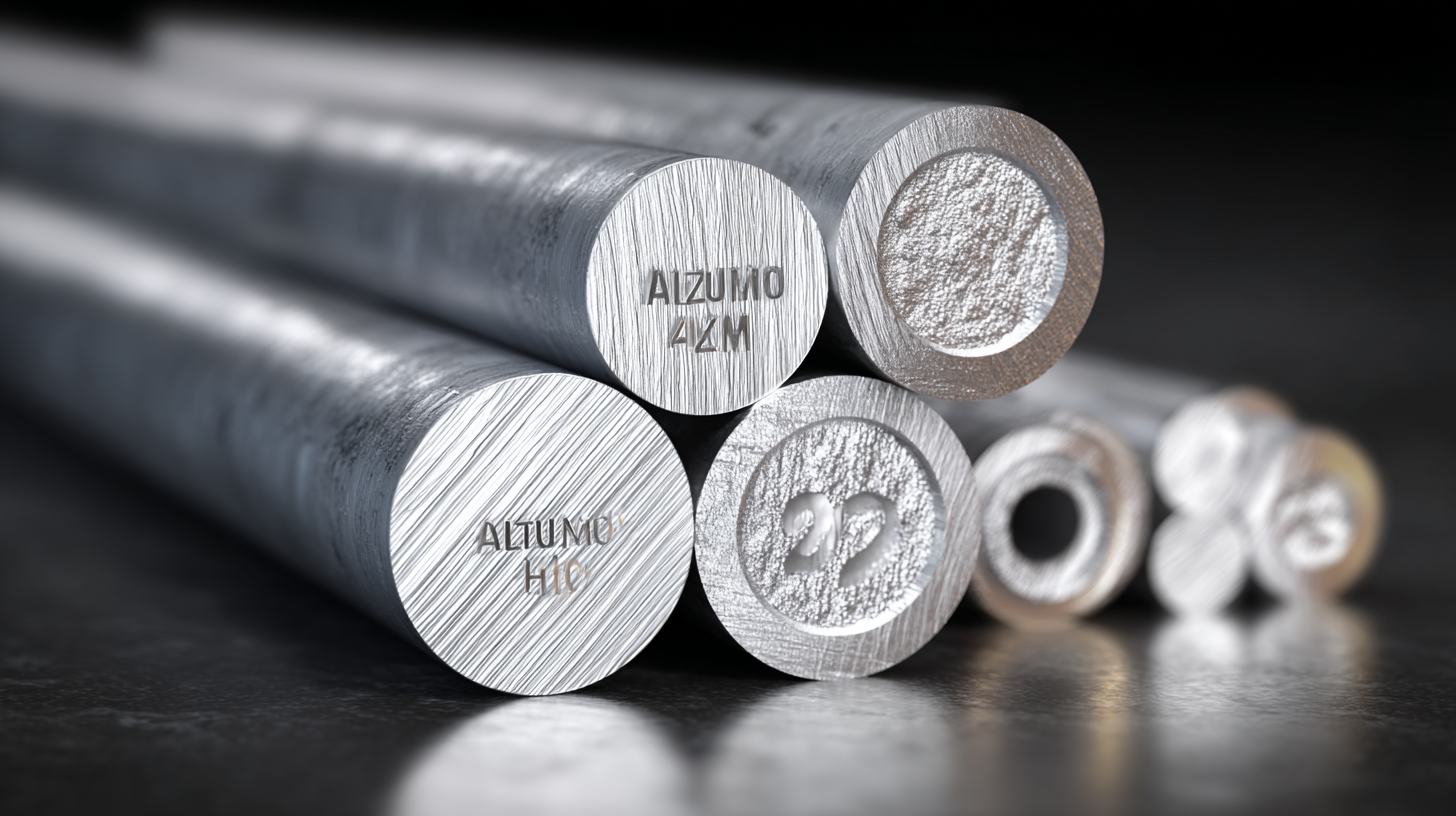
Alright, so when it comes to aluminum's thermal conductivity, there's a lot to unpack, especially for manufacturers and global buyers trying to get the most out of their products in terms of performance and efficiency. You see, thermal conductivity is all about how well a material can conduct heat, which is super important in fields like aerospace and electronics. For aluminum specifically, we measure this in w Watts per meter-kelvin (W/m·K). If you know these numbers, you can pick the right aluminum alloys for whatever application you have in mind, ensuring you're getting the best performance while keeping energy use in check.
But that’s not all! It’s really important to stick to industry standards if you want to keep quality and consistency in aluminum production. Guidelines like IEC and ASTM standards offer some critical benchmarks for thermal conductivity. This way, you can easily compare different aluminum grades and confirm they actually meet the necessary specs. It’s definitely a good idea to team up with suppliers who can provide materials certification because that builds trust and guarantees that the aluminum is up to snuff in terms of thermal performance. By staying in line with these important measures and standards, global buyers can make smarter choices, boosting their products’ efficiency and reliability.
Importance of Quality in Aluminum Production: Ensuring Global Competitiveness
When it comes to aluminum production, standing out in the crowd is no small feat, right? Quality is key! If producers really want to make their mark globally, they have to be super picky about the raw materials they choose and stay ahead of the game with the latest technology in the production process. After all, high-quality aluminum does more than just look good; it boosts thermal conductivity and is reliable across a bunch of uses—from electronics to aerospace and everything in between.
So, let’s talk about some tips for those of you looking to get the most out of aluminum's thermal conductivity. First off, it’s a no-brainer: go with reputable suppliers who really keep their quality control in check. That way, you can be confident that each batch of aluminum hits the mark. And don’t forget to look closely at how it's made—using advanced methods like extrusion and forging can really amp up the metal’s thermal performance.
Another tip to keep in mind? Get familiar with the different alloys and how they affect thermal properties. Aluminum isn’t one-size-fits-all; various grades can give you different levels of conductivity. So, teaming up with experts who understand this stuff can lead you to pick the perfect alloy for your specific needs. By focusing on quality at every step—both in production and when sourcing—you’re not just ensuring top-notch thermal conductivity; you’re also bolstering your company’s reputation on the global stage.
Exploring the Role of Alloy Composition in Enhancing Thermal Conductivity
You know, when we talk about aluminum's thermal conductivity, we really can’t ignore the alloy composition—it really makes a difference! I came across this report from the Aluminum Association that states pure aluminum has a thermal conductivity of about 237 W/m·K. But here’s the kicker: that number can change quite a bit depending on what alloying elements are mixed in with the base aluminum. For example, if you throw in some copper or silicon, those can actually boost certain thermal properties. On the flip side, adding things like magnesium or zinc, even though they’re great for strength and resisting corrosion, might actually lower the conductivity.
Lately, there’s been some fascinating research showing that getting the right mix of these elements can lead to some pretty significant upgrades in thermal performance. Take 6061 aluminum, for instance. It's super popular in automotive and aerospace industries, and it shows a thermal conductivity of around 161 W/m·K. That's a noticeable step up when you compare it to the 7075 alloy, which hangs around the 130 W/m·K mark. These kinds of differences really underscore the importance for global buyers to look closely at alloy compositions. It’s not just about mechanical strength or keeping the weight down; it's also about making sure the thermal management needs are on point. Grasping these little details in how we select alloys can really optimize thermal applications in all sorts of fields.
7 Essential Tips to Maximize Best Aluminum Thermal Conductivity for Global Buyers - Exploring the Role of Alloy Composition in Enhancing Thermal Conductivity
| Alloy Type | Thermal Conductivity (W/m·K) | Aluminum Content (%) | Application | Additional Properties |
| 6061 | 150 | 97.9 | Structural Applications | Good corrosion resistance |
| 1050 | 235 | 99.5 | Electrical Conductors | Excellent ductility |
| 2024 | 120 | 90.7 | Aerospace Components | High strength |
| 6063 | 152 | 97.2 | Architectural Applications | Good extrudability |
| 7075 | 130 | 90.0 | High-end Military | Very high strength |
Global Trends: The Demand for Aluminum in Heat Exchanger Applications
You know, the aluminum market is really hitting its stride right now, especially when it comes to heat exchangers. This boom is largely fueled by the growing demand in HVAC systems and those renewable energy storage setups we keep hearing about. If you look at some recent industry reports, it seems the microchannel heat exchanger market is all set for some serious growth. It's pretty much because of our increasing need for high thermal efficiency in both cooling and heating applications. Aluminium is often the go-to choice here, thanks to its fantastic thermal conductivity, which makes it a favorite for things like evaporators and condensers.
If you’re looking to jump on this exciting market momentum, here are a few tips for global buyers. First off, think about optimizing the design of aluminum parts so they not only perform better thermally but are also lighter. And definitely, make sure to choose suppliers who can provide top-notch aluminum profiles and accessories — after all, this market is expected to hit a whopping USD 56.35 billion by 2030, so demand is looking strong! Lastly, keeping up with the latest manufacturing techniques can really give aluminum’s efficiency a boost, helping the whole industry shift towards energy-efficient solutions.
The ongoing push for sustainable energy storage continues to reshape the aluminum sector, emphasizing how crucial it is to develop products that align with our ecological goals. As we move forward, the connection between aluminum's thermal traits and how it’s used in renewable energy systems will be key to tackling those big energy challenges we’re all facing.
Global Trends in Aluminum Demand for Heat Exchanger Applications
Testing Methods for Evaluating Aluminum Thermal Conductivity Effectiveness
Let’s talk about aluminum thermal conductivity, shall we? If you’re a global buyer trying to get the most out of your materials, you really need to nail down some effective testing methods. Recent studies, like this one comparing those cool porous wavy metallic fins made of aluminum, really drive home the importance of having solid testing protocols in place. They’re using the RKF method along with Darcy’s law to check out thermal performance when things get dehumidified. It’s pretty fascinating how tweaks in material design can give thermal conductivity a real boost.
Now, if you’re on the hunt for top-notch aluminum materials, here are some handy tips to keep in mind: First off, don’t hesitate to tap into advanced testing methods like machine learning data analysis. It’s a game changer for speeding up alloy design by quickly sifting through thermal properties. Take, for example, how experimenting with different correlations can ramp up thermal conductivity, especially when it comes to sand-based thermal energy storage systems they’ve recently evaluated.
And hey, always make sure to compare the performance of different coatings or treatments. Recent digs into hybrid nanoparticles have shown some pretty promising results in heat transfer fluids. Who knew your formulation choices could seriously impact thermal efficiency?
So, keep these tips in your back pocket! By focusing on solid testing methods, global buyers can make smarter choices that really amp up the thermal conductivity of aluminum products. Trust me, it can make a world of difference in all sorts of applications.

Best Practices for Selecting High-Conductivity Aluminum Products for Export
When you're picking aluminum products with high conductivity for export, it’s super important to keep an eye on the newest innovations in aluminum and its composites. Recently, we've seen some exciting advancements, especially with aluminum-based silicon carbide composites that offer big leaps in thermal conductivity. One cool method to achieve this is through post-oxidization, which really helps fine-tune the microstructure and amps up performance for all sorts of applications—especially in those tough heat management situations.
Plus, have you heard about these hybrid materials that mix aluminum with other conductive elements like copper? They hold a lot of promise for better electrical and thermal conductivities. This sort of setup not only boosts overall performance but also hits specific needs in areas like electronics and energy storage. And let's not forget those advanced aluminum alloys, like the Al-3.3Cu-2.5Mn-0.5Zr alloy made through electromagnetic casting—these really show how critical it is to choose carefully when manufacturing high-performance products.
By sticking to these best practices, global buyers can snag aluminum products that really live up to those tough performance standards, which in turn means more efficiency and reliability in whatever projects they’re working on.
Transform Your Space: The Benefits of Aluminum Honeycomb Panels for Interior Renovation and Construction
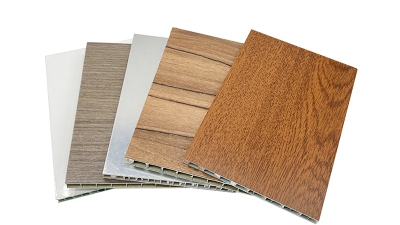
Transforming your space begins with selecting the right materials, and aluminum honeycomb panels stand out as a premier choice for interior renovation and construction. These panels, constructed with two aluminum sheets enclosing a honeycomb core, integrate innovative design with impressive functionality. Their lightweight yet robust structure leads to outstanding impact resistance and excellent thermal and sound insulation properties, making them ideal for diverse applications including wall cladding, ceilings, and furniture decoration.
According to recent industry reports, the demand for eco-friendly and sustainable building materials is on the rise. Aluminum honeycomb panels are fully recyclable, aligning with global trends toward sustainability in construction. The panels not only contribute to energy efficiency by providing superior thermal insulation, but they also enhance indoor acoustics, creating quieter environments. Furthermore, their fireproof and waterproof characteristics make them a safe choice for any renovation project, ensuring longevity and durability in various settings.
Customization options further enhance the appeal of aluminum honeycomb panels; standard sizes are readily available, but thickness and color can be tailored to meet specific design needs. This flexibility makes them suitable for various sectors, from architectural design to transportation. With their advanced properties and aesthetic versatility, aluminum honeycomb panels are increasingly regarded as the go-to solution for modern interior spaces, setting a new standard in both form and function.
FAQS
: Quality is paramount in aluminum production as it enhances thermal conductivity and ensures reliability across various applications, such as electronics and aerospace.
Buyers should opt for reputable suppliers who maintain rigorous quality control standards to ensure that every batch of aluminum meets necessary specifications.
Utilizing advanced manufacturing techniques like extrusion and forging can significantly improve aluminum's thermal performance.
Different alloy compositions yield varying levels of thermal conductivity, so understanding them helps buyers select the right alloy for specific applications.
The demand for high thermal efficiency in HVAC systems and renewable energy storage technologies is fueling significant growth in the aluminum market, particularly for microchannel heat exchangers.
Companies should optimize the design to enhance thermal performance while minimizing weight, prioritize suppliers of high-quality aluminum profiles, and stay updated on innovative manufacturing techniques.
The aluminum industry is evolving to develop products that align with ecological objectives, which is crucial for addressing global energy challenges.
Advanced testing methods, such as machine learning data analysis, and rigorous testing protocols are essential for assessing and improving the thermal performance of aluminum materials.
Investigations into different coatings or treatments, including hybrid nanoparticles, can lead to promising improvements in heat transfer fluids, thereby enhancing thermal efficiency based on formulation choices.
The market for aluminum in heat exchanger applications is projected to reach USD 56.35 billion by 2030, indicating robust demand.